Jee Justin, Rasouly Aviram, Shamovsky Ilya, Akivis Yonatan, Steinman Susan R, Mishra Bud, Nudler Evgeny
Nature. 2016 Jun 30;534(7609):693-6. doi: 10.1038/nature18313. Epub 2016 Jun 22.
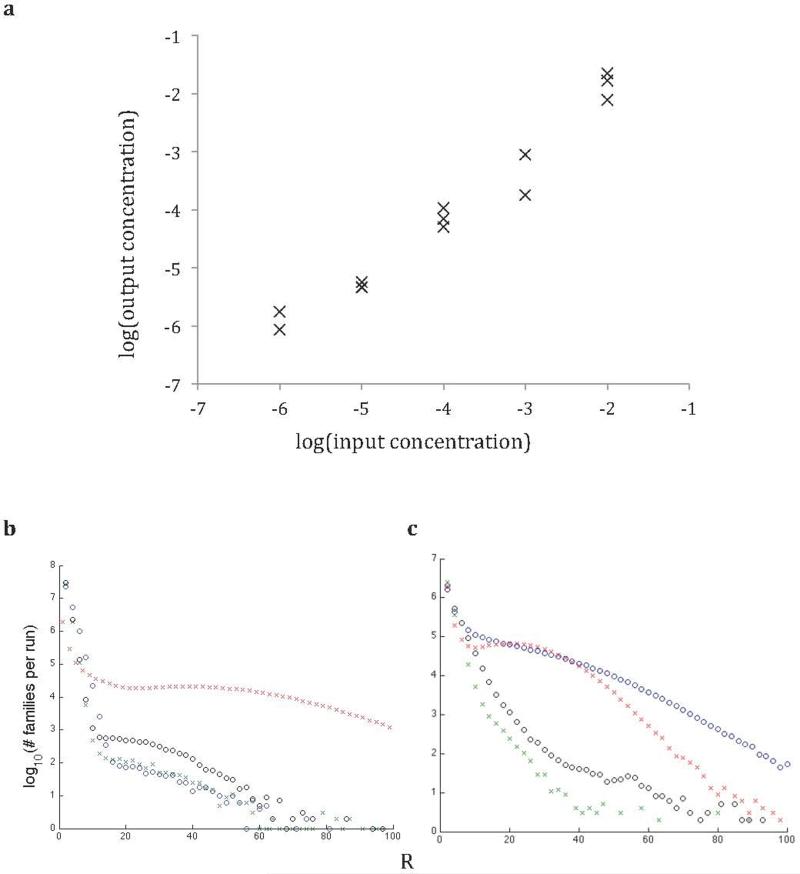
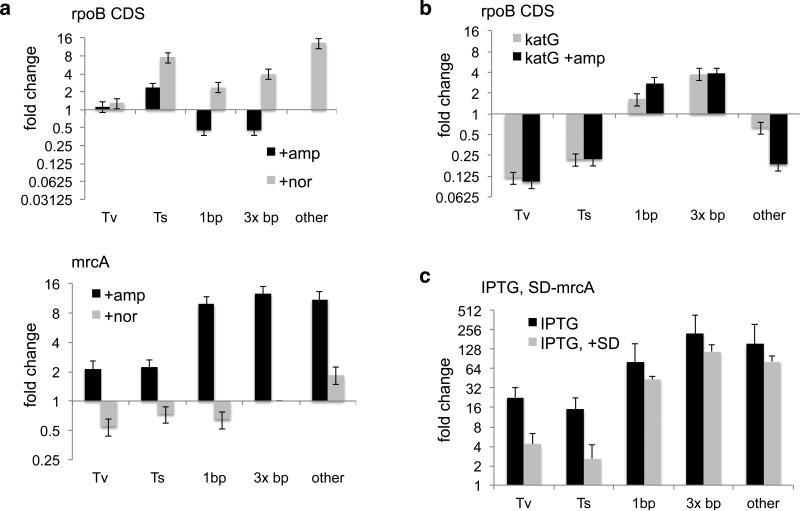
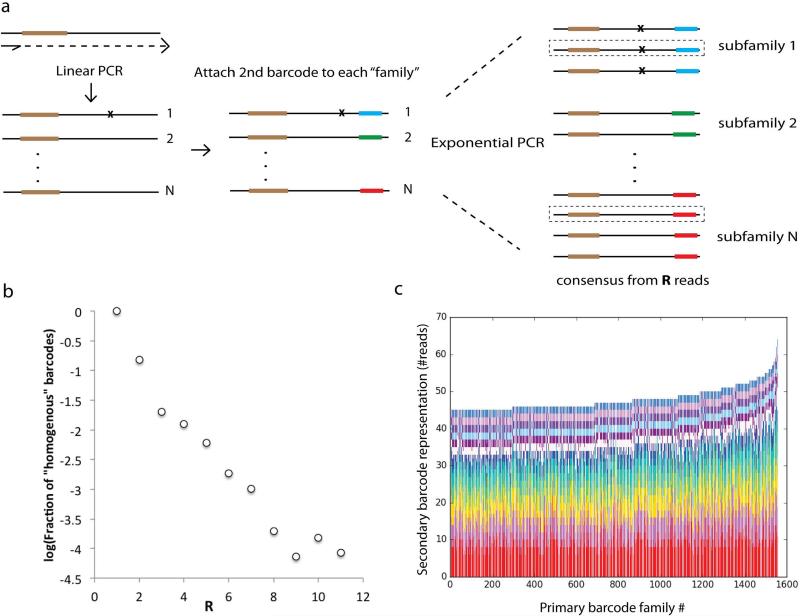
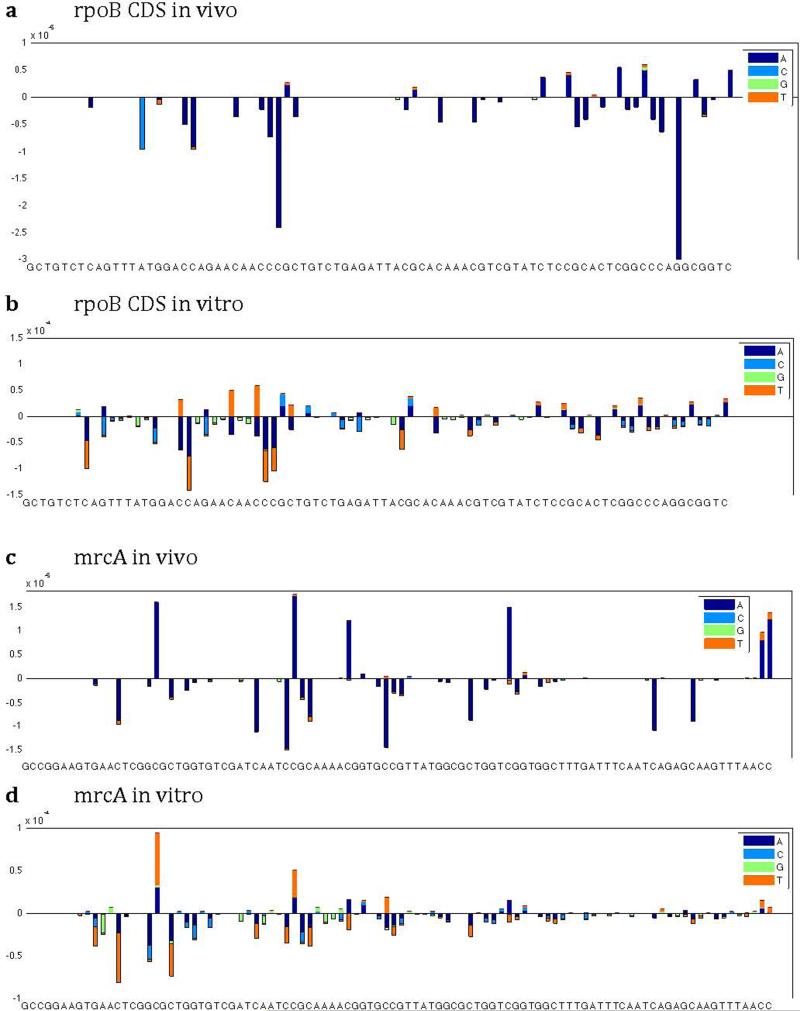
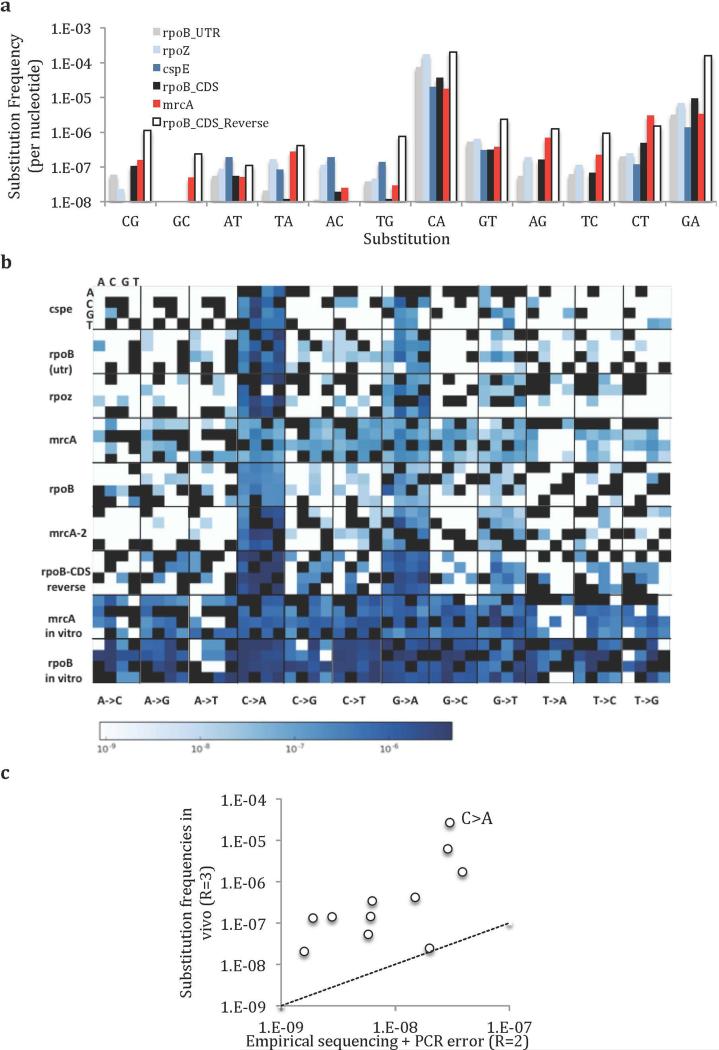
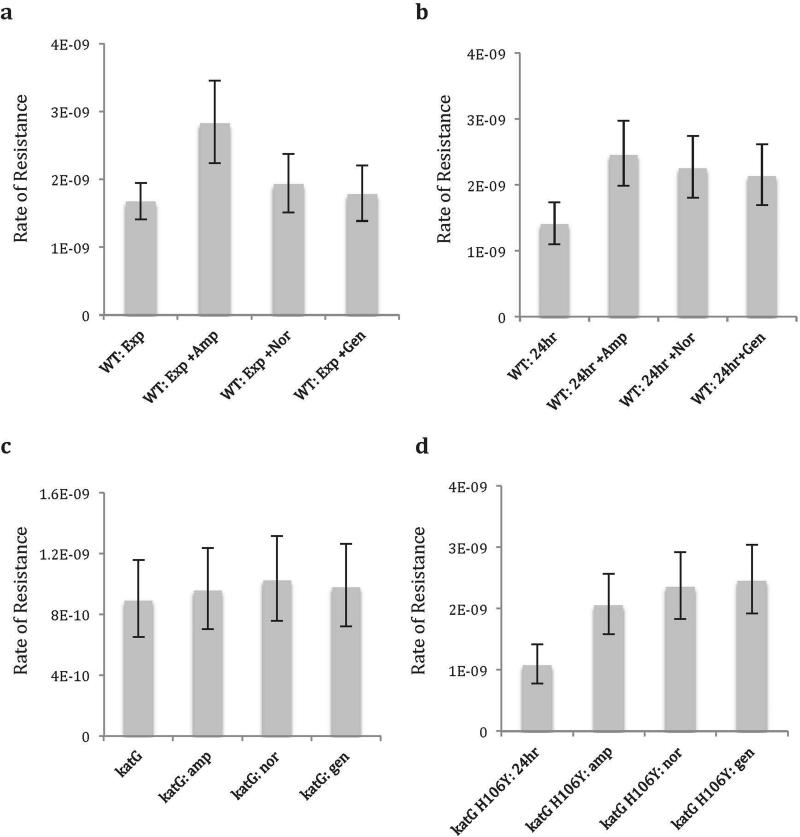
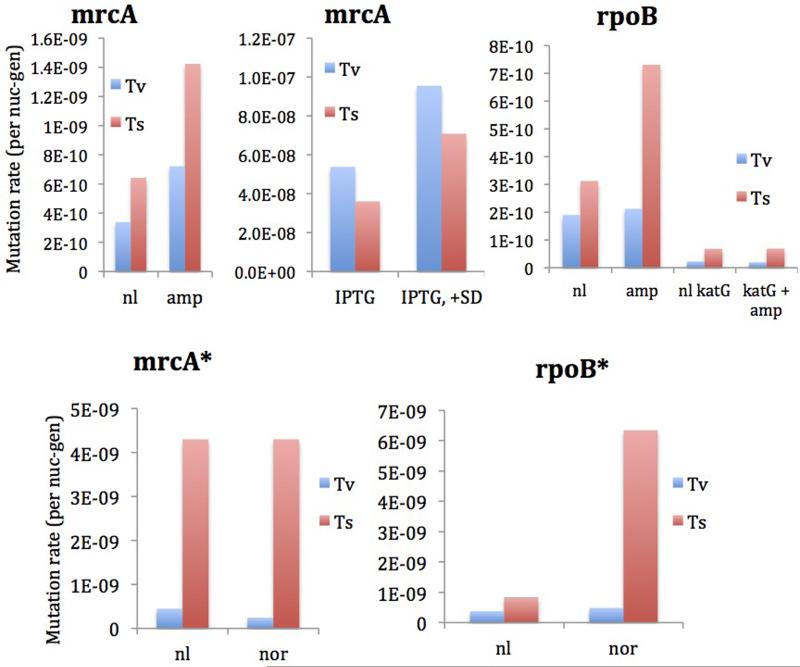
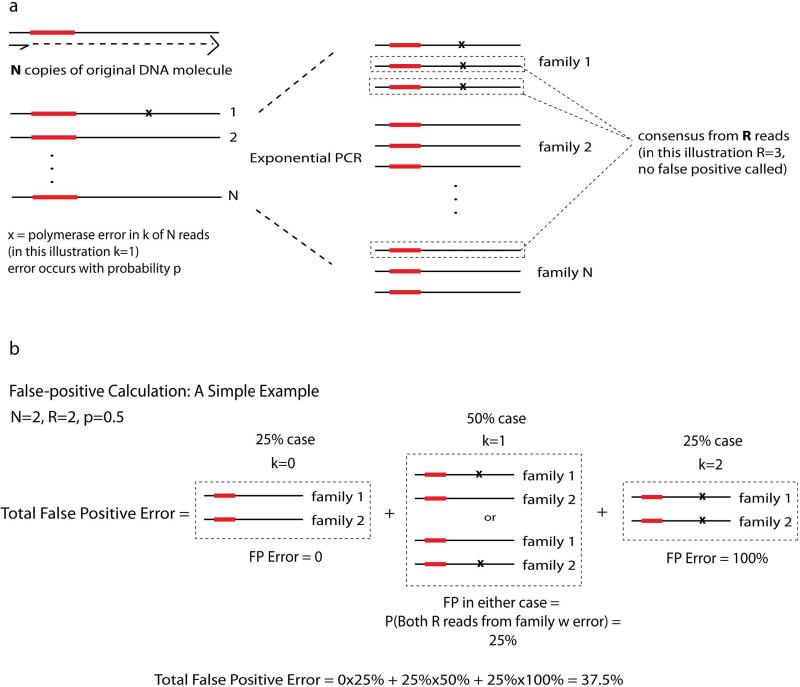
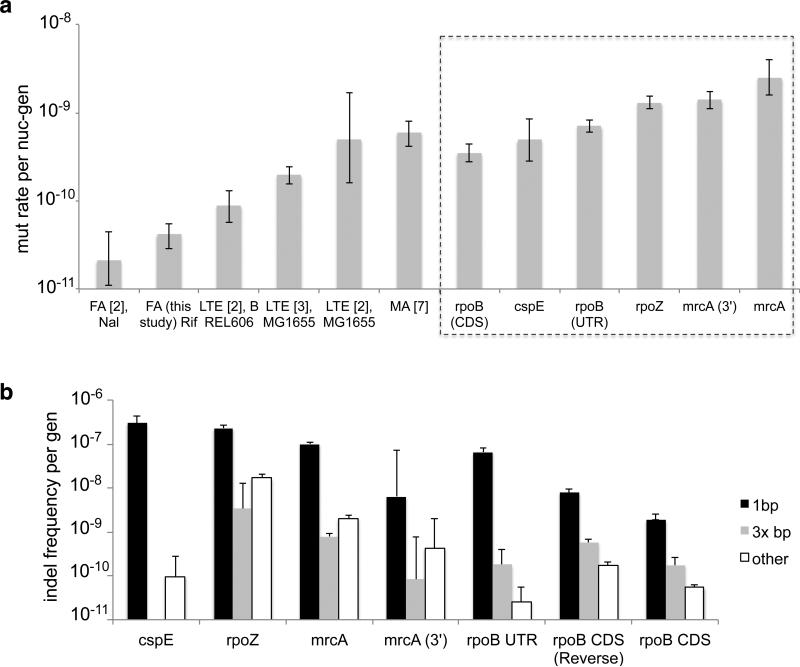
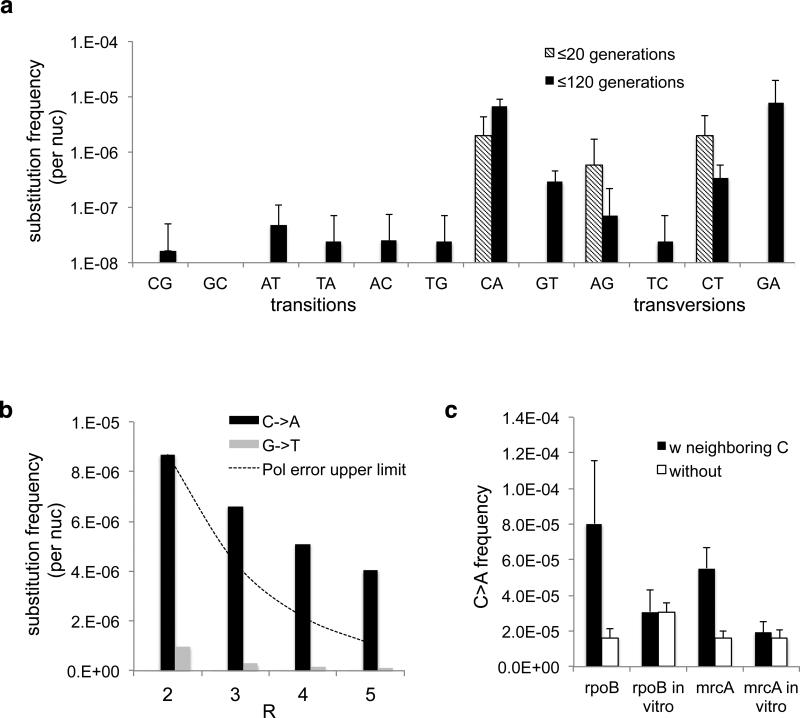
In 1943, Luria and Delbrück used a phage-resistance assay to establish spontaneous mutation as a driving force of microbial diversity. Mutation rates are still studied using such assays, but these can only be used to examine the small minority of mutations conferring survival in a particular condition. Newer approaches, such as long-term evolution followed by whole-genome sequencing, may be skewed by mutational ‘hot’ or ‘cold’ spots. Both approaches are affected by numerous caveats. Here we devise a method, maximum-depth sequencing (MDS), to detect extremely rare variants in a population of cells through error-corrected, high-throughput sequencing. We directly measure locus-specific mutation rates in Escherichia coli and show that they vary across the genome by at least an order of magnitude. Our data suggest that certain types of nucleotide misincorporation occur 10(4)-fold more frequently than the basal rate of mutations, but are repaired in vivo. Our data also suggest specific mechanisms of antibiotic-induced mutagenesis, including downregulation of mismatch repair via oxidative stress, transcription–replication conflicts, and, in the case of fluoroquinolones, direct damage to DNA.
1943年,卢里亚和德尔布吕克利用噬菌体抗性测定法确定自发突变是微生物多样性的驱动力。目前仍使用此类测定法研究突变率,但这些方法仅能用于检测在特定条件下赋予生存能力的极少数突变。较新的方法,如长期进化后进行全基因组测序,可能会因突变“热点”或“冷点”而产生偏差。这两种方法都受到诸多限制。在此,我们设计了一种方法,即最大深度测序(MDS),通过纠错的高通量测序来检测细胞群体中的极罕见变异。我们直接测量了大肠杆菌中特定基因座的突变率,结果表明它们在全基因组中的变化至少相差一个数量级。我们的数据表明,某些类型的核苷酸错配发生频率比基础突变率高10⁴倍,但在体内会被修复。我们的数据还揭示了抗生素诱导诱变的具体机制,包括通过氧化应激下调错配修复、转录 - 复制冲突,以及就氟喹诺酮类药物而言,对DNA的直接损伤。