Wang Rui-Hong, Zhao Tingrui, Cui Kairong, Hu Gangqing, Chen Qiang, Chen Weiping, Wang Xin-Wei, Soto-Gutierrez Alejandro, Zhao Keji, Deng Chu-Xia
Faculty of Health Sciences, University of Macau, Macau SAR, China.
Genetics of Development and Disease Branch, National Institute of Diabetes and Digestive and Kidney Diseases, National Institutes of Health, Bethesda, MD 20892, USA.
Sci Rep. 2016 Jun 27;6:28633. doi: 10.1038/srep28633.
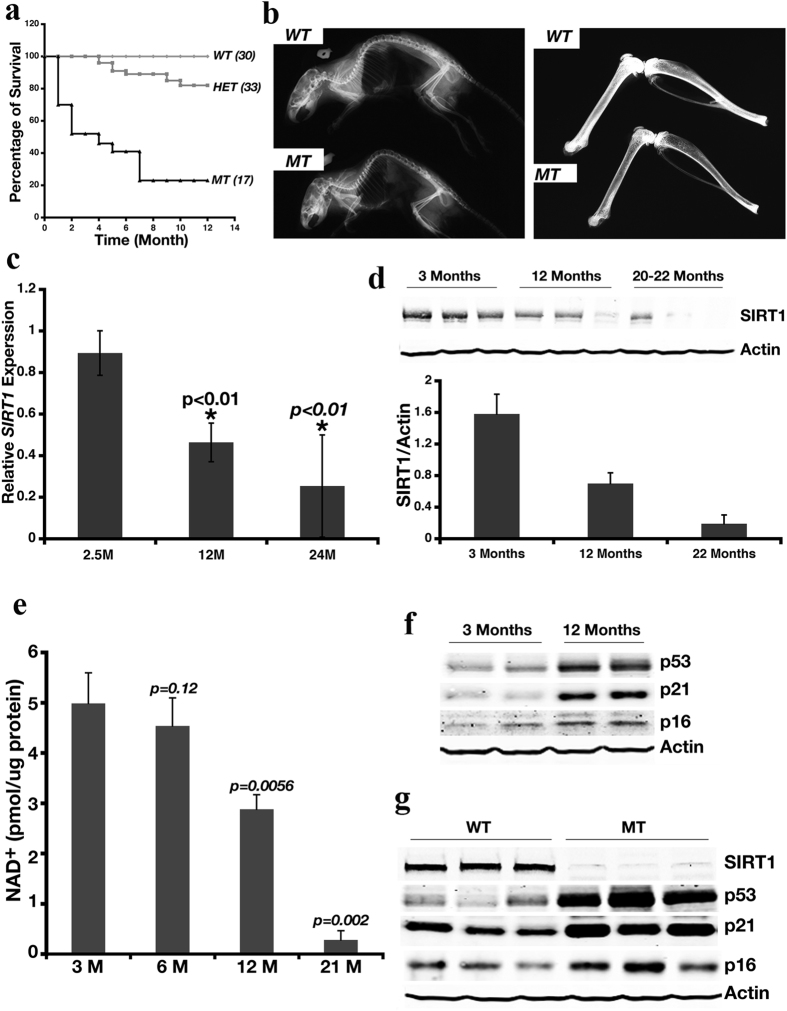
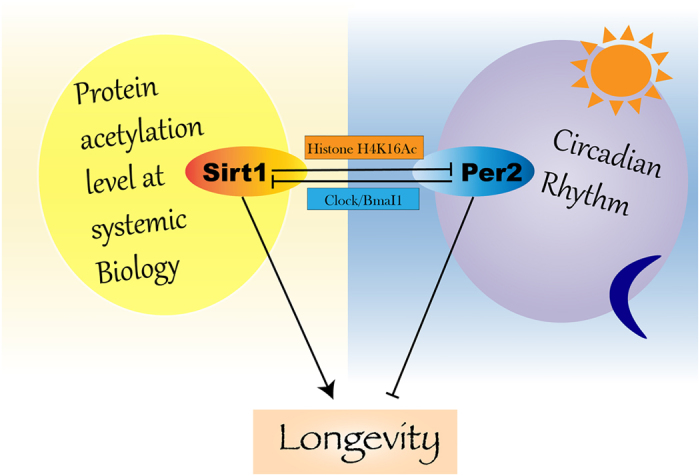
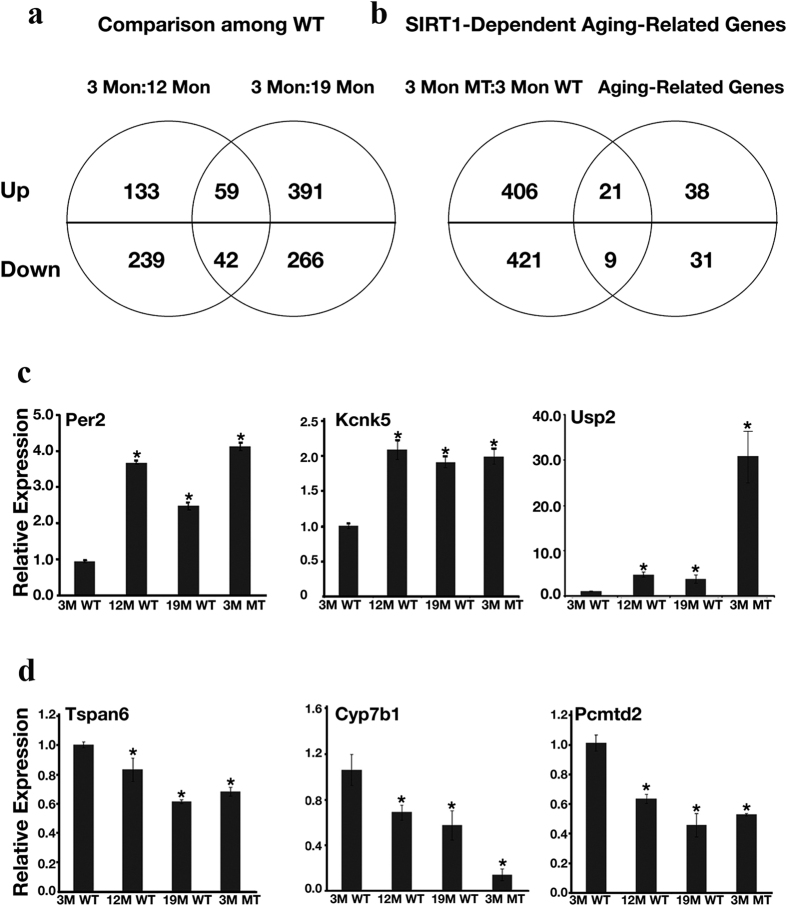
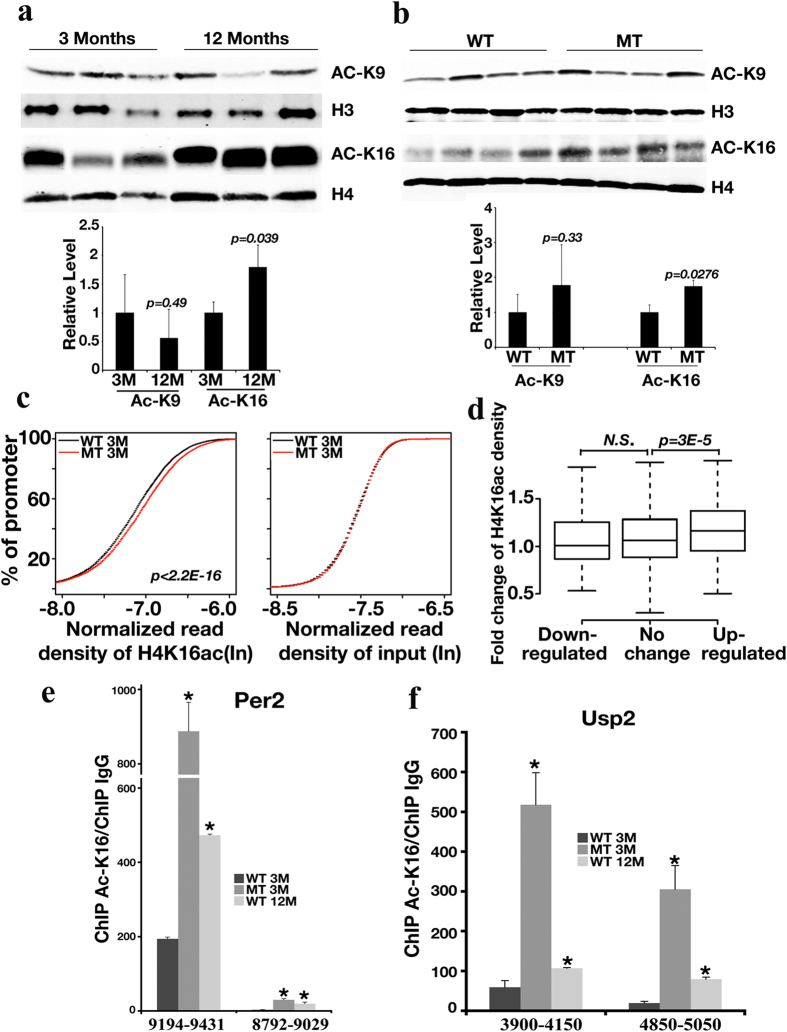
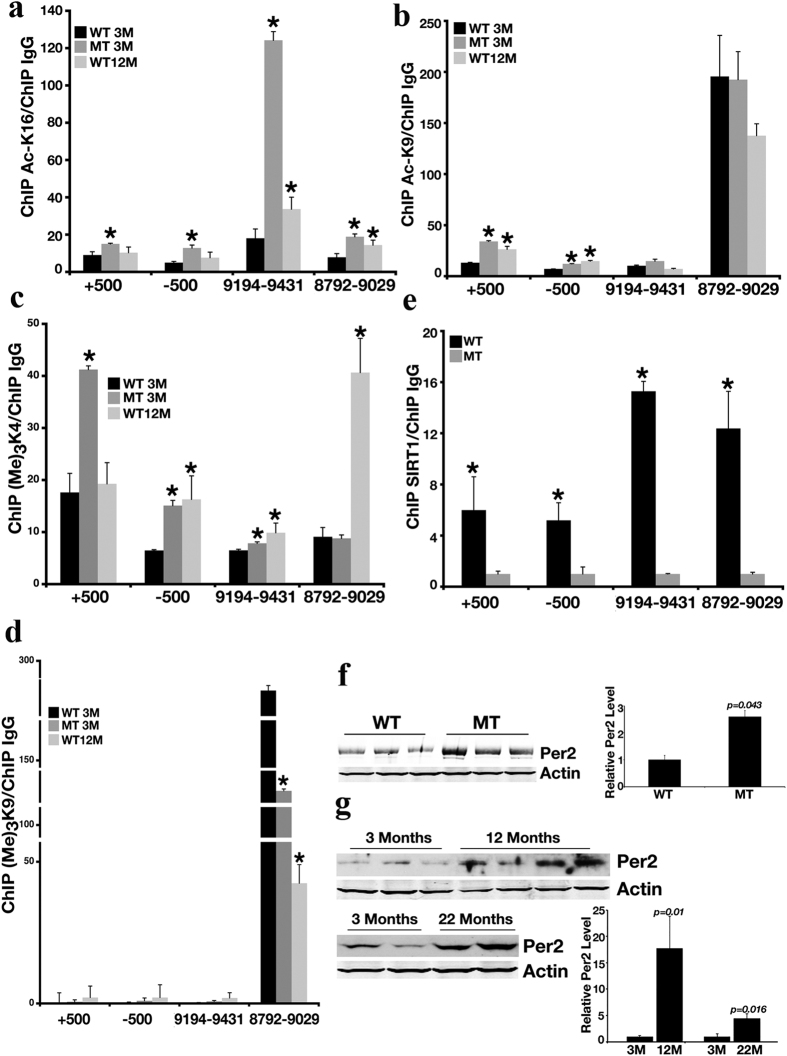
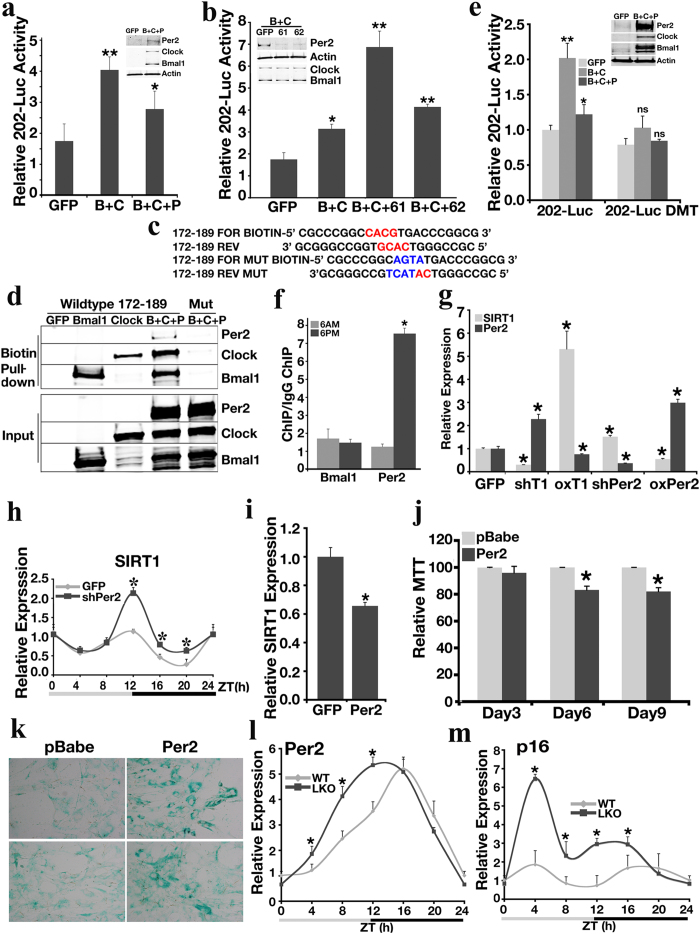
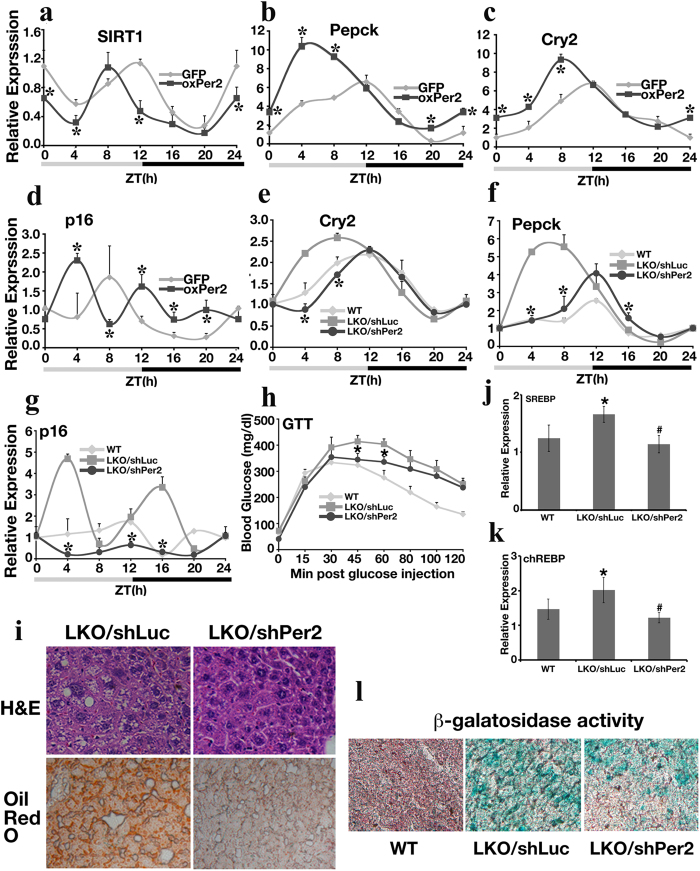
Sirtuin 1 (SIRT1) is involved in both aging and circadian-clock regulation, yet the link between the two processes in relation to SIRT1 function is not clear. Using Sirt1-deficient mice, we found that Sirt1 and Period 2 (Per2) constitute a reciprocal negative regulation loop that plays important roles in modulating hepatic circadian rhythmicity and aging. Sirt1-deficient mice exhibited profound premature aging and enhanced acetylation of histone H4 on lysine16 (H4K16) in the promoter of Per2, the latter of which leads to its overexpression; in turn, Per2 suppresses Sirt1 transcription through binding to the Sirt1 promoter at the Clock/Bmal1 site. This negative reciprocal relationship between SIRT1 and PER2 was also observed in human hepatocytes. We further demonstrated that the absence of Sirt1 or the ectopic overexpression of Per2 in the liver resulted in a dysregulated pace of the circadian rhythm. The similar circadian rhythm was also observed in aged wild type mice. The interplay between Sirt1 and Per2 modulates aging gene expression and circadian-clock maintenance.
沉默调节蛋白1(SIRT1)参与衰老和昼夜节律调节,但SIRT1功能在这两个过程之间的联系尚不清楚。利用Sirt1基因敲除小鼠,我们发现Sirt1和周期蛋白2(Per2)构成一个相互负调节环,在调节肝脏昼夜节律性和衰老中起重要作用。Sirt1基因敲除小鼠表现出严重的早衰以及Per2启动子上赖氨酸16(H4K16)处组蛋白H4乙酰化增强,后者导致其过度表达;反过来,Per2通过在Clock/Bmal1位点与Sirt1启动子结合来抑制Sirt1转录。在人肝细胞中也观察到SIRT1和PER2之间的这种负向相互关系。我们进一步证明,肝脏中Sirt1的缺失或Per2的异位过表达导致昼夜节律失调。在老年野生型小鼠中也观察到类似的昼夜节律。Sirt1和Per2之间的相互作用调节衰老基因表达和昼夜节律维持。