Pizarro Ricardo, Nair Veena, Meier Timothy, Holdsworth Ryan, Tunnell Evelyn, Rutecki Paul, Sillay Karl, Meyerand Mary E, Prabhakaran Vivek
a Department of Biomedical Engineering , UW-Madison , Madison , WI , USA.
b Department of Radiology , UW-Madison , Madison , WI , USA.
Neurocase. 2016 Aug;22(4):362-8. doi: 10.1080/13554794.2016.1195845. Epub 2016 Jun 30.
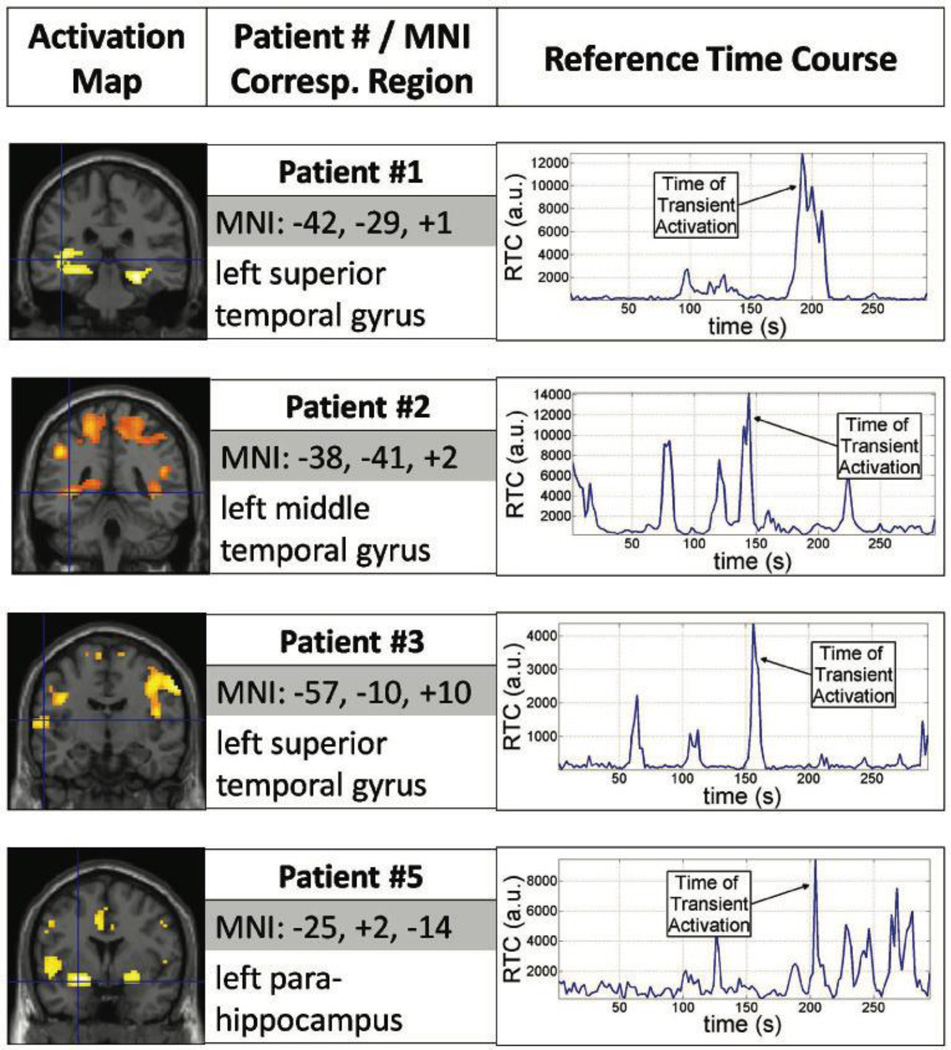
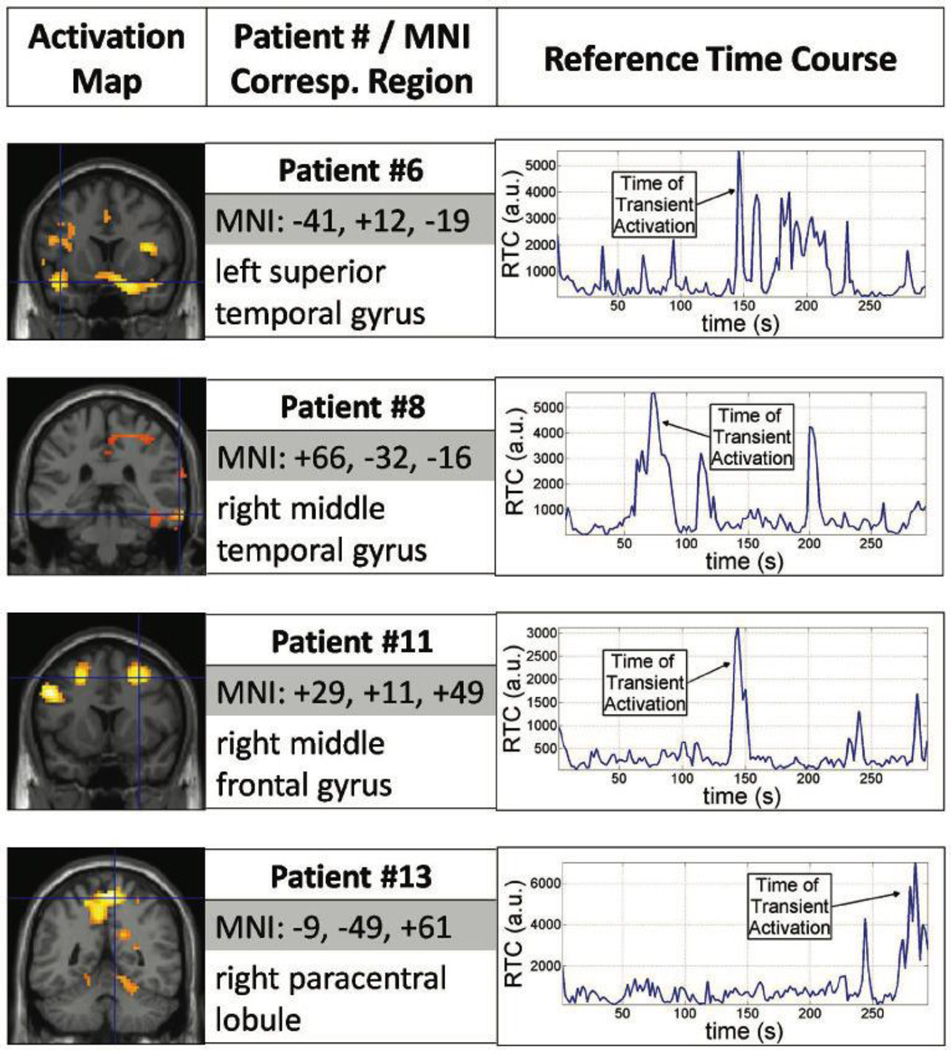
Seizure localization includes neuroimaging like electroencephalogram, and magnetic resonance imaging (MRI) with limited ability to characterize the epileptogenic network. Temporal clustering analysis (TCA) characterizes epileptogenic network congruent with interictal epileptiform discharges by clustering together voxels with transient signals. We generated epileptogenic areas for 12 of 13 epilepsy patients with TCA, congruent with different areas of seizure onset. Resting functional MRI (fMRI) scans are noninvasive, and can be acquired quickly, in patients with different levels of severity and function. Analyzing resting fMRI data using TCA is quick and can complement clinical methods to characterize the epileptogenic network.
癫痫灶定位包括神经影像学检查,如脑电图和磁共振成像(MRI),但这些方法在表征致痫网络方面能力有限。颞叶聚类分析(TCA)通过将具有瞬态信号的体素聚类在一起,来表征与发作间期癫痫样放电一致的致痫网络。我们利用TCA为13例癫痫患者中的12例生成了癫痫灶区域,这些区域与不同的癫痫发作起始区域一致。静息功能磁共振成像(fMRI)扫描是非侵入性的,并且可以在不同严重程度和功能水平的患者中快速获取。使用TCA分析静息fMRI数据速度快,并且可以补充临床方法来表征致痫网络。