Sano Kazuhiro, Isobe Tomohiko, Yang Jiaxin, Win-Shwe Tin-Tin, Yoshikane Mitsuha, Nakayama Shoji F, Kawashima Takaharu, Suzuki Go, Hashimoto Shunji, Nohara Keiko, Tohyama Chiharu, Maekawa Fumihiko
Center for Health and Environmental Risk Research, National Institute for Environmental Studies Tsukuba, Japan.
Center for Environmental Biology and Ecosystem Studies, National Institute for Environmental Studies Tsukuba, Japan.
Front Neurosci. 2016 Jun 3;10:228. doi: 10.3389/fnins.2016.00228. eCollection 2016.
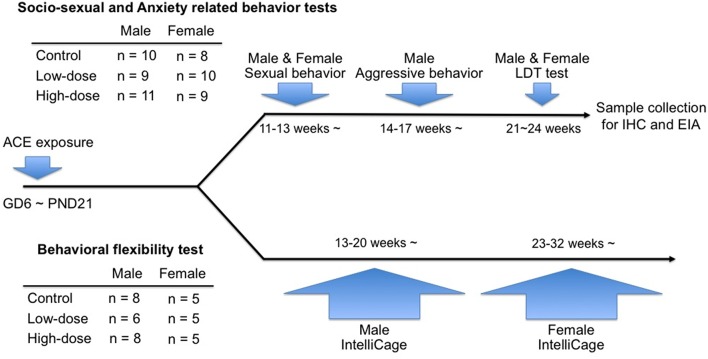
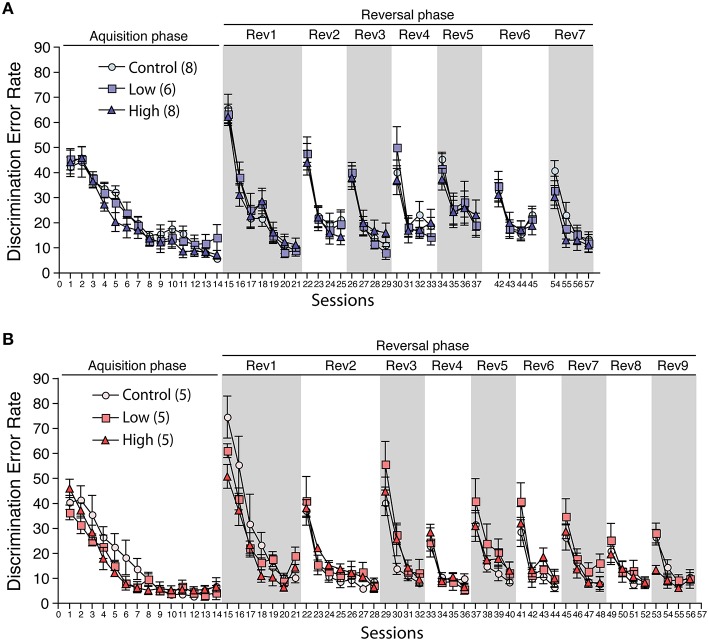
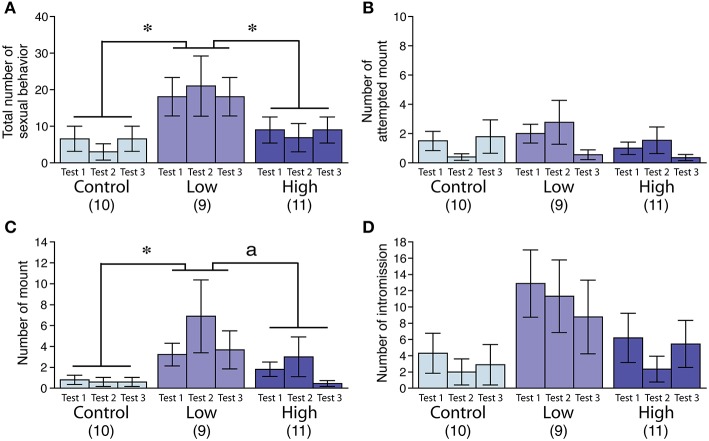
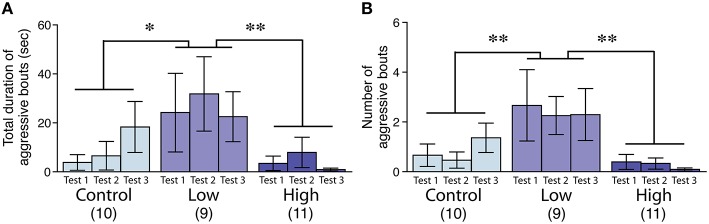
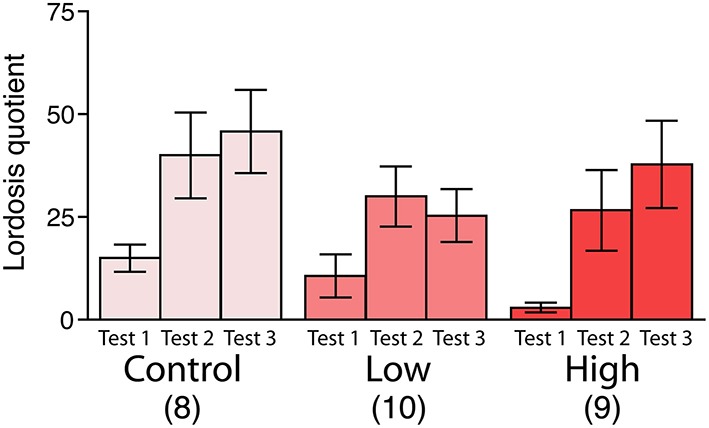
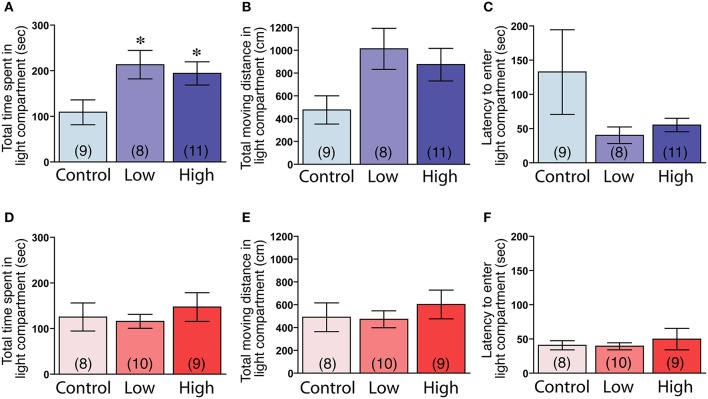
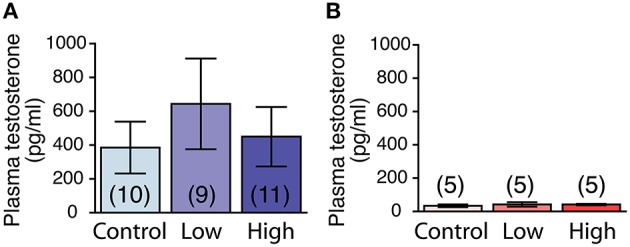
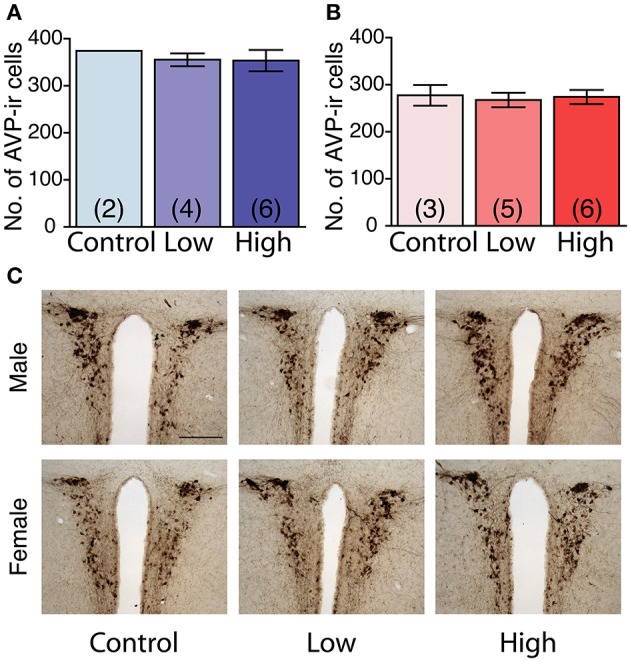
Neonicotinoids, a widely used group of pesticides designed to selectively bind to insect nicotinic acetylcholine receptors, were considered relatively safe for mammalian species. However, they have been found to activate vertebrate nicotinic acetylcholine receptors and could be toxic to the mammalian brain. In the present study, we evaluated the developmental neurotoxicity of acetamiprid (ACE), one of the most widely used neonicotinoids, in C57BL/6J mice whose mothers were administered ACE via gavage at doses of either 0 mg/kg (control group), 1.0 mg/kg (low-dose group), or 10.0 mg/kg (high-dose group) from gestational day 6 to lactation day 21. The results of a battery of behavior tests for socio-sexual and anxiety-related behaviors, the numbers of vasopressin-immunoreactive cells in the paraventricular nucleus of the hypothalamus, and testosterone levels were used as endpoints. In addition, behavioral flexibility in mice was assessed in a group-housed environment using the IntelliCage, a fully automated mouse behavioral analysis system. In adult male mice exposed to ACE at both low and high doses, a significant reduction of anxiety level was found in the light-dark transition test. Males in the low-dose group also showed a significant increase in sexual and aggressive behaviors. In contrast, neither the anxiety levels nor the sexual behaviors of females were altered. No reductions in the testosterone level, the number of vasopressin-immunoreactive cells, or behavioral flexibility were detected in either sex. These results suggest the possibility that in utero and lactational ACE exposure interferes with the development of the neural circuits required for executing socio-sexual and anxiety-related behaviors in male mice specifically.
新烟碱类是一类广泛使用的杀虫剂,旨在选择性地与昆虫烟碱型乙酰胆碱受体结合,曾被认为对哺乳动物相对安全。然而,现已发现它们能激活脊椎动物的烟碱型乙酰胆碱受体,可能对哺乳动物大脑有毒性。在本研究中,我们评估了最广泛使用的新烟碱类之一啶虫脒(ACE)对C57BL/6J小鼠的发育神经毒性,这些小鼠的母亲在妊娠第6天至哺乳期第21天通过灌胃给予剂量为0毫克/千克(对照组)、1.0毫克/千克(低剂量组)或10.0毫克/千克(高剂量组)的ACE。一系列与社会性行为和焦虑相关行为的行为测试结果、下丘脑室旁核中加压素免疫反应性细胞的数量以及睾酮水平被用作终点指标。此外,使用IntelliCage(一种全自动小鼠行为分析系统)在群居环境中评估小鼠的行为灵活性。在低剂量和高剂量接触ACE的成年雄性小鼠中,明暗转换测试发现焦虑水平显著降低。低剂量组的雄性小鼠在性行为和攻击行为方面也显著增加。相比之下,雌性小鼠的焦虑水平和性行为均未改变。在任何性别中均未检测到睾酮水平、加压素免疫反应性细胞数量或行为灵活性的降低。这些结果表明,子宫内和哺乳期接触ACE可能特别干扰雄性小鼠执行社会性行为和焦虑相关行为所需神经回路的发育。