Vongpaisal Tara, Caruso Daniela, Yuan Zhicheng
Department of Psychology, MacEwan University Edmonton, AB, Canada.
Front Psychol. 2016 Jun 15;7:835. doi: 10.3389/fpsyg.2016.00835. eCollection 2016.
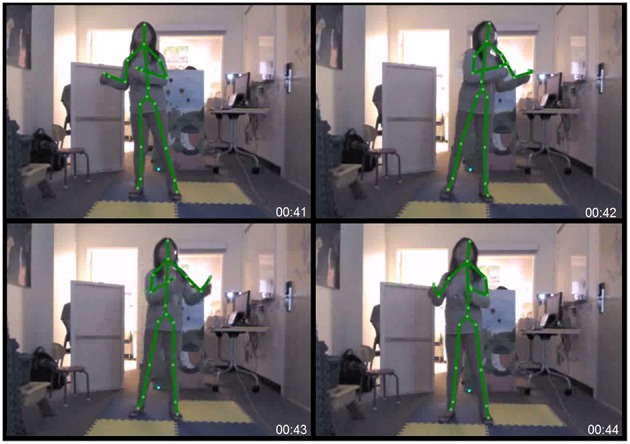
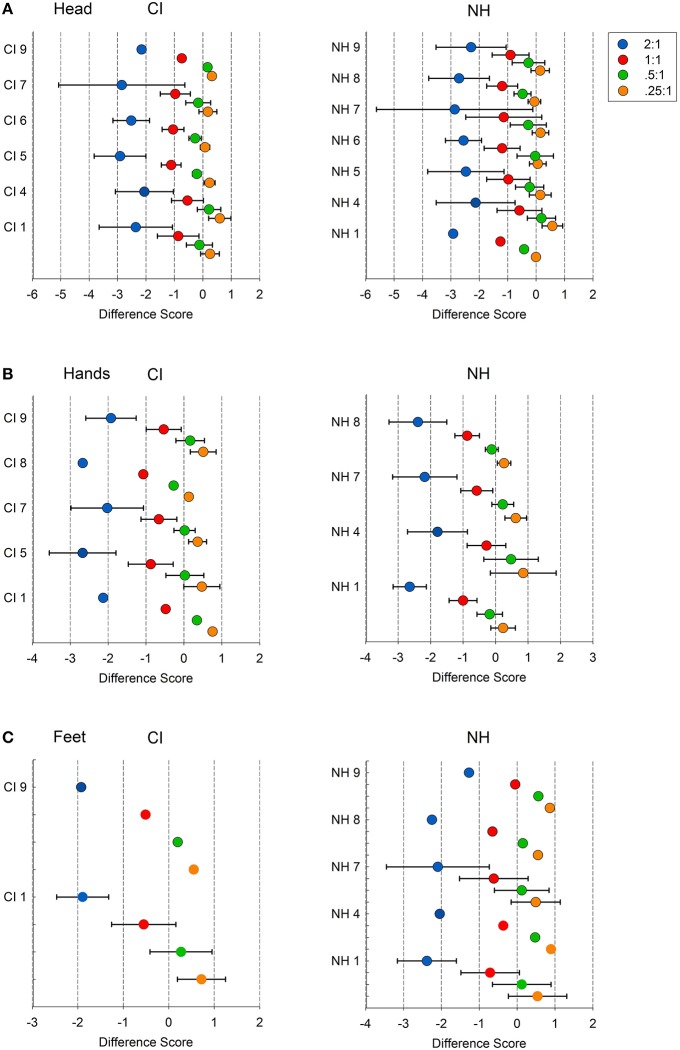
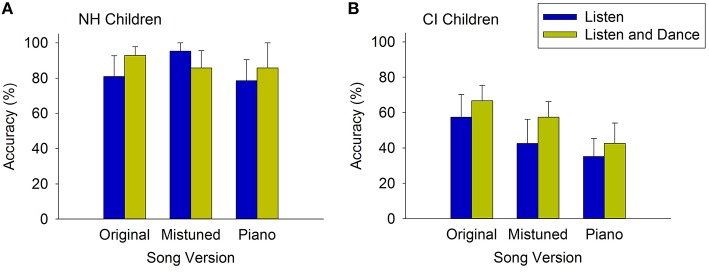
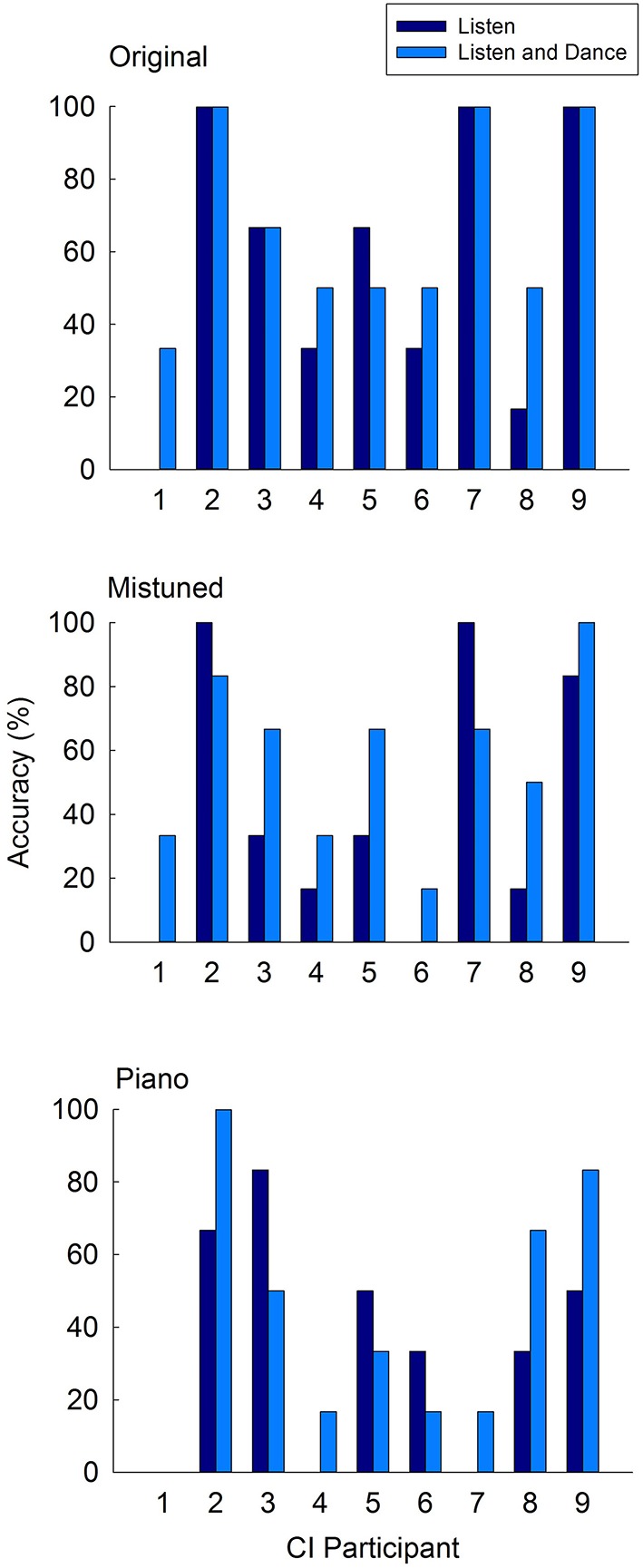
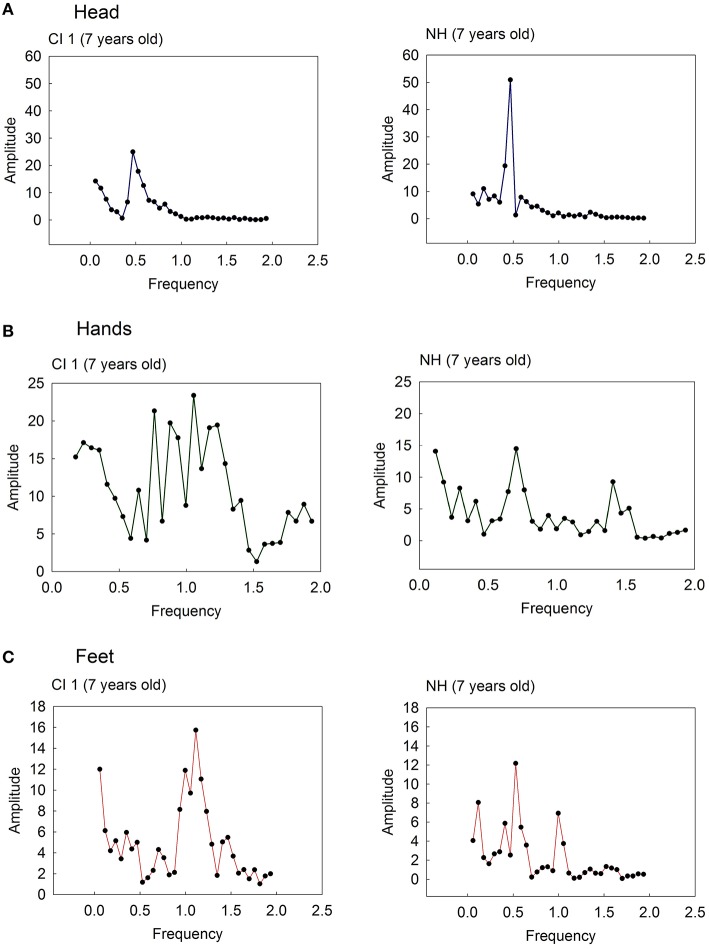
Music perception of cochlear implants (CI) users is constrained by the absence of salient musical pitch cues crucial for melody identification, but is made possible by timing cues that are largely preserved by current devices. While musical timing cues, including beats and rhythms, are a potential route to music learning, it is not known what extent they are perceptible to CI users in complex sound scenes, especially when pitch and timbral features can co-occur and obscure these musical features. The task at hand, then, becomes one of optimizing the available timing cues for young CI users by exploring ways that they might be perceived and encoded simultaneously across multiple modalities. Accordingly, we examined whether training tasks that engage active music listening through dance might enhance the song identification skills of deaf children with CIs. Nine CI children learned new songs in two training conditions: (a) listening only (auditory learning), and (2) listening and dancing (auditory-motor learning). We examined children's ability to identify original song excerpts, as well as mistuned, and piano versions from a closed-set task. While CI children were less accurate than their normal hearing peers, they showed greater song identification accuracies in versions that preserved the original instrumental beats following learning that engaged active listening with dance. The observed performance advantage is further qualified by a medium effect size, indicating that the gains afforded by auditory-motor learning are practically meaningful. Furthermore, kinematic analyses of body movements showed that CI children synchronized to temporal structures in music in a manner that was comparable to normal hearing age-matched peers. Our findings are the first to indicate that input from CI devices enables good auditory-motor integration of timing cues in child CI users for the purposes of listening and dancing to music. Beyond the heightened arousal from active engagement with music, our findings indicate that a more robust representation or memory of musical timing features was made possible by multimodal processing. Methods that encourage CI children to entrain, or track musical timing with body movements, may be particularly effective in consolidating musical knowledge than methods that engage listening only.
人工耳蜗(CI)使用者的音乐感知受到缺乏对旋律识别至关重要的显著音高线索的限制,但当前设备在很大程度上保留的时间线索使其音乐感知成为可能。虽然包括节拍和节奏在内的音乐时间线索是音乐学习的一条潜在途径,但尚不清楚在复杂的声音场景中,人工耳蜗使用者对这些线索的感知程度如何,尤其是当音高和音色特征同时出现并掩盖这些音乐特征时。因此,当前的任务是通过探索在多种模态中同时感知和编码这些线索的方法,来优化年轻人工耳蜗使用者可用的时间线索。相应地,我们研究了通过舞蹈进行主动音乐聆听的训练任务是否能提高使用人工耳蜗的聋童的歌曲识别技能。九名使用人工耳蜗的儿童在两种训练条件下学习新歌:(a)仅聆听(听觉学习),以及(2)聆听并跳舞(听觉 - 运动学习)。我们通过一个封闭集任务,考察了儿童识别原始歌曲片段、音高不准的版本以及钢琴版本的能力。虽然使用人工耳蜗的儿童比听力正常的同龄人准确性更低,但在通过与舞蹈结合的主动聆听学习后,他们在保留原始乐器节拍的版本中表现出更高的歌曲识别准确率。观察到的表现优势通过中等效应量进一步得到验证,表明听觉 - 运动学习带来的提升具有实际意义。此外,对身体动作的运动学分析表明,使用人工耳蜗的儿童以与听力正常的年龄匹配同龄人相当的方式与音乐中的时间结构同步。我们的研究结果首次表明,人工耳蜗设备的输入使儿童人工耳蜗使用者能够为了聆听和随音乐跳舞而对时间线索进行良好的听觉 - 运动整合。除了因积极参与音乐而产生的更高唤醒水平外,我们的研究结果表明,多模态处理使对音乐时间特征的更强大表征或记忆成为可能。鼓励使用人工耳蜗的儿童通过身体动作来跟随或追踪音乐时间的方法,可能比仅涉及聆听的方法在巩固音乐知识方面特别有效。