van den Kerkhof Tom L G M, de Taeye Steven W, Boeser-Nunnink Brigitte D, Burton Dennis R, Kootstra Neeltje A, Schuitemaker Hanneke, Sanders Rogier W, van Gils Marit J
Department of Medical Microbiology, Academic Medical Center, University of Amsterdam, 1105 AZ, Amsterdam, The Netherlands.
Department of Experimental Immunology, Academic Medical Center, University of Amsterdam, 1105 AZ, Amsterdam, The Netherlands.
Retrovirology. 2016 Jul 7;13(1):48. doi: 10.1186/s12977-016-0279-4.
Current HIV-1 immunogens are unable to induce antibodies that can neutralize a broad range of HIV-1 (broadly neutralizing antibodies; bNAbs). However, such antibodies are elicited in 10-30 % of HIV-1 infected individuals, and the co-evolution of the virus and the humoral immune responses in these individuals has attracted attention, because they can provide clues for vaccine design.
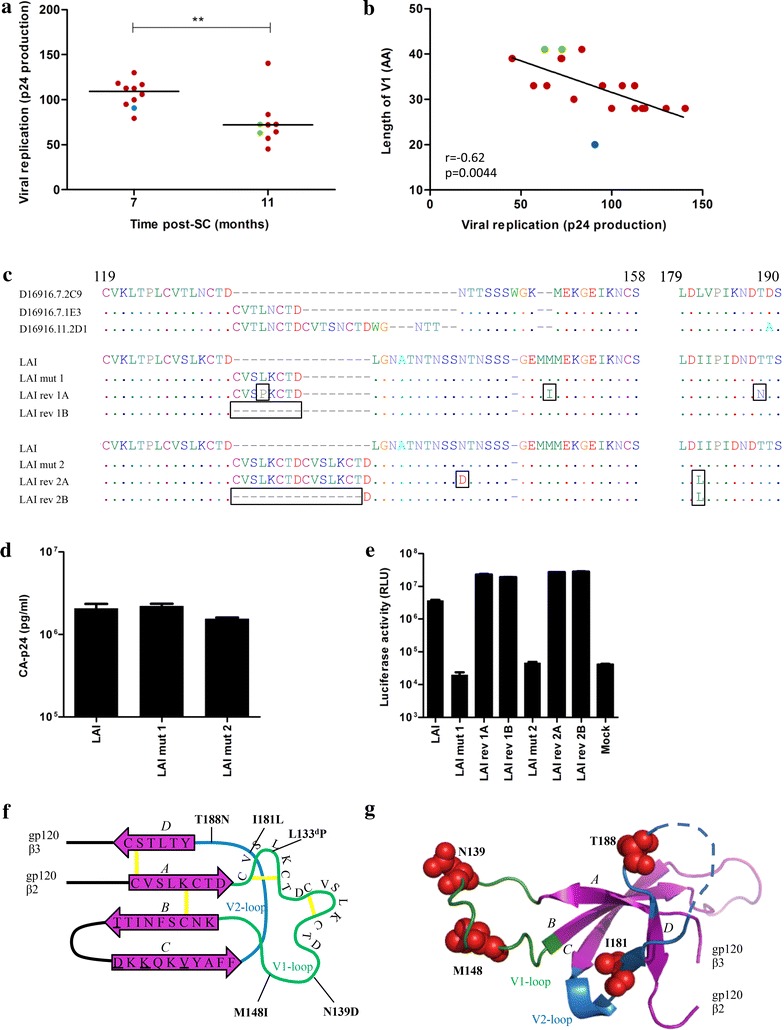
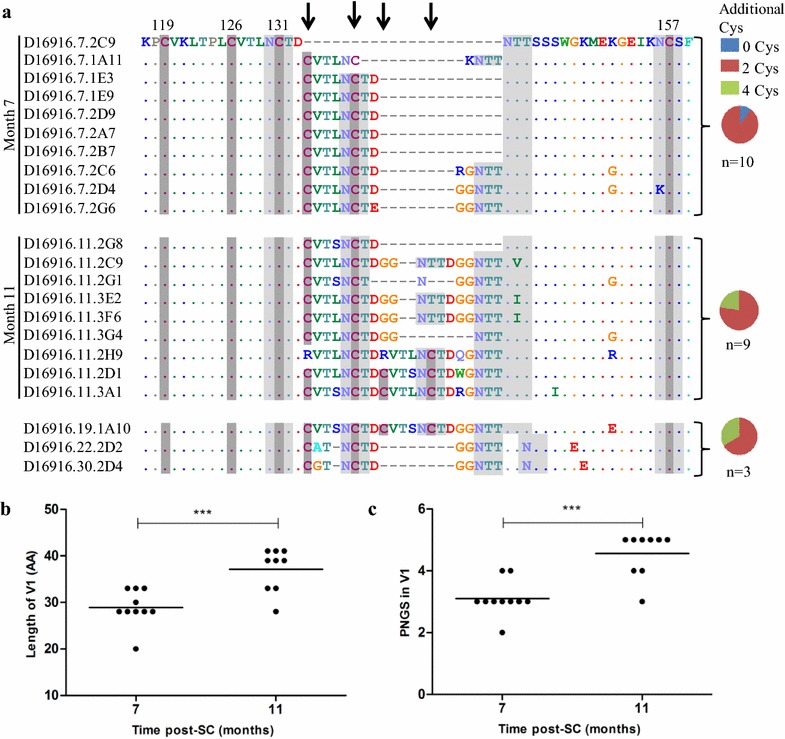
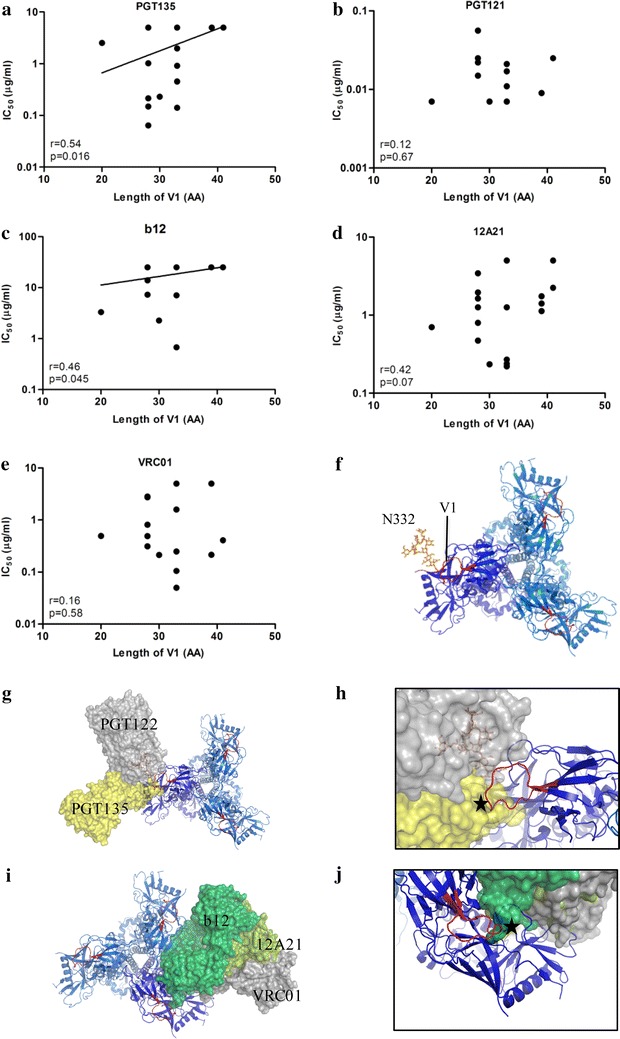
Here we characterized the NAb responses and envelope glycoprotein evolution in an HIV-1 infected "elite neutralizer" of the Amsterdam Cohort Studies on HIV-1 infection and AIDS who developed an unusually potent bNAb response rapidly after infection. The NAb response was dependent on the N332-glycan and viral resistance against the N332-glycan dependent bNAb PGT135 developed over time but viral escape did not occur at or near this glycan. In contrast, the virus likely escaped by increasing V1 length, with up to 21 amino acids, accompanied by the introduction of 1-3 additional glycans, as well as 2-4 additional cysteine residues within V1.
In the individual studied here, HIV-1 escaped from N332-glycan directed NAb responses without changing the epitope itself, but by elongating a variable loop that shields this epitope.
目前的HIV-1免疫原无法诱导产生能够中和多种HIV-1的抗体(广泛中和抗体;bNAbs)。然而,在10%-30%的HIV-1感染者中会产生此类抗体,并且这些个体中病毒与体液免疫反应的共同进化引起了关注,因为它们可为疫苗设计提供线索。
在此,我们对阿姆斯特丹HIV-1感染与艾滋病队列研究中的一名HIV-1感染“精英中和者”的中和抗体反应及包膜糖蛋白进化进行了表征,该感染者在感染后迅速产生了异常强效的bNAb反应。中和抗体反应依赖于N332聚糖,随着时间推移,病毒对依赖N332聚糖的中和抗体PGT135产生了抗性,但在该聚糖处或其附近未发生病毒逃逸。相反,病毒可能通过增加V1长度(最长达21个氨基酸)来逃逸,同时在V1内引入1-3个额外的聚糖以及2-4个额外的半胱氨酸残基。
在本研究的个体中,HIV-1从针对N332聚糖的中和抗体反应中逃逸,并未改变表位本身,而是通过延长屏蔽该表位的可变环来实现。