Lee Shin J, Diener Katharina, Kaufman Sharon, Krieger Jean-Philippe, Pettersen Klaus G, Jejelava Nino, Arnold Myrtha, Watts Alan G, Langhans Wolfgang
Physiology and Behavior Laboratory, ETH Zürich, 8603 Schwerzenbach, Switzerland.
Physiology and Behavior Laboratory, ETH Zürich, 8603 Schwerzenbach, Switzerland.
Mol Metab. 2016 May 4;5(7):552-565. doi: 10.1016/j.molmet.2016.04.008. eCollection 2016 Jul.
Glucagon-like peptide-1 (GLP-1) analogs are attractive options for the treatment of type II diabetes and obesity because of their incretin and anorexigenic effects. Peripheral administration of the GLP-1R agonist Exendin-4 (Ex-4) also increases glucocorticoid secretion in rodents and humans, but whether the released glucocorticoids interact with Ex-4's anorexigenic effect remains unclear.
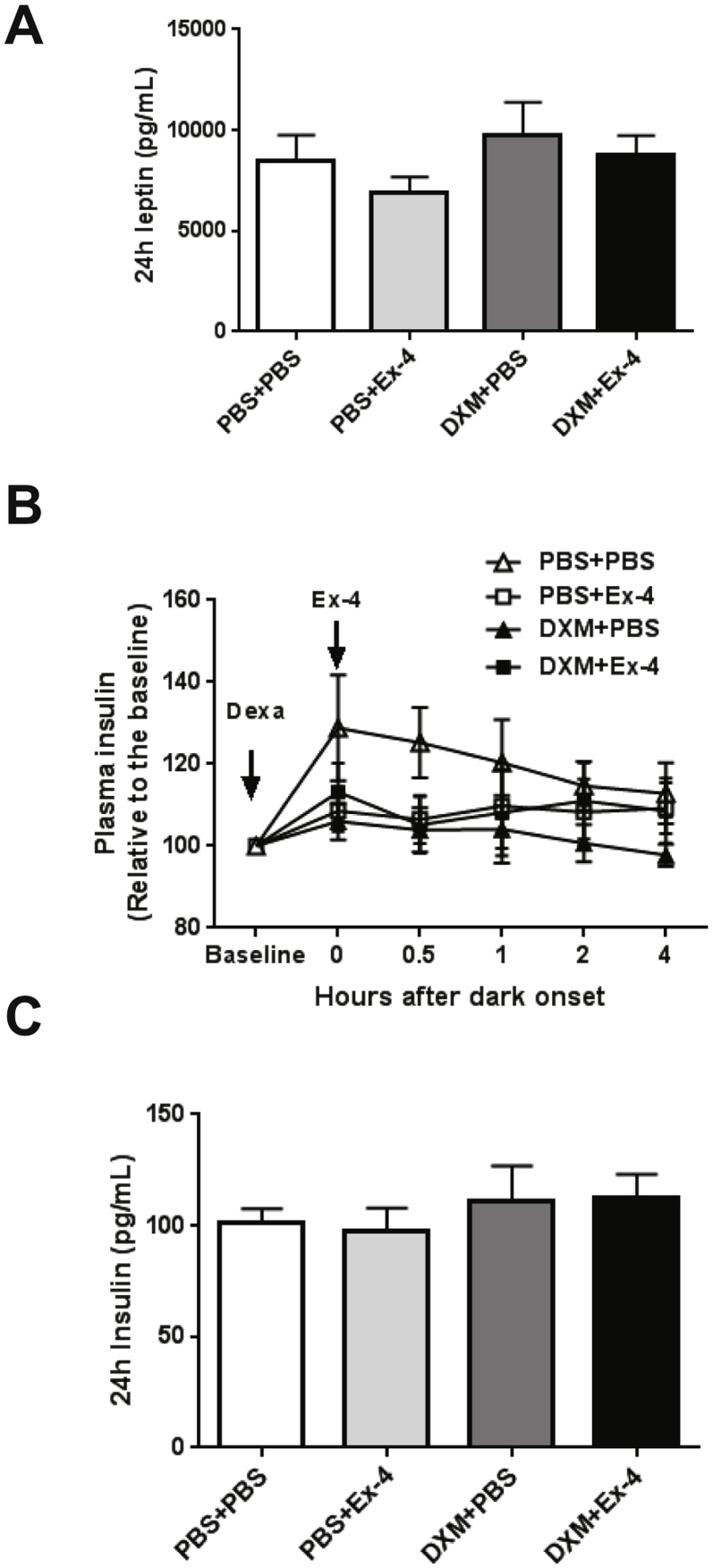
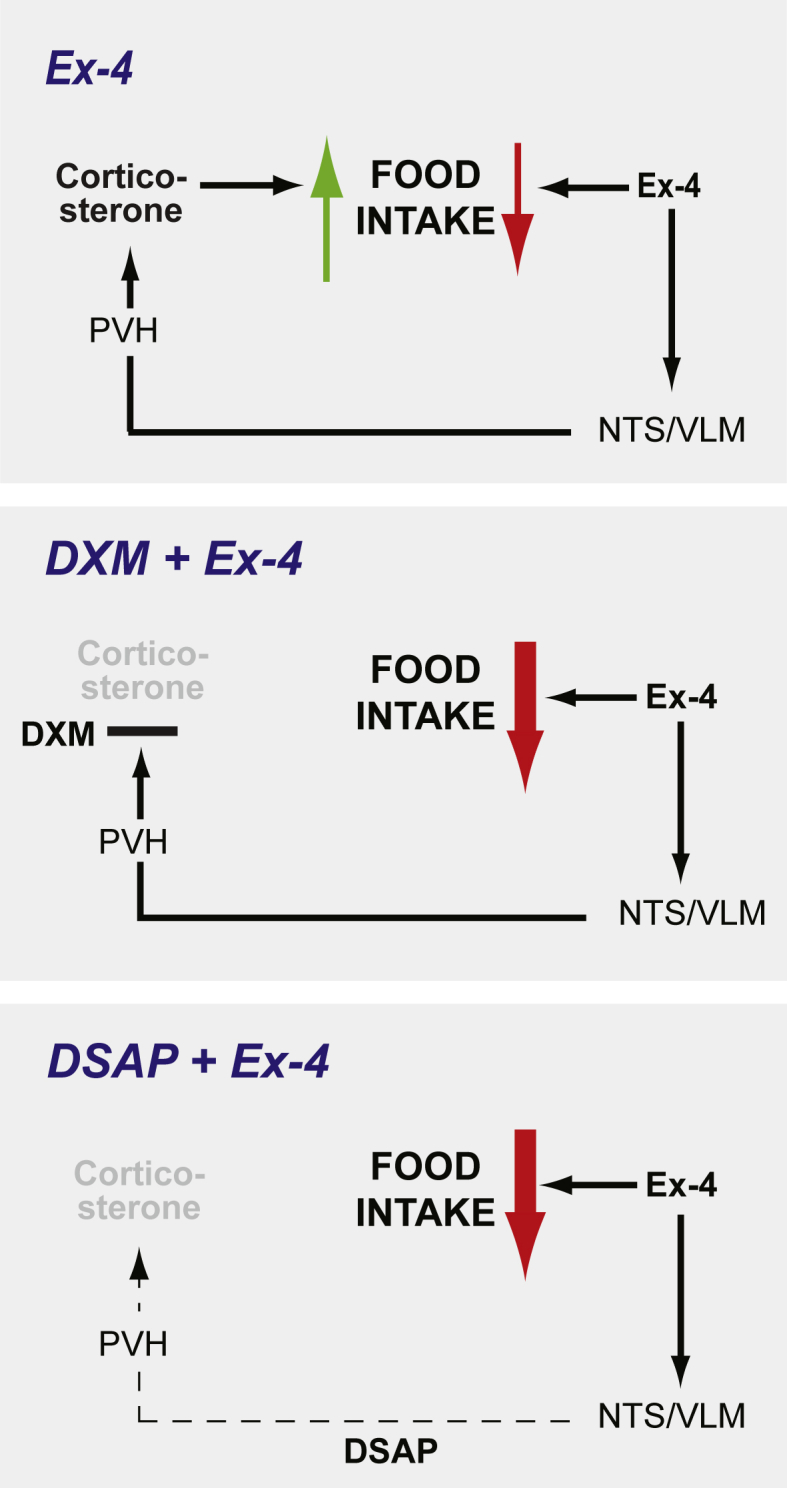
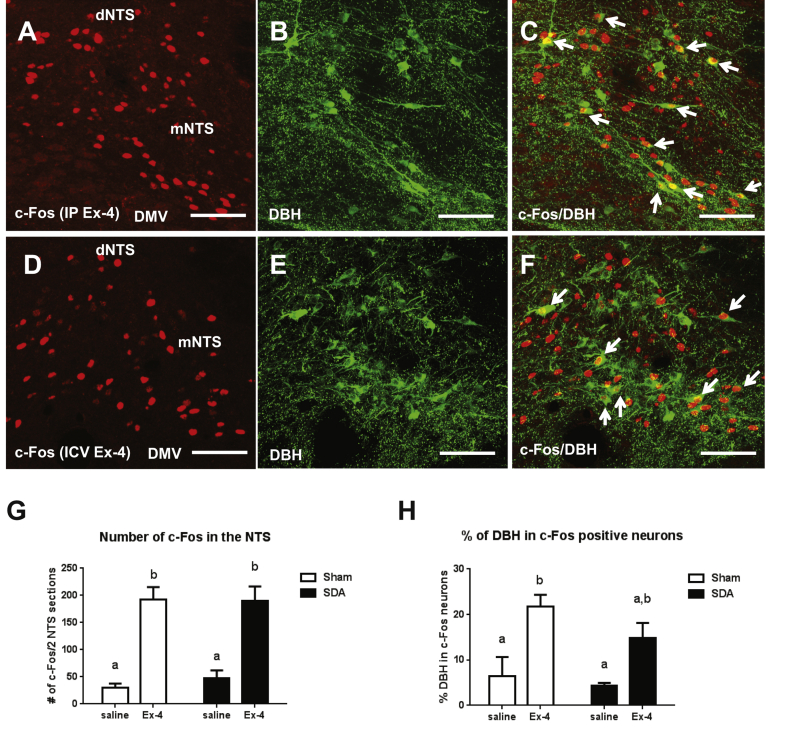
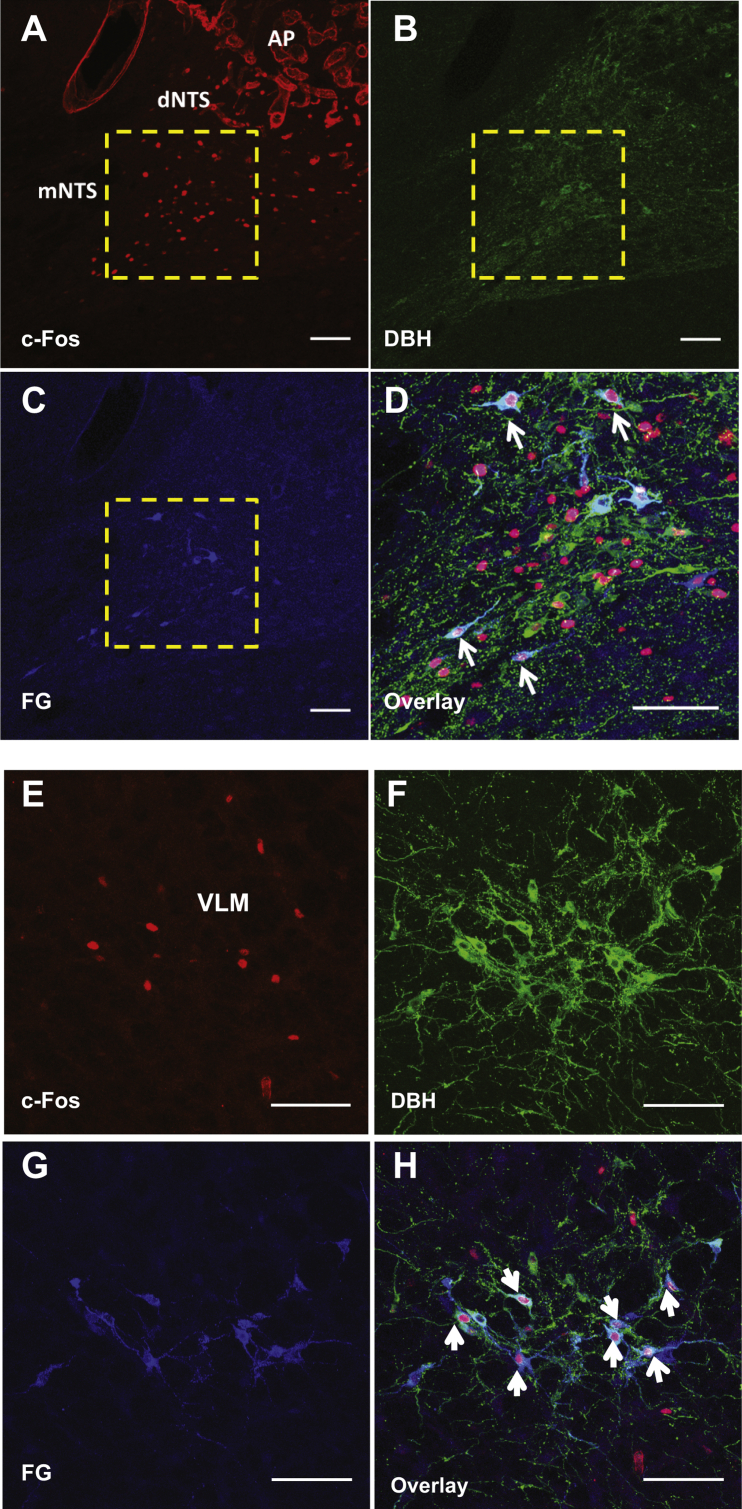
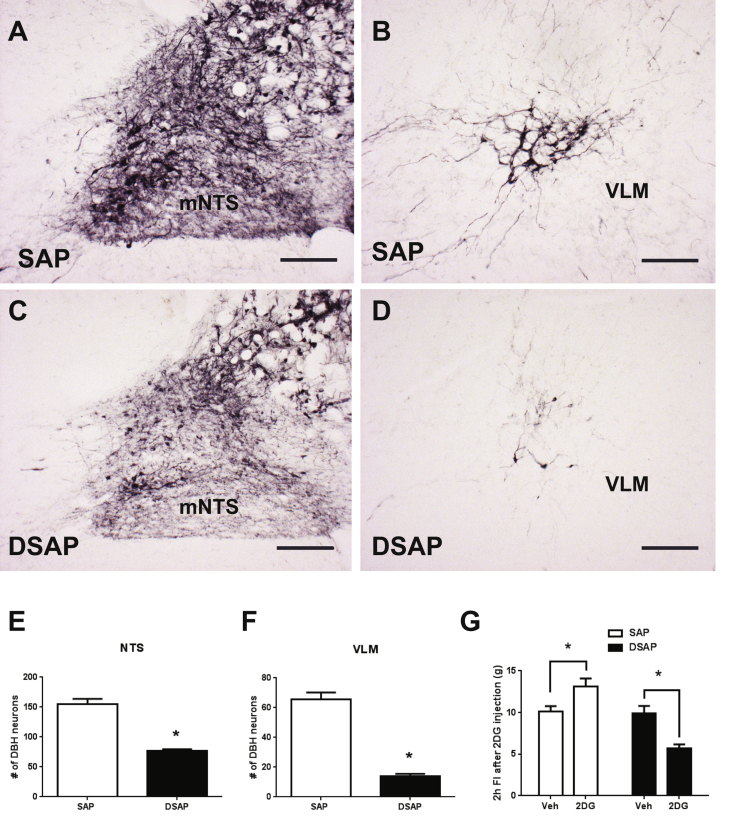
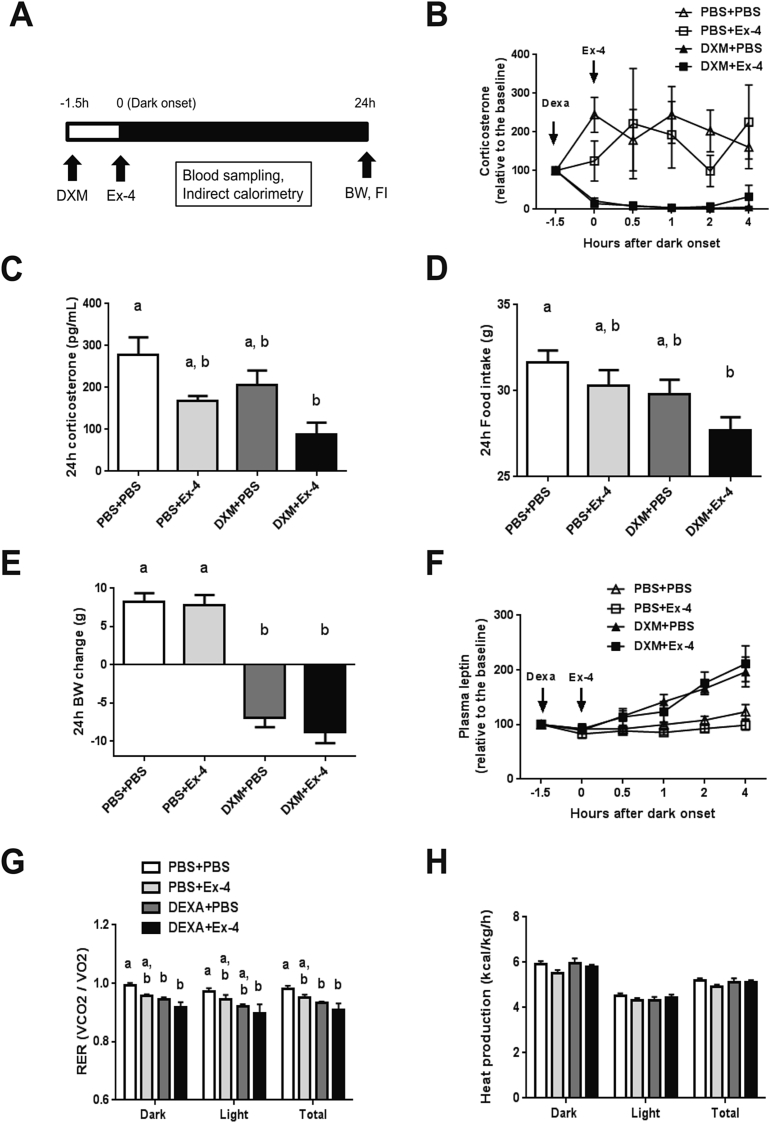
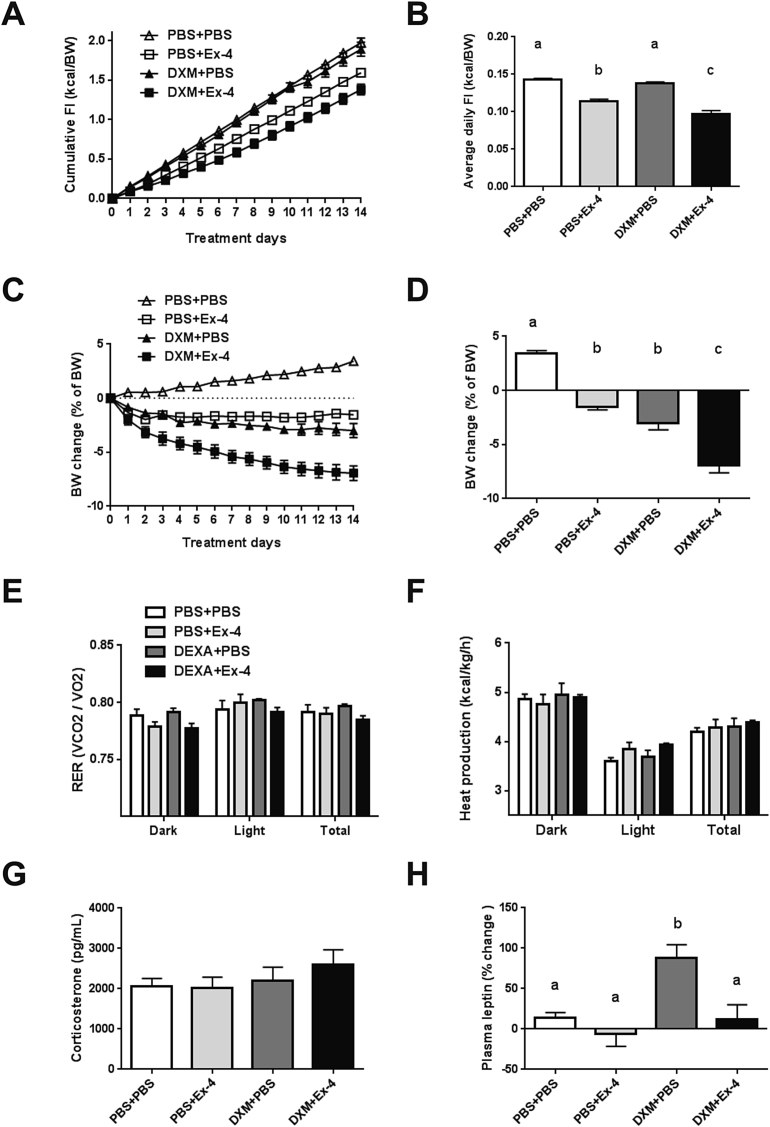
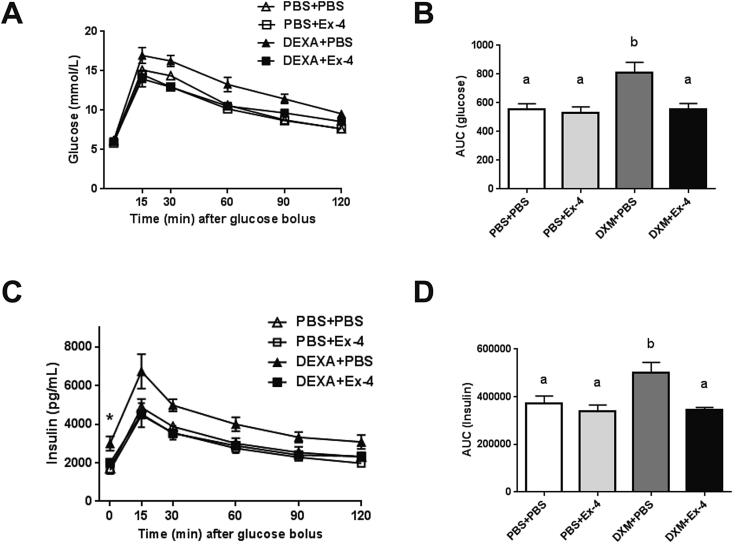
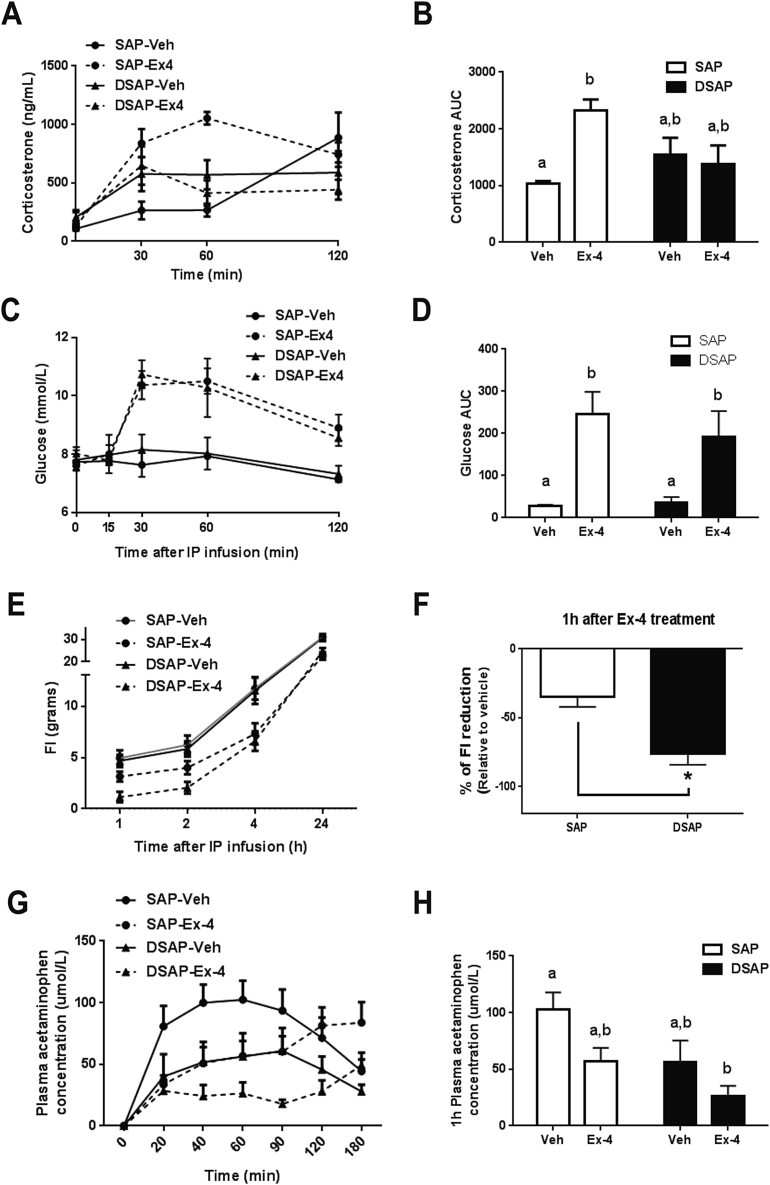
To test this, we used two experimental approaches that suppress corticosterone secretion and then assessed Ex-4 effects on eating in adult male rats. First, we combined acute and chronic low dose dexamethasone treatment with Ex-4. Second, we ablated hindbrain catecholamine neurons projecting to the hypothalamus with anti-dopamine-β-hydroxylase-saporin (DSAP) to block Ex-4-induced corticosterone secretion.
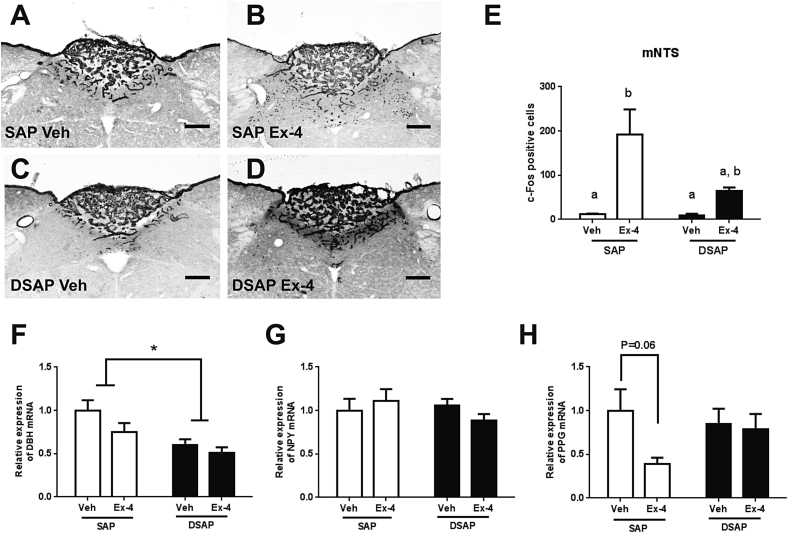
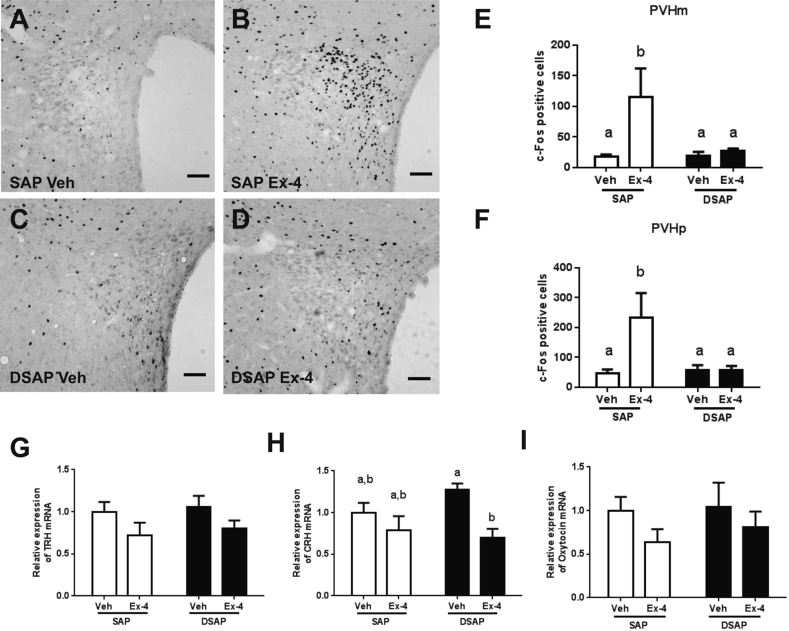
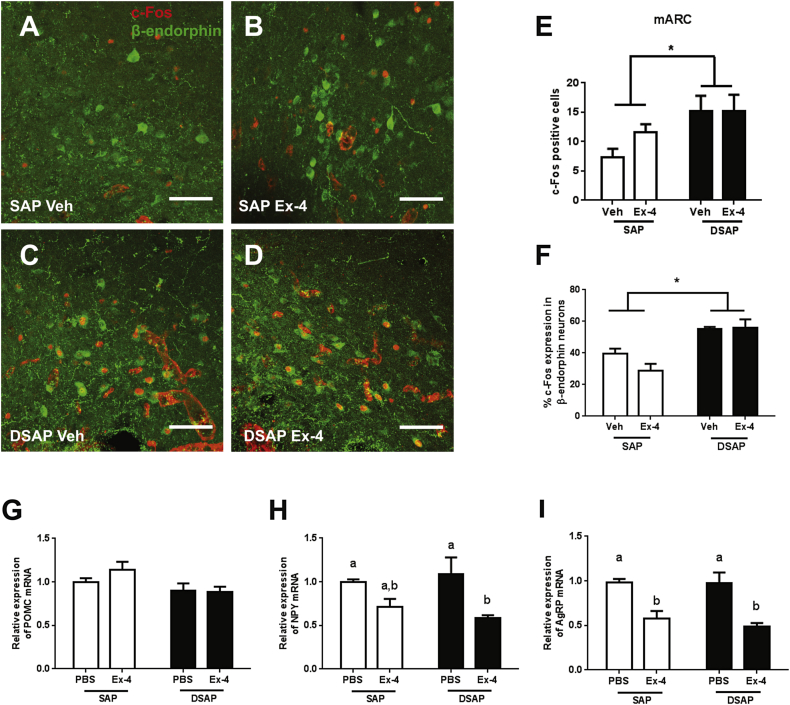
Combining dexamethasone and Ex-4 produced a larger acute anorexigenic effect than Ex-4 alone. Likewise, chronic dexamethasone and Ex-4 co-treatment produced a synergistic effect on eating and greater body weight loss in diet-induced obese rats than Ex-4 alone. DSAP lesions not only blunted Ex-4's ability to increase corticosterone secretion, but potentiated the anorexigenic effect of Ex-4, indicating that Ex-4-dependent corticosterone secretion opposes Ex-4's actions. Consistent with the enhancement of Ex-4's anorexigenic effect, DSAP lesion altered Ex-4-dependent changes in neuropeptide Y, preproglucagon, and corticotropin releasing hormone gene expression involved in glucocorticoid feedback.
Our findings demonstrate that limiting glucocorticoid secretion and actions with low dose dexamethasone or DSAP lesion increases Ex-4's ability to reduce food intake and body weight. Novel glucocorticoid receptor based mechanisms, therefore, may help enhance GLP-1-based obesity therapies.
胰高血糖素样肽-1(GLP-1)类似物因其肠促胰岛素和食欲抑制作用,是治疗II型糖尿病和肥胖症的有吸引力的选择。在啮齿动物和人类中,外周给予GLP-1受体激动剂艾塞那肽-4(Ex-4)也会增加糖皮质激素分泌,但释放的糖皮质激素是否与Ex-4的食欲抑制作用相互作用仍不清楚。
为了验证这一点,我们采用了两种抑制皮质酮分泌的实验方法,然后评估Ex-4对成年雄性大鼠进食的影响。首先,我们将急性和慢性低剂量地塞米松治疗与Ex-4联合使用。其次,我们用抗多巴胺-β-羟化酶-皂草素(DSAP)损毁投射到下丘脑的后脑儿茶酚胺神经元,以阻断Ex-4诱导的皮质酮分泌。
地塞米松和Ex-4联合使用比单独使用Ex-4产生更大的急性食欲抑制作用。同样,慢性地塞米松和Ex-4联合治疗对饮食诱导的肥胖大鼠的进食产生协同作用,并导致比单独使用Ex-4更大的体重减轻。DSAP损伤不仅减弱了Ex-4增加皮质酮分泌的能力,还增强了Ex-4的食欲抑制作用,表明Ex-4依赖的皮质酮分泌对抗Ex-4的作用。与Ex-4食欲抑制作用的增强一致,DSAP损伤改变了Ex-4依赖的神经肽Y、前胰高血糖素和促肾上腺皮质激素释放激素基因表达的变化,这些变化参与糖皮质激素反馈。
我们的研究结果表明,用低剂量地塞米松或DSAP损伤限制糖皮质激素分泌和作用,可增强Ex-4减少食物摄入和体重的能力。因此,基于新型糖皮质激素受体的机制可能有助于增强基于GLP-1的肥胖症治疗。