Tian Jun, Pinto Jayant M, Cui Xiaolan, Zhang Henghui, Li Li, Liu Yulong, Wu Chan, Wei Yongxiang
Department of Otolaryngology Head & Neck Surgery, The First Hospital of Shanxi Medical University, Shanxi Medical University, Taiyuan, Shanxi Province, China.
Section of Otolaryngology-Head and Neck Surgery, Department of Surgery, The University of Chicago, Chicago, Illinois, United States of America.
PLoS One. 2016 Jul 18;11(7):e0159033. doi: 10.1371/journal.pone.0159033. eCollection 2016.
Viral infection is a common cause of olfactory dysfunction. The complexities of studying post-viral olfactory loss in humans have impaired further progress in understanding the underlying mechanism. Recently, evidence from clinical studies has implicated Parainfluenza virus 3 as a causal agent. An animal model of post viral olfactory disorders (PVOD) would allow better understanding of disease pathogenesis and represent a major advance in the field.
To develop a mouse model of PVOD by evaluating the effects of Sendai virus (SeV), the murine counterpart of Parainfluenza virus, on olfactory function and regenerative ability of the olfactory epithelium.
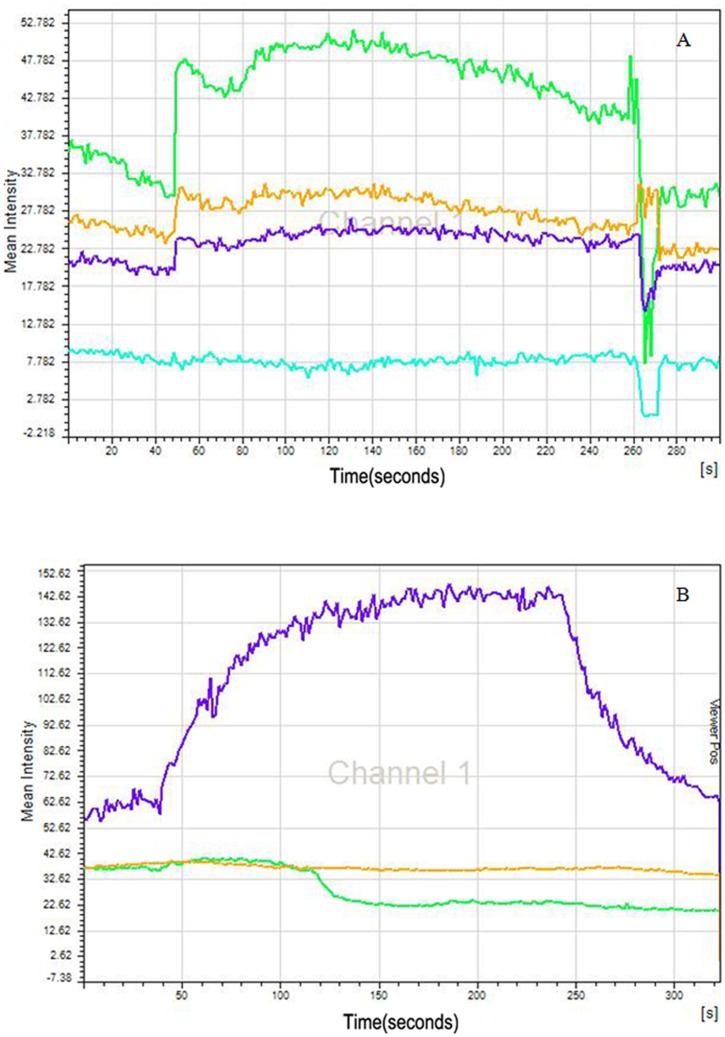
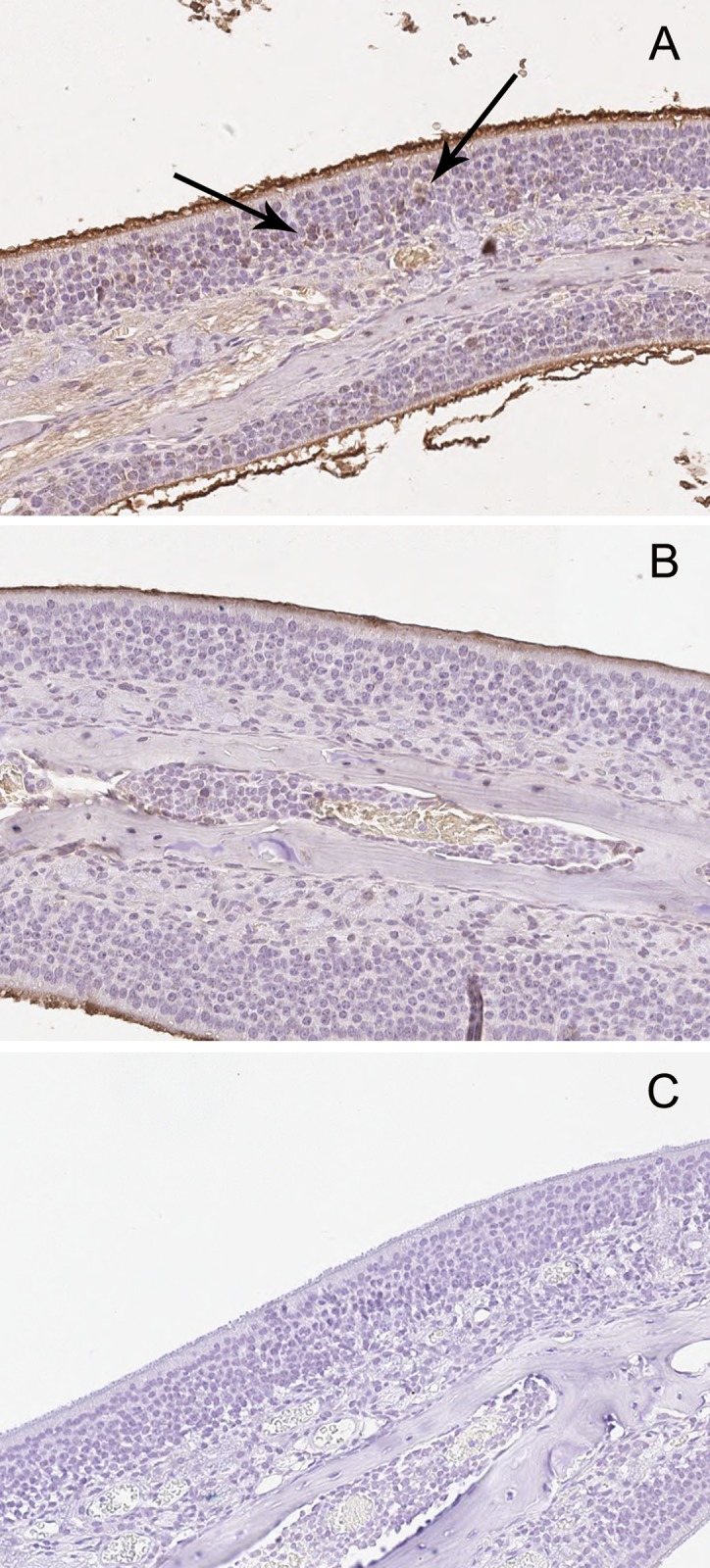
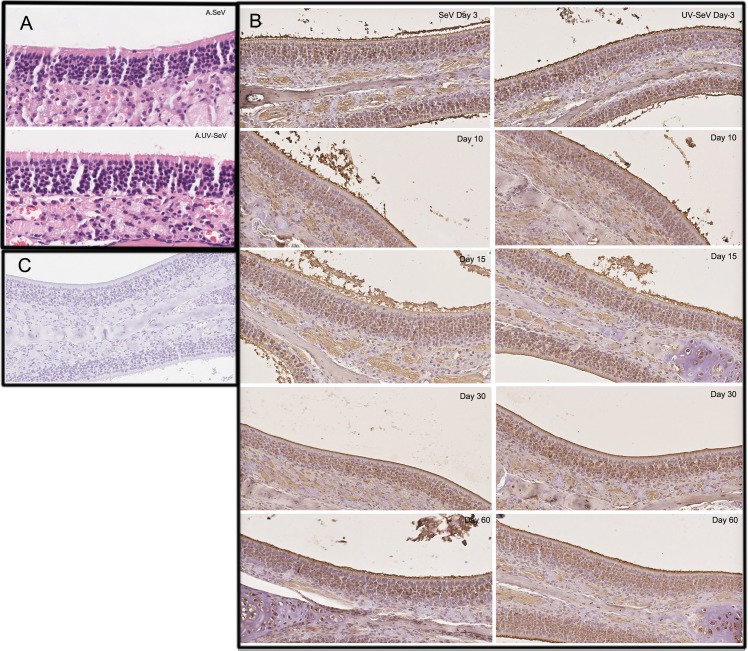
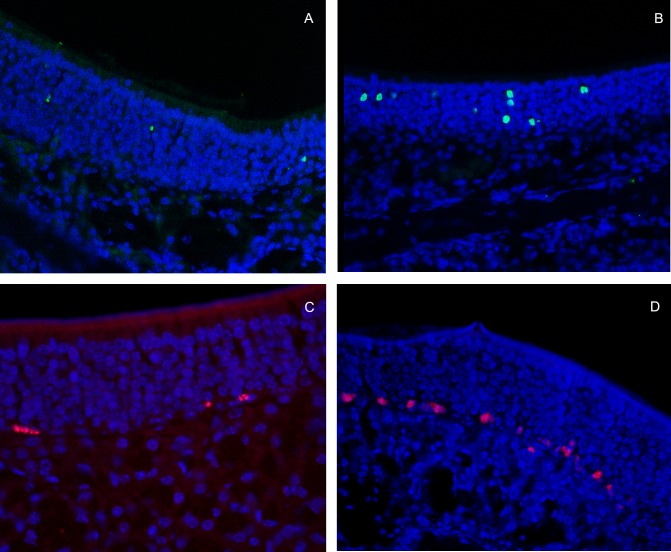
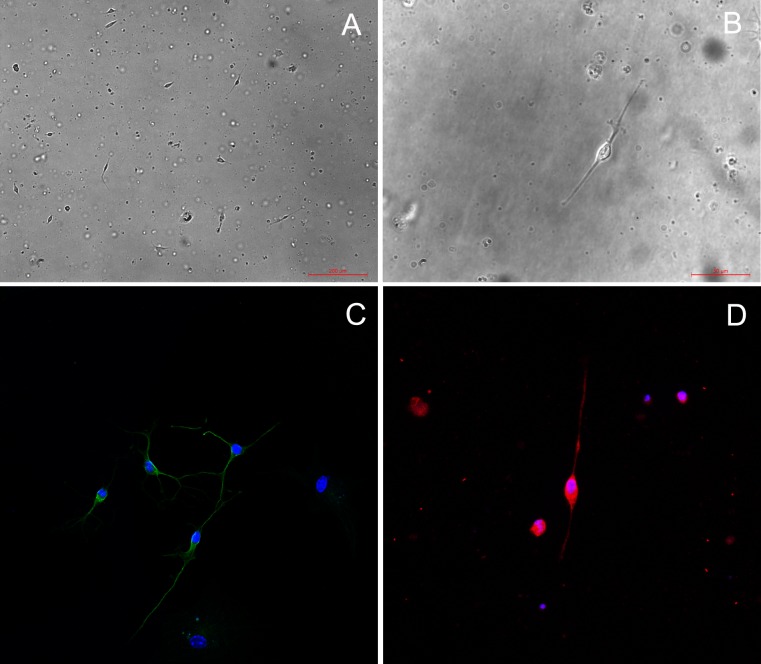
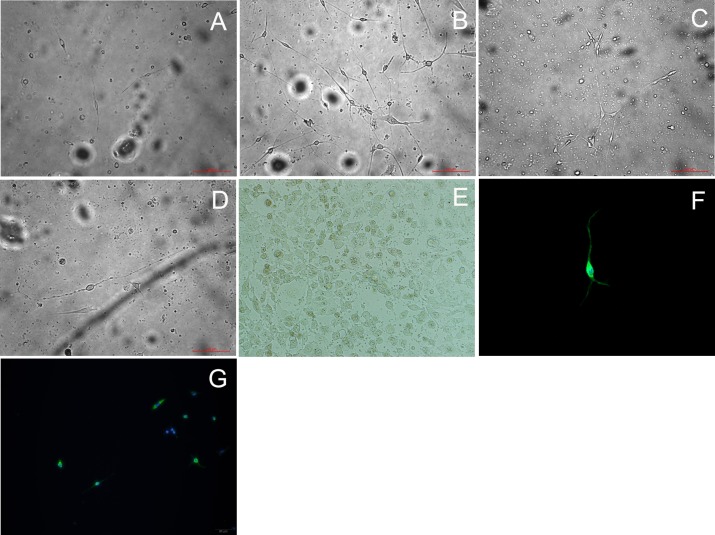
C57BL/6 mice (6-8 months old) were inoculated intranasally with SeV or ultraviolet (UV)-inactivated virus (UV-SeV). On days 3, 10, 15, 30 and 60 post-infection, olfactory epithelium was harvested and analyzed by histopathology and immunohistochemical detection of S-phase nuclei. We also measured apoptosis by TUNEL assay and viral load by real-time PCR. The buried food test (BFT) was used to measure olfactory function of mice at day 60. In parallel, cultured murine olfactory sensory neurons (OSNs) infected with SeV or UV-SeV were tested for odorant-mixture response by measuring changes in intracellular calcium concentrations indicated by fura-4 AM assay.
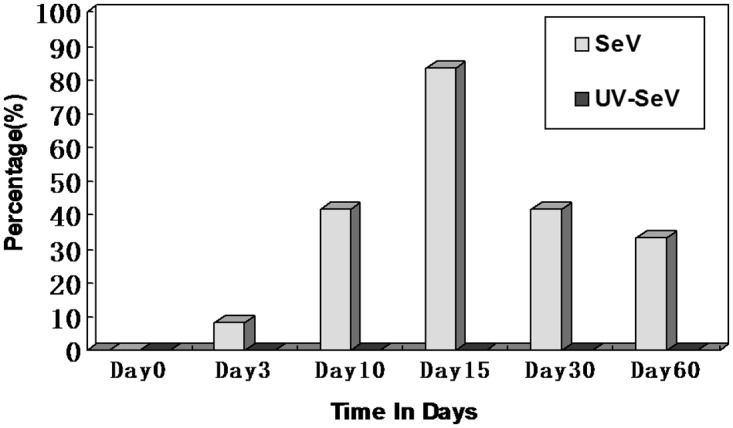
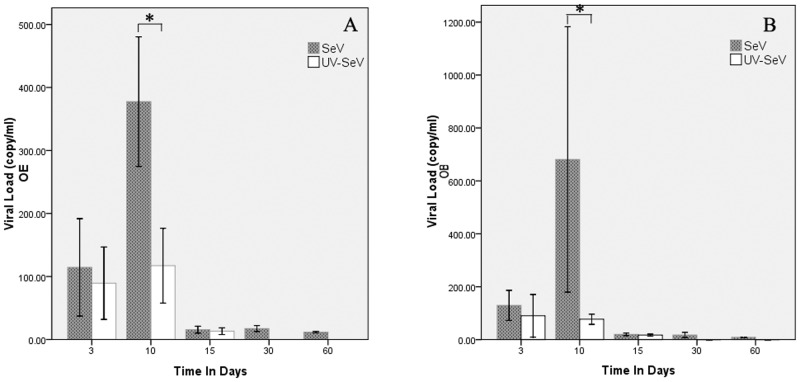
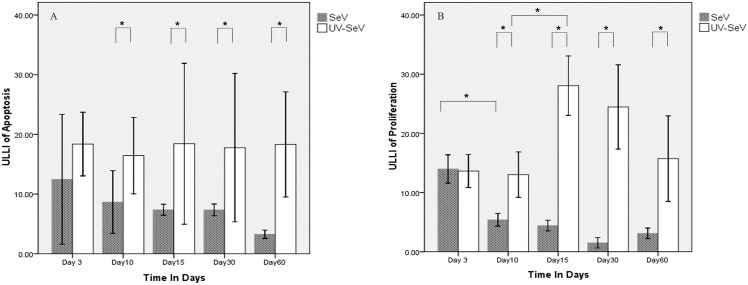
Mice infected with SeV suffered from olfactory dysfunction, peaking on day 15, with no loss observed with UV-SeV. At 60 days, four out of 12 mice infected with SeV still had not recovered, with continued normal function in controls. Viral copies of SeV persisted in both the olfactory epithelium (OE) and the olfactory bulb (OB) for at least 60 days. At day 10 and after, both unit length labeling index (ULLI) of apoptosis and ULLI of proliferation in the SeV group was markedly less than the UV-SeV group. In primary cultured OSNs infected by SeV, the percentage of cells responding to mixed odors was markedly lower in the SeV group compared to UV-SeV (P = 0.007).
We demonstrate that SeV impairs olfaction, persists in OE and OB tissue, reduces their regenerative ability, and impairs the normal physiological function of OSNs without gross cytopathology. This mouse model shares key features of human post-viral olfactory loss, supporting its future use in studies of PVOD. Further testing and development of this model should allow us to clarify the pathophysiology of PVOD.
病毒感染是嗅觉功能障碍的常见原因。研究人类病毒感染后嗅觉丧失的复杂性阻碍了对潜在机制理解的进一步进展。最近,临床研究证据表明副流感病毒3是致病因子。病毒感染后嗅觉障碍(PVOD)的动物模型将有助于更好地理解疾病发病机制,并代表该领域的一项重大进展。
通过评估仙台病毒(SeV,副流感病毒的鼠类对应物)对嗅觉功能和嗅上皮再生能力的影响,建立PVOD小鼠模型。
将C57BL/6小鼠(6 - 8月龄)经鼻接种SeV或紫外线(UV)灭活病毒(UV - SeV)。在感染后第3、10、15、30和60天,采集嗅上皮,通过组织病理学和S期细胞核的免疫组化检测进行分析。我们还通过TUNEL法检测细胞凋亡,通过实时PCR检测病毒载量。在第60天使用埋食试验(BFT)测量小鼠的嗅觉功能。同时,通过测量fura - 4 AM法指示的细胞内钙浓度变化,检测感染SeV或UV - SeV的原代培养鼠嗅觉感觉神经元(OSN)对气味混合物的反应。
感染SeV的小鼠出现嗅觉功能障碍,在第15天达到峰值,而UV - SeV感染组未观察到嗅觉丧失。在60天时,12只感染SeV的小鼠中有4只仍未恢复,而对照组功能持续正常。SeV的病毒拷贝在嗅上皮(OE)和嗅球(OB)中持续存在至少60天。在第10天及之后,SeV组的凋亡单位长度标记指数(ULLI)和增殖ULLI均明显低于UV - SeV组。在SeV感染的原代培养OSN中,与UV - SeV组相比,SeV组对混合气味有反应的细胞百分比明显更低(P = 0.007)。
我们证明SeV损害嗅觉,在OE和OB组织中持续存在,降低其再生能力,并损害OSN的正常生理功能,且无明显细胞病理学改变。该小鼠模型具有人类病毒感染后嗅觉丧失的关键特征,支持其未来用于PVOD研究。对该模型的进一步测试和开发应能使我们阐明PVOD的病理生理学。