Perugino Cory A, Wallace Zachary S, Meyersohn Nandini, Oliveira George, Stone James R, Stone John H
Massachusetts General Hospital, Boston, MA.
Medicine (Baltimore). 2016 Jul;95(28):e3344. doi: 10.1097/MD.0000000000003344.
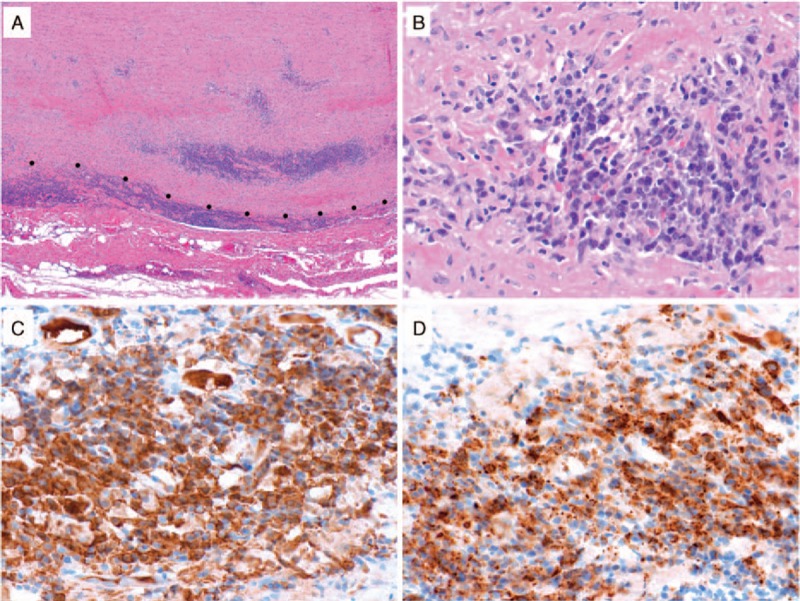
IgG4-related disease (IgG4-RD) is an immune-mediated fibroinflammatory condition that can affect multiple organs and lead to tumefactive, tissue-destructive lesions. Reports have described inflammatory aortitis and periaortitis, the latter in the setting of retroperitoneal fibrosis (RPF), but have not distinguished adequately between these 2 manifestations. The frequency, radiologic features, and response of vascular complications to B cell depletion remain poorly defined. We describe the clinical features, radiology findings, and treatment response in a cohort of 36 patients with IgG4-RD affecting large blood vessels.
Clinical records of all patients diagnosed with IgG4-RD in our center were reviewed. All radiologic studies were reviewed. We distinguished between primary large blood vessel inflammation and secondary vascular involvement. Primary involvement was defined as inflammation in the blood vessel wall as a principal focus of disease. Secondary vascular involvement was defined as disease caused by the effects of adjacent inflammation on the blood vessel wall.
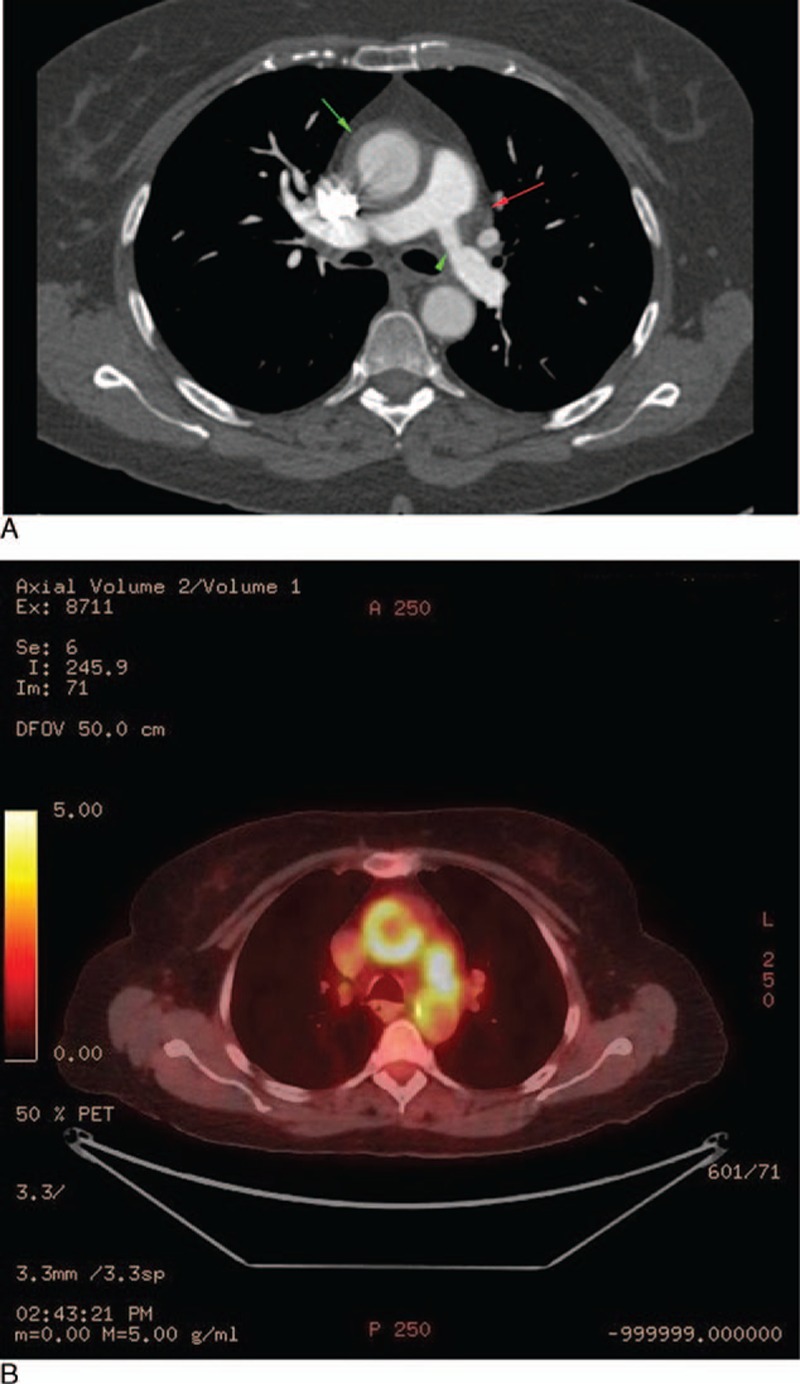
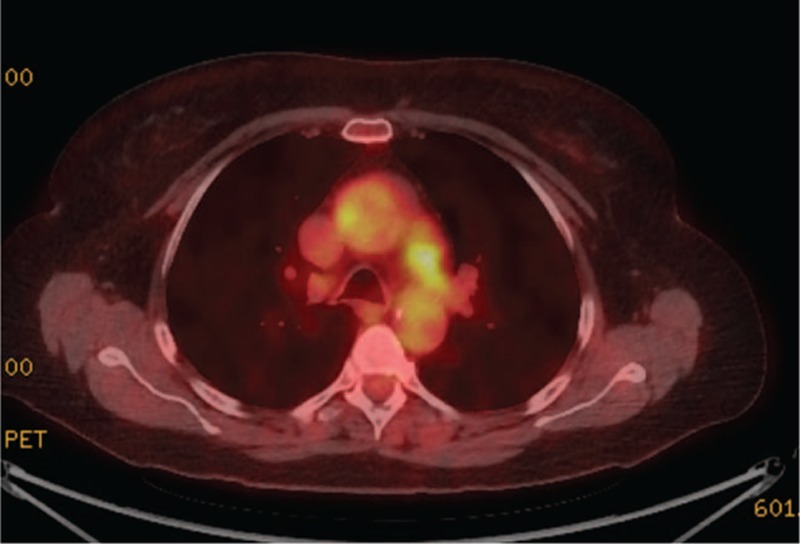
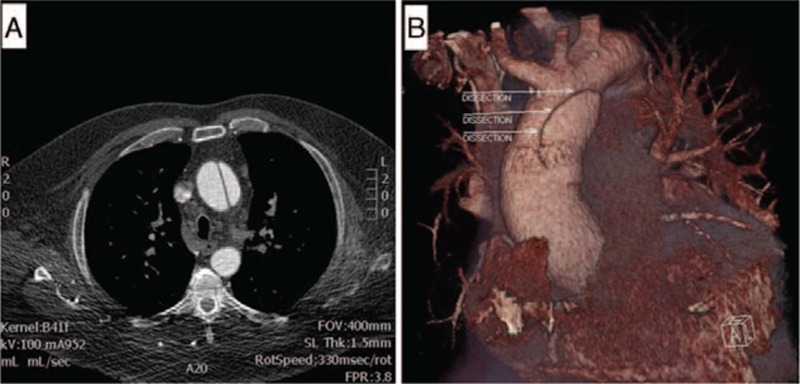
Of the 160 IgG4-RD patients in this cohort, 36 (22.5%) had large-vessel involvement. The mean age at disease onset of the patients with large-vessel IgG4-RD was 54.6 years. Twenty-eight patients (78%) were male and 8 (22%) were female. Thirteen patients (36%) had primary IgG4-related vasculitis and aortitis with aneurysm formation comprised the most common manifestation. This affected 5.6% of the entire IgG4-RD cohort and was observed in the thoracic aorta in 8 patients, the abdominal aorta in 4, and both the thoracic and abdominal aorta in 3. Three of these aneurysms were complicated by aortic dissection or contained perforation. Periaortitis secondary to RPF accounted for 27 of 29 patients (93%) of secondary vascular involvement by IgG4-RD. Only 5 patients demonstrated evidence of both primary and secondary blood vessel involvement. Of those treated with rituximab, a majority responded positively.
IgG4-RD is a distinctive, unique, and treatable cause of large-vessel vasculitis. It can also involve blood vessels secondary to perivascular tumefactive lesions. The most common manifestation of IgG4-related vasculitis is aortitis with aneurysm formation. The most common secondary vascular manifestation is periaortitis with relative sparing of the aortic wall. Both primary vasculitis and secondary vascular involvement respond well to B cell depletion therapy.
IgG4相关性疾病(IgG4-RD)是一种免疫介导的纤维炎症性疾病,可累及多个器官并导致肿块样、组织破坏性病变。已有报告描述了炎症性主动脉炎和主动脉周炎,后者见于腹膜后纤维化(RPF),但对这两种表现的区分尚不充分。血管并发症的发生率、影像学特征以及对B细胞清除的反应仍不明确。我们描述了36例累及大血管的IgG4-RD患者的临床特征、影像学表现及治疗反应。
回顾了本中心所有诊断为IgG4-RD患者的临床记录。对所有影像学检查进行了回顾。我们区分了原发性大血管炎症和继发性血管受累。原发性受累定义为血管壁炎症为主要疾病焦点。继发性血管受累定义为相邻炎症对血管壁影响所致的疾病。
在该队列的160例IgG4-RD患者中,36例(22.5%)有大血管受累。大血管IgG4-RD患者的发病平均年龄为54.6岁。28例(78%)为男性,8例(22%)为女性。13例(36%)有原发性IgG4相关性血管炎,主动脉炎伴动脉瘤形成是最常见的表现。这占整个IgG4-RD队列的5.6%,8例见于胸主动脉,4例见于腹主动脉,3例见于胸主动脉和腹主动脉。其中3个动脉瘤并发主动脉夹层或有穿孔。RPF继发的主动脉周炎占IgG4-RD继发性血管受累29例患者中的27例(93%)。只有5例患者有原发性和继发性血管受累的证据。在接受利妥昔单抗治疗的患者中,大多数反应良好。
IgG4-RD是大血管血管炎的一种独特、可治疗的病因。它也可累及血管周围肿块样病变继发的血管。IgG4相关性血管炎最常见的表现是主动脉炎伴动脉瘤形成。最常见的继发性血管表现是主动脉周炎,主动脉壁相对 spared。原发性血管炎和继发性血管受累对B细胞清除疗法均反应良好。