Brégnard Christelle, Guerra Jessica, Déjardin Stéphanie, Passalacqua Frank, Benkirane Monsef, Laguette Nadine
Institute of Human Genetics, CNRS UPR1142, Molecular Basis of Cancer-Related Inflammation Laboratory, University of Montpellier, Montpellier, France.
Institute of Human Genetics, CNRS UPR1142, Molecular Virology Laboratory, University of Montpellier, Montpellier, France.
EBioMedicine. 2016 Jun;8:184-194. doi: 10.1016/j.ebiom.2016.05.005. Epub 2016 May 6.
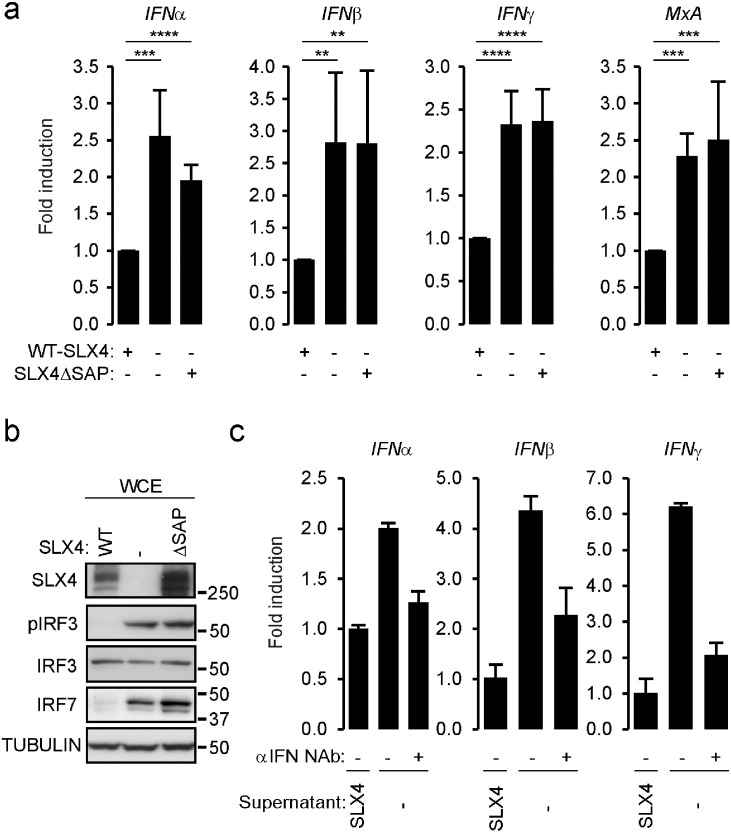
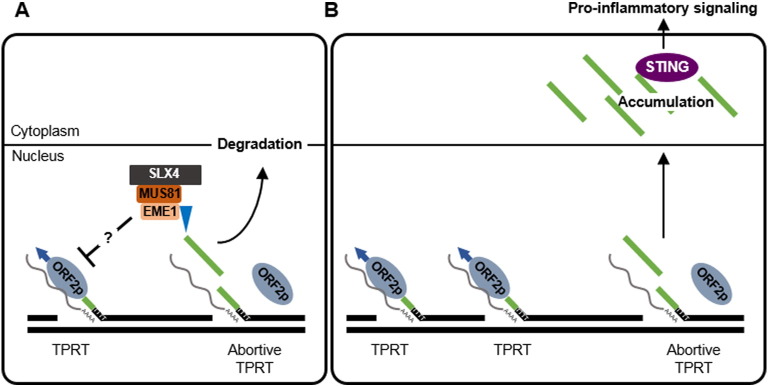
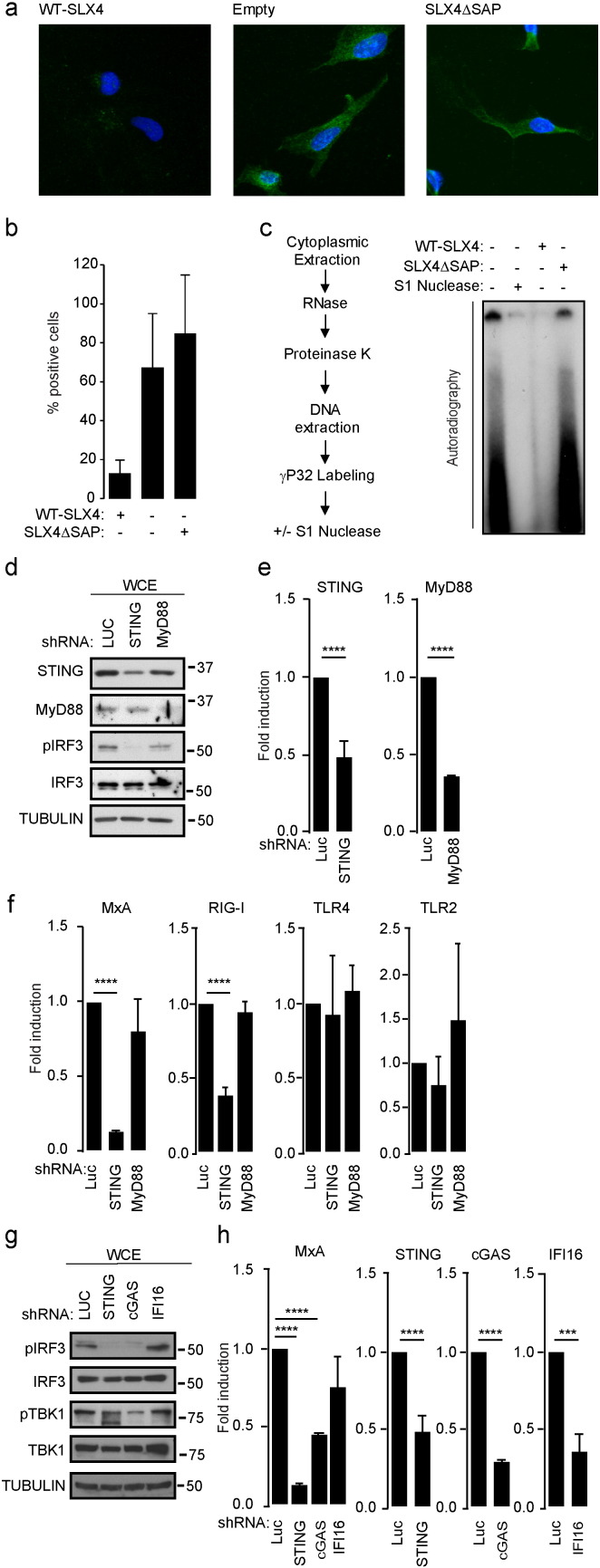
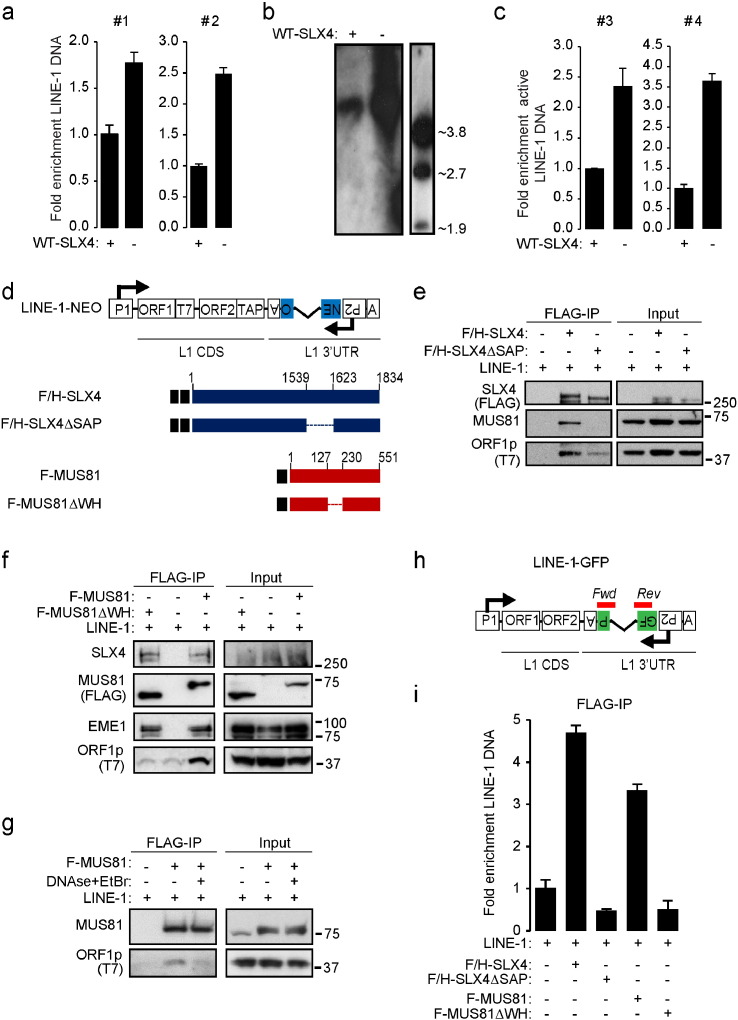
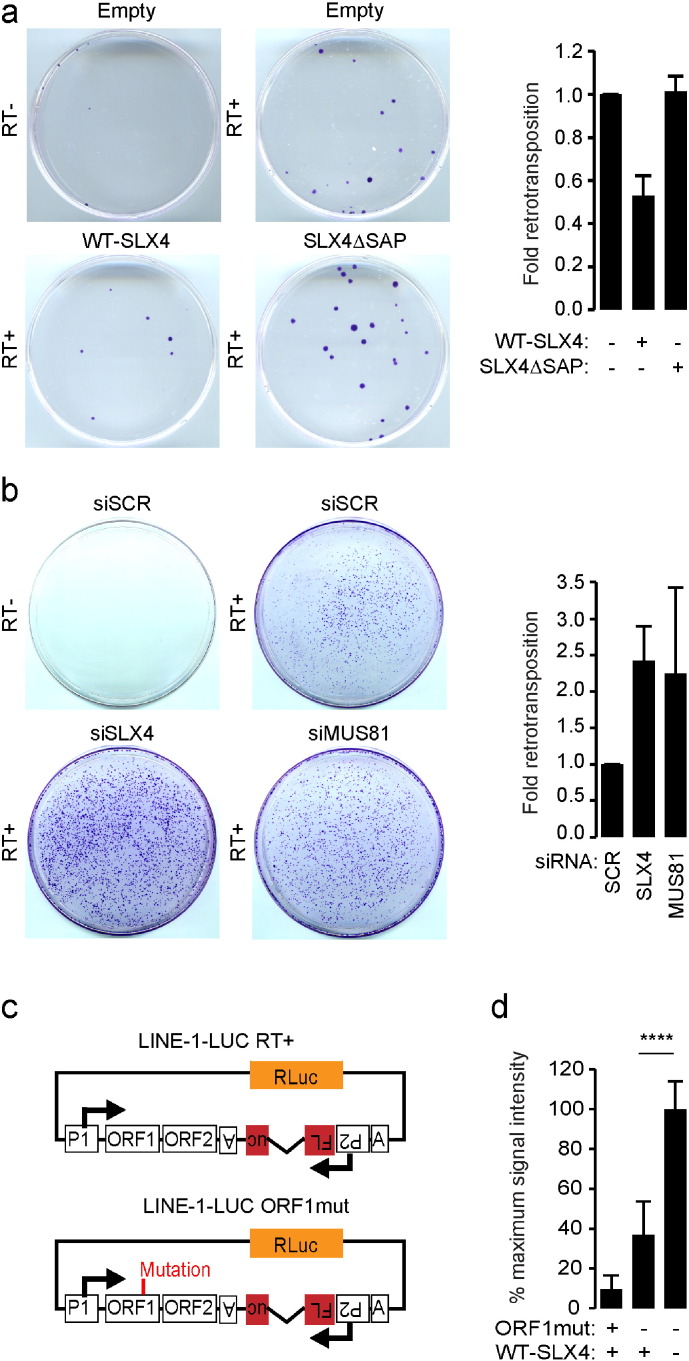
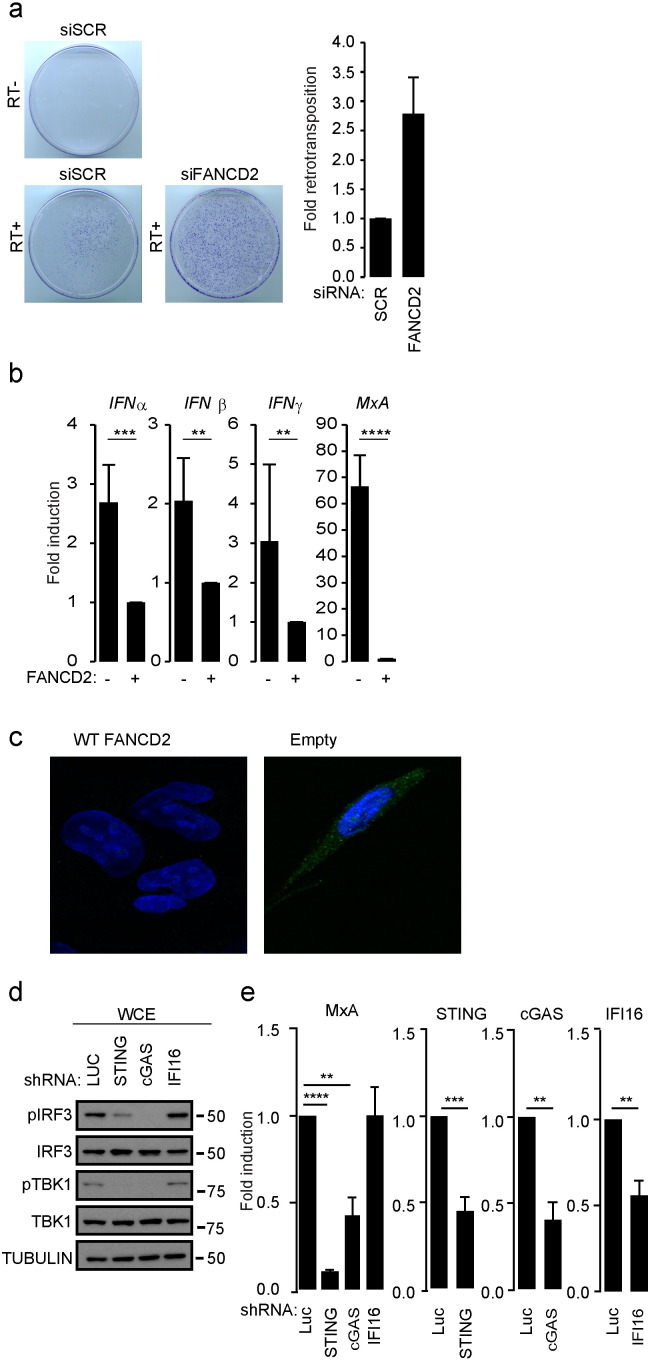
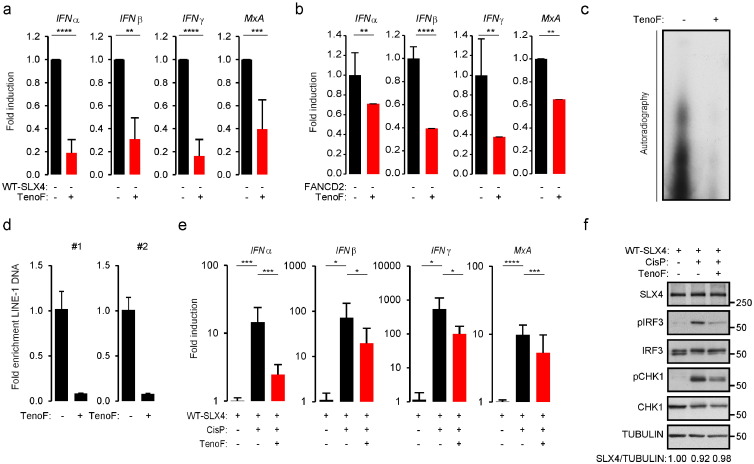
Fanconi Anemia (FA) is a genetic disorder characterized by elevated cancer susceptibility and pro-inflammatory cytokine production. Using SLX4(FANCP) deficiency as a working model, we questioned the trigger for chronic inflammation in FA. We found that absence of SLX4 caused cytoplasmic DNA accumulation, including sequences deriving from active Long INterspersed Element-1 (LINE-1), triggering the cGAS-STING pathway to elicit interferon (IFN) expression. In agreement, absence of SLX4 leads to upregulated LINE-1 retrotransposition. Importantly, similar results were obtained with the FANCD2 upstream activator of SLX4. Furthermore, treatment of FA cells with the Tenofovir reverse transcriptase inhibitor (RTi), that prevents endogenous retrotransposition, decreased both accumulation of cytoplasmic DNA and pro-inflammatory signaling. Collectively, our data suggest a contribution of endogenous RT activities to the generation of immunogenic cytoplasmic nucleic acids responsible for inflammation in FA. The additional observation that RTi decreased pro-inflammatory cytokine production induced by DNA replication stress-inducing drugs further demonstrates the contribution of endogenous RTs to sustaining chronic inflammation. Altogether, our data open perspectives in the prevention of adverse effects of chronic inflammation in tumorigenesis.
范可尼贫血(FA)是一种遗传性疾病,其特征是癌症易感性增加和促炎细胞因子产生。以SLX4(FANCP)缺陷作为研究模型,我们探究了FA中慢性炎症的触发因素。我们发现,SLX4的缺失导致细胞质DNA积累,包括来自活跃长散在核元件1(LINE-1)的序列,从而触发cGAS-STING通路以引发干扰素(IFN)表达。与此一致,SLX4的缺失导致LINE-1逆转录转座上调。重要的是,使用SLX4的上游激活剂FANCD2也得到了类似结果。此外,用替诺福韦逆转录酶抑制剂(RTi)处理FA细胞,该抑制剂可防止内源性逆转录转座,减少了细胞质DNA积累和促炎信号传导。总体而言,我们的数据表明内源性RT活性有助于产生导致FA炎症的免疫原性细胞质核酸。RTi降低了由DNA复制应激诱导药物引起的促炎细胞因子产生这一额外观察结果进一步证明了内源性RTs对维持慢性炎症的作用。总之,我们的数据为预防慢性炎症在肿瘤发生中的不良反应开辟了新的视角。