Fuereder Thorsten
Dept. of Internal Medicine I & CCC, Medical University of Vienna, Währinger Gürtel 18-20, 1090 Vienna, Austria.
Memo. 2016;9:66-69. doi: 10.1007/s12254-016-0270-8. Epub 2016 Jun 20.
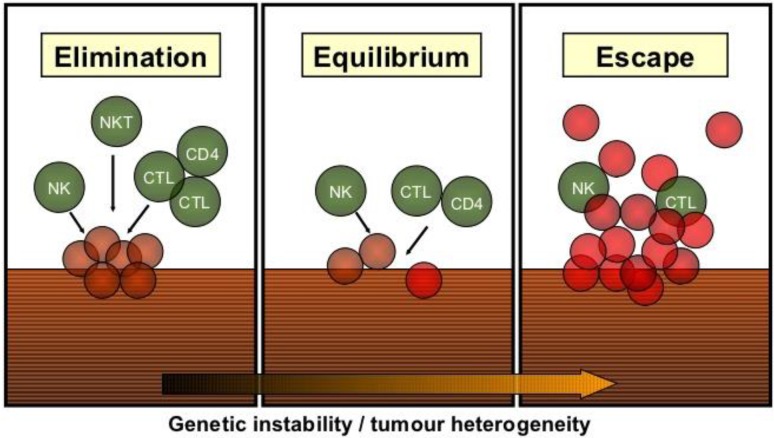
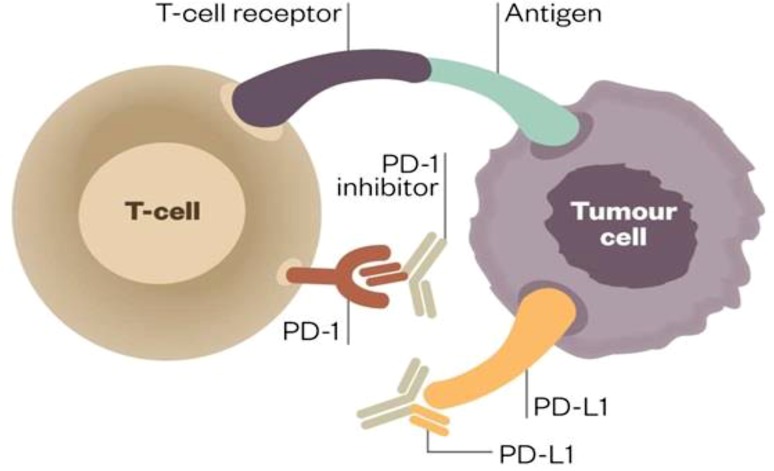
Over the past years immuno-oncology has evolved and become a novel promising strategy for cancer therapy. Immune checkpoint inhibitors such as pembrolizumab or nivolumab, which target the interaction between programmed death receptor 1/programmed death ligand 1 (PD-1/PDL-1) and PDL-2, have been recently approved for the treatment of various malignancies and are currently being investigated in clinical phase III trials for head and neck squamous cell carcinoma (HNSCC). Data available from these trials indicate substantial activity accompanied by a favorable safety and toxicity profile in this patient population. This review article focuses on the molecular background, gives an overview of current clinical data of checkpoint inhibitors in HNSCC, and points out future challenges such as the need for appropriate biomarkers for these novel compounds.
在过去几年中,免疫肿瘤学不断发展,已成为一种颇具前景的新型癌症治疗策略。免疫检查点抑制剂,如帕博利珠单抗或纳武利尤单抗,可靶向程序性死亡受体1/程序性死亡配体1(PD-1/PDL-1)与PDL-2之间的相互作用,最近已被批准用于治疗多种恶性肿瘤,目前正在针对头颈部鳞状细胞癌(HNSCC)进行III期临床试验研究。这些试验所获得的数据表明,该患者群体在使用这些药物后具有显著疗效,且安全性和毒性方面表现良好。本文综述聚焦于其分子背景,概述了检查点抑制剂在HNSCC中的当前临床数据,并指出了未来的挑战,如需要为这些新型化合物寻找合适的生物标志物。