Rassner Sara M E, Anesio Alexandre M, Girdwood Susan E, Hell Katherina, Gokul Jarishma K, Whitworth David E, Edwards Arwyn
Institute of Biological, Rural and Environmental Sciences, Aberystwyth UniversityAberystwyth, UK; Department of Geography and Earth Sciences, Aberystwyth UniversityAberystwyth, UK.
School of Geographical Sciences, Bristol Glaciology Centre, University of Bristol Bristol, UK.
Front Microbiol. 2016 Jun 21;7:956. doi: 10.3389/fmicb.2016.00956. eCollection 2016.
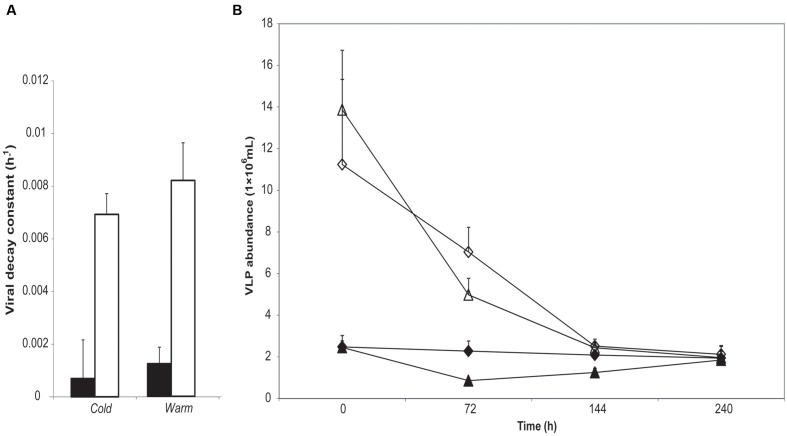
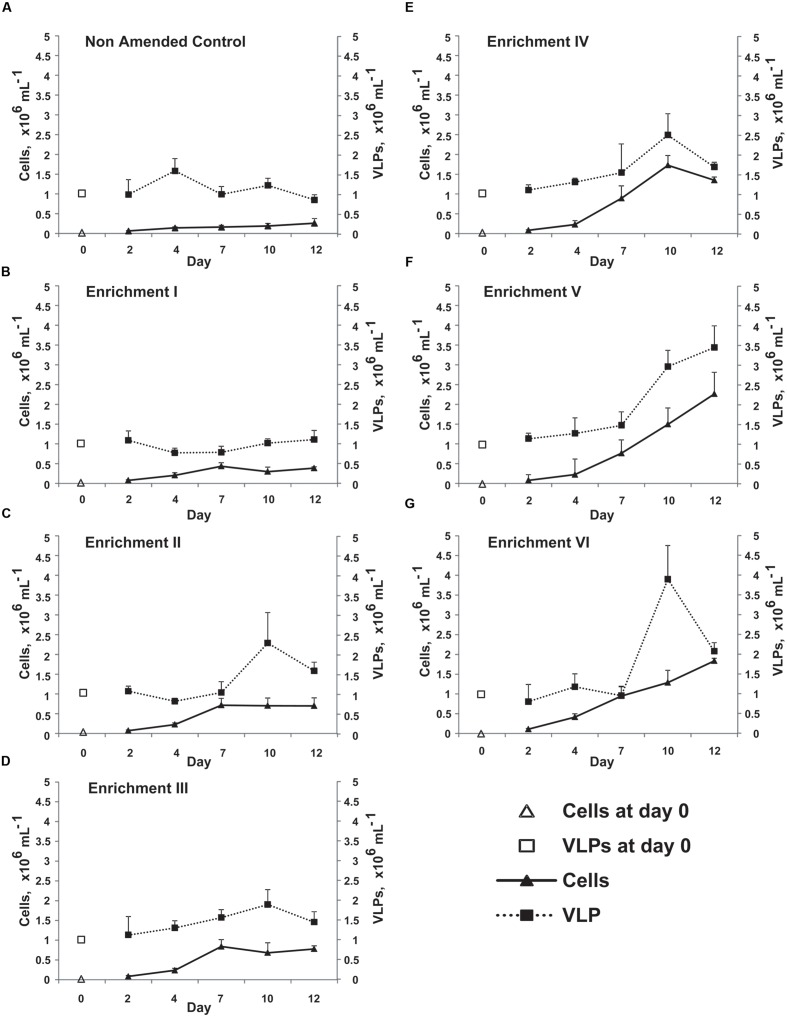
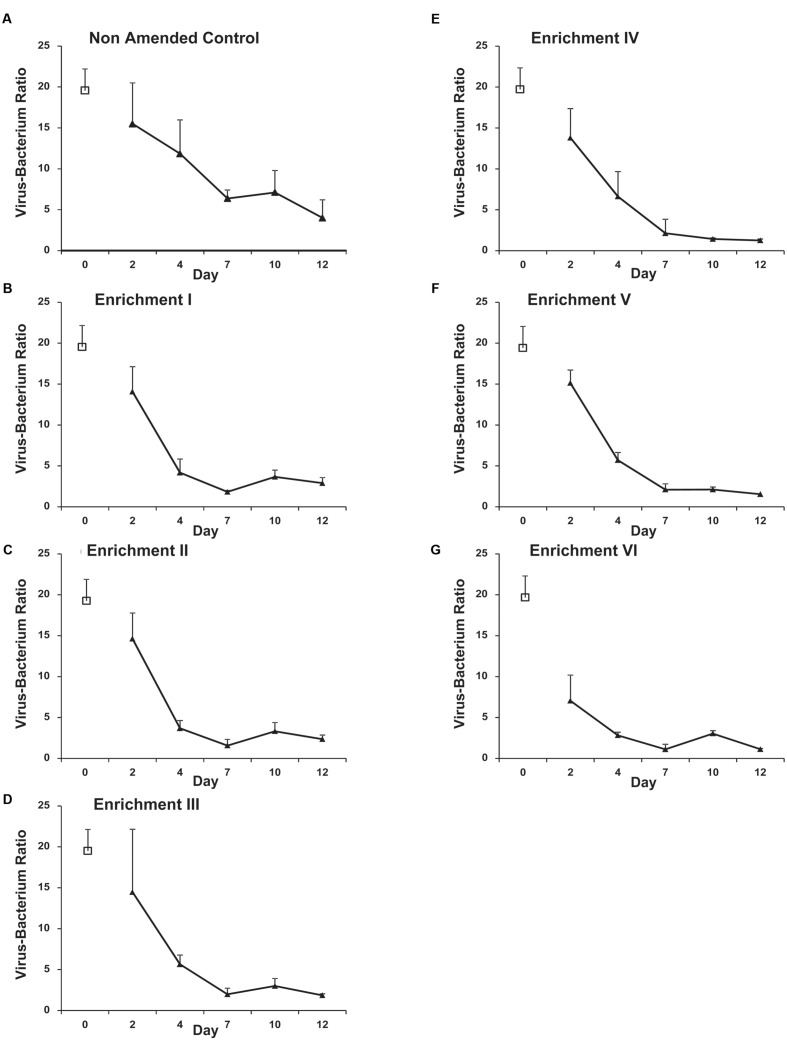
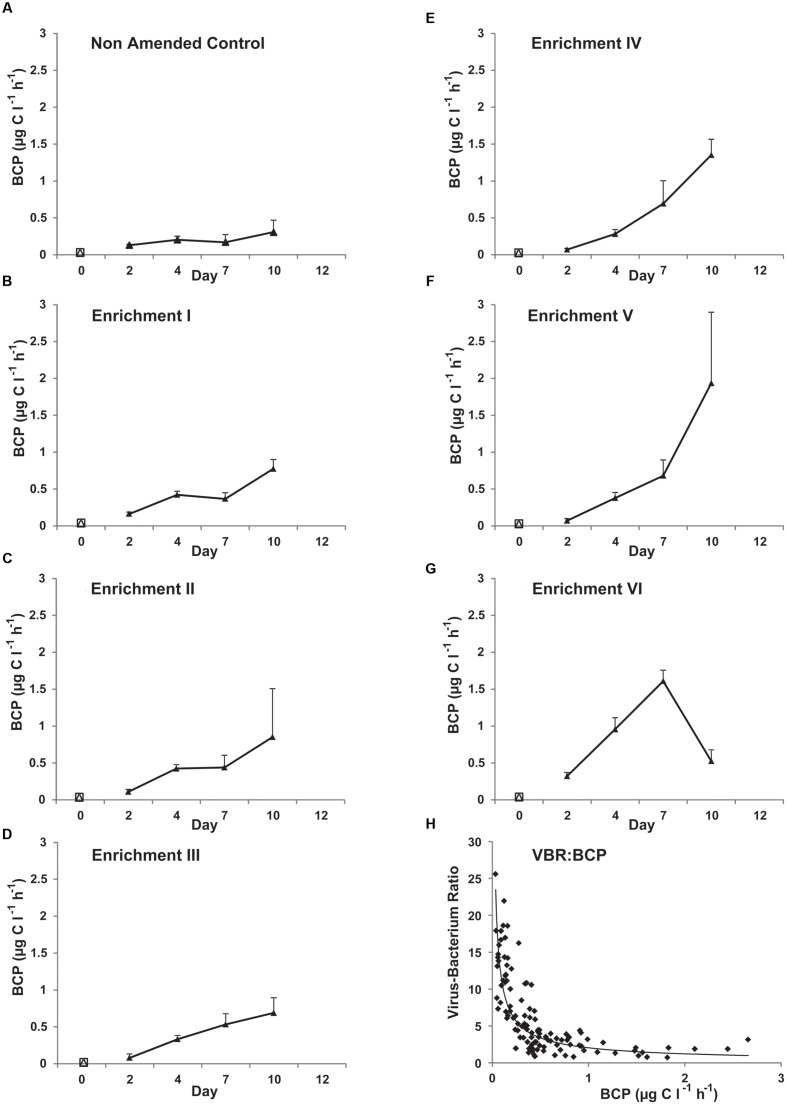
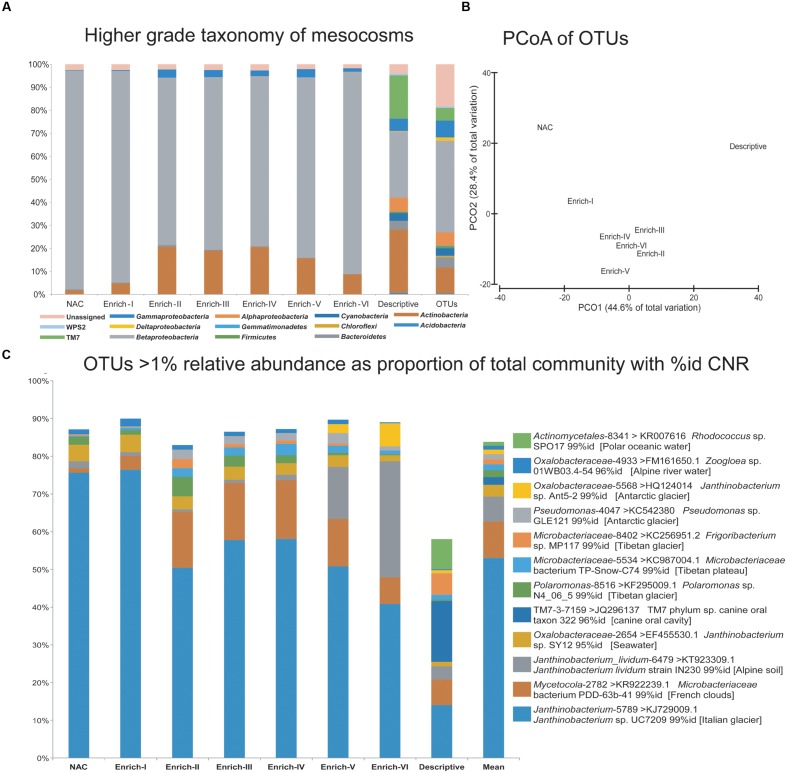
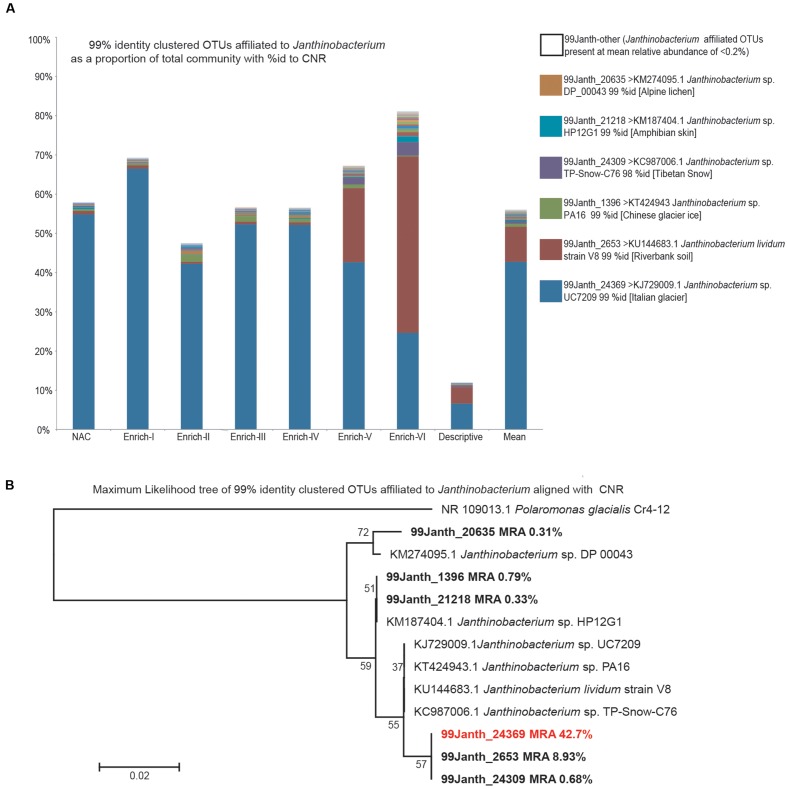
Glacial ice surfaces represent a seasonally evolving three-dimensional photic zone which accumulates microbial biomass and potentiates positive feedbacks in ice melt. Since viruses are abundant in glacial systems and may exert controls on supraglacial bacterial production, we examined whether changes in resource availability would promote changes in the bacterial community and the dynamics between viruses and bacteria of meltwater from the photic zone of a Svalbard glacier. Our results indicated that, under ambient nutrient conditions, low estimated viral decay rates account for a strong viral control of bacterial productivity, incurring a potent viral shunt of a third of bacterial carbon in the supraglacial microbial loop. Moreover, it appears that virus particles are very stable in supraglacial meltwater, raising the prospect that viruses liberated in melt are viable downstream. However, manipulating resource availability as dissolved organic carbon, nitrogen, and phosphorous in experimental microcosms demonstrates that the photic zone bacterial communities can escape viral control. This is evidenced by a marked decline in virus-to-bacterium ratio (VBR) concomitant with increased bacterial productivity and number. Pyrosequencing shows a few bacterial taxa, principally Janthinobacterium sp., dominate both the source meltwater and microcosm communities. Combined, our results suggest that viruses maintain high VBR to promote contact with low-density hosts, by the manufacture of robust particles, but that this necessitates a trade-off which limits viral production. Consequently, dominant bacterial taxa appear to access resources to evade viral control. We propose that a delicate interplay of bacterial and viral strategies affects biogeochemical cycling upon glaciers and, ultimately, downstream ecosystems.
冰川冰面代表了一个随季节演变的三维光合带,该光合带积累微生物生物量并增强冰融化中的正反馈。由于病毒在冰川系统中含量丰富,并且可能对冰面细菌的生产施加控制,我们研究了资源可用性的变化是否会促进细菌群落的变化以及斯瓦尔巴德冰川光合带融水中病毒与细菌之间的动态变化。我们的结果表明,在环境营养条件下,估计的低病毒衰减率导致病毒对细菌生产力的强烈控制,在冰面微生物环中造成三分之一细菌碳的有效病毒分流。此外,病毒颗粒在冰面融水中似乎非常稳定,这增加了融水中释放的病毒在下游仍具有活性的可能性。然而,在实验微宇宙中通过控制溶解有机碳、氮和磷等资源可用性的实验表明,光合带细菌群落可以逃脱病毒的控制。这表现为病毒与细菌的比例(VBR)显著下降,同时细菌生产力和数量增加。焦磷酸测序显示,主要是詹氏菌属的一些细菌类群在源头融水和微宇宙群落中均占主导地位。综合来看,我们的结果表明,病毒通过制造坚固的颗粒来维持高VBR,以促进与低密度宿主的接触,但这需要进行权衡,从而限制了病毒的产生。因此,占主导地位的细菌类群似乎通过获取资源来逃避病毒的控制。我们认为,细菌和病毒策略之间微妙的相互作用影响着冰川上的生物地球化学循环,并最终影响下游生态系统。