Jung Tae Min, Kim Ae Ryoung, Lee Yoonju, Kim Dae-Hyun, Kim Deog Young
Department of Rehabilitation Medicine and Research Institute of Rehabilitation Medicine, Yonsei University College of Medicine, Seoul, Korea.
Department of Neurology, Yonsei University College of Medicine, Seoul, Korea.
Ann Rehabil Med. 2016 Jun;40(3):551-5. doi: 10.5535/arm.2016.40.3.551. Epub 2016 Jun 29.
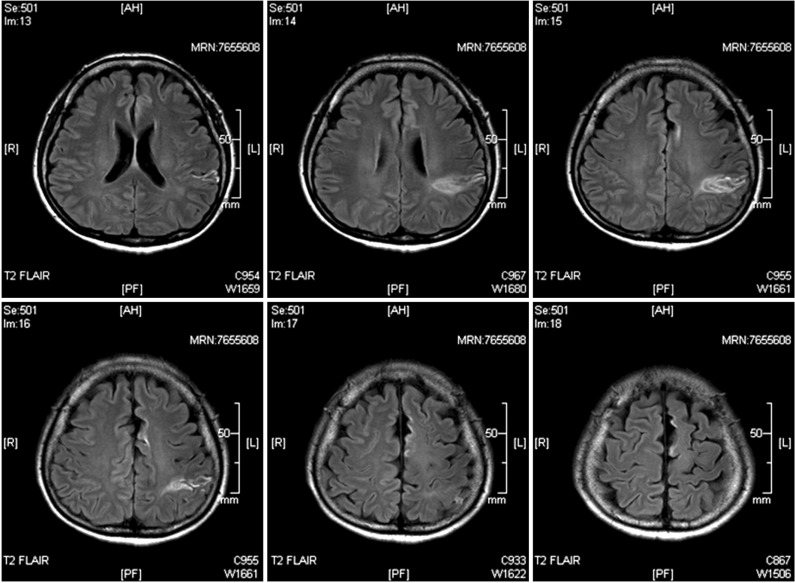
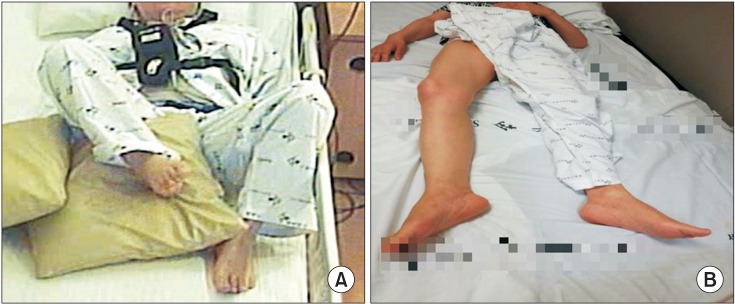
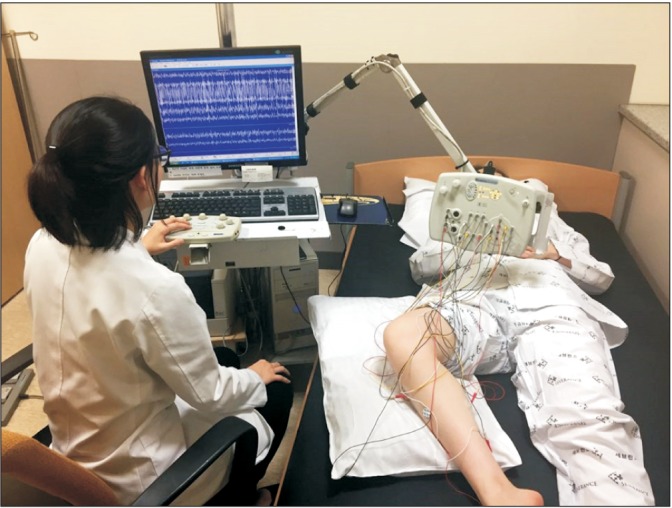
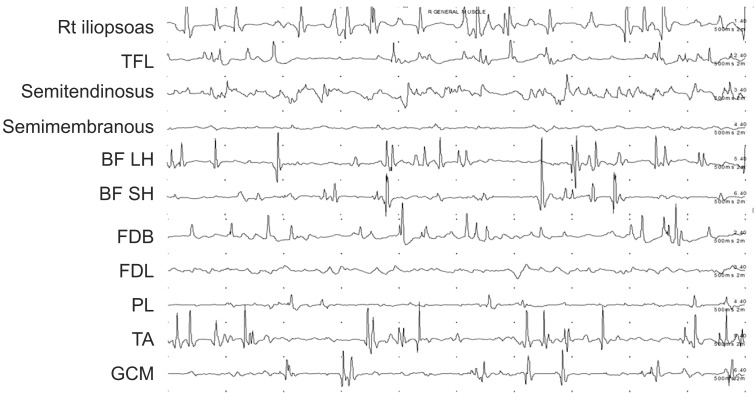
Dystonia has a wide range of causes, but treatment of dystonia is limited to minimizing the symptoms as there is yet no successful treatment for its cause. One of the optimal treatment methods for dystonia is chemodenervation using botulinum toxin type A (BTX-A), alcohol injection, etc., but its success depends on how precisely the dystonic muscle is selected. Here, we reported a successful experience in a 49-year-old post-stroke female patient who showed paroxysmal repetitive contractions involving the right leg, which may be of dystonic nature. BTX-A and alcohol were injected into the muscles which were identified by dynamic polyelectromyography. After injection, the dystonic muscle spasm, cramping pain, and the range of motion of the affected lower limb improved markedly, and she was able to walk independently indoors. In such a case, dynamic polyelectromyography may be a useful method for selecting the dominant dystonic muscles.
肌张力障碍的病因多种多样,但由于尚未找到针对其病因的成功治疗方法,肌张力障碍的治疗仅限于将症状最小化。肌张力障碍的最佳治疗方法之一是使用A型肉毒杆菌毒素(BTX-A)、酒精注射等进行化学去神经支配,但治疗成功与否取决于对肌张力障碍肌肉的选择有多精确。在此,我们报告了一位49岁中风后女性患者的成功治疗经验,该患者表现出右腿阵发性重复收缩,可能具有肌张力障碍的性质。通过动态多电极肌电图确定的肌肉注射了BTX-A和酒精。注射后,肌张力障碍性肌肉痉挛、绞痛以及受影响下肢的活动范围明显改善,她能够在室内独立行走。在这种情况下,动态多电极肌电图可能是选择主要肌张力障碍肌肉的有用方法。