Woodhead Andrea L, Sutherland Tara D, Church Jeffrey S
CSIRO Manufacturing, Pigdons Road, Waurn Ponds, VIC 3216, Australia.
CSIRO Food and Nutrition, Clunies Ross Street, Black Mountain, ACT 2601, Australia.
Int J Mol Sci. 2016 Jul 20;17(7):1170. doi: 10.3390/ijms17071170.
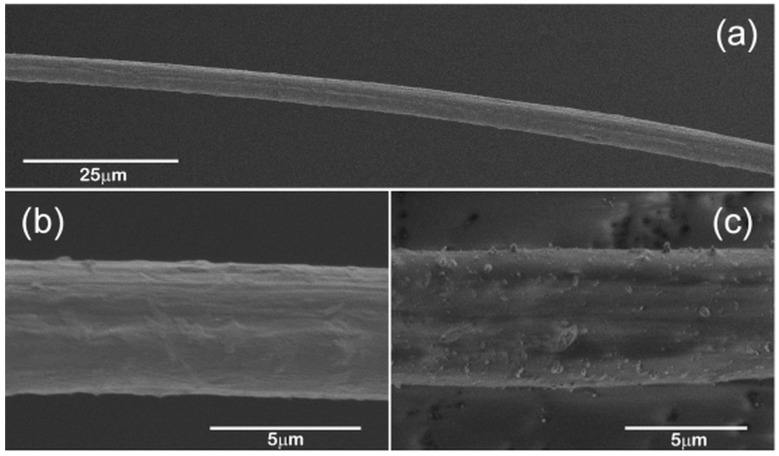
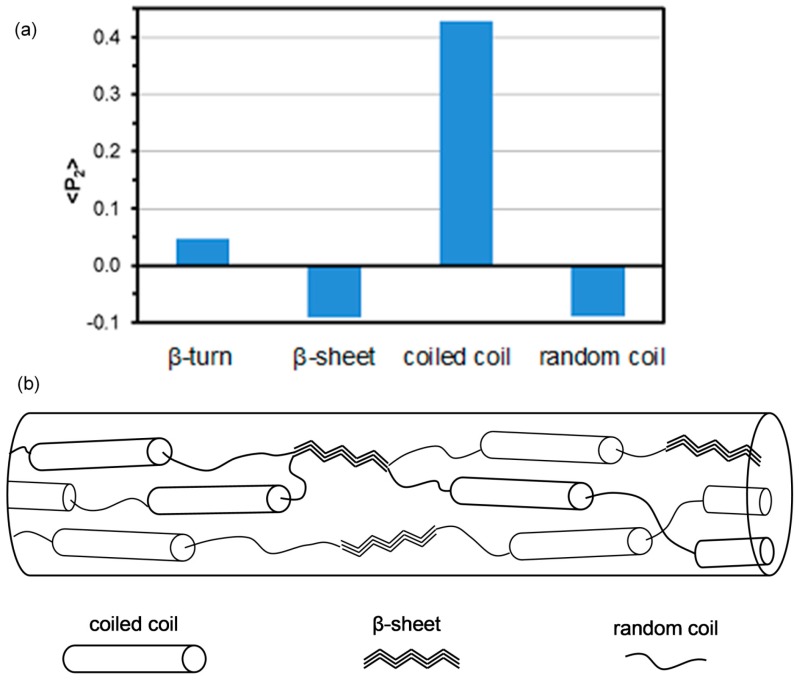
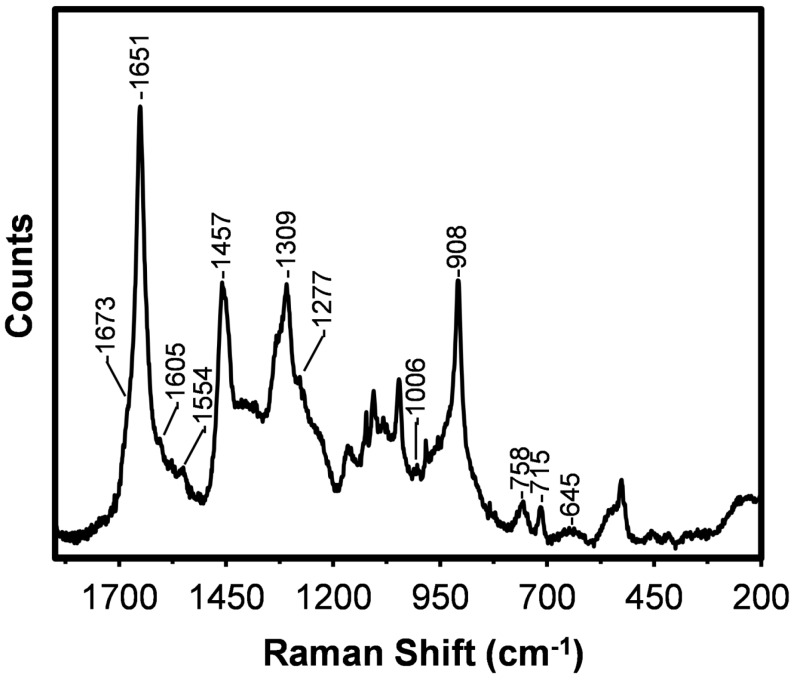
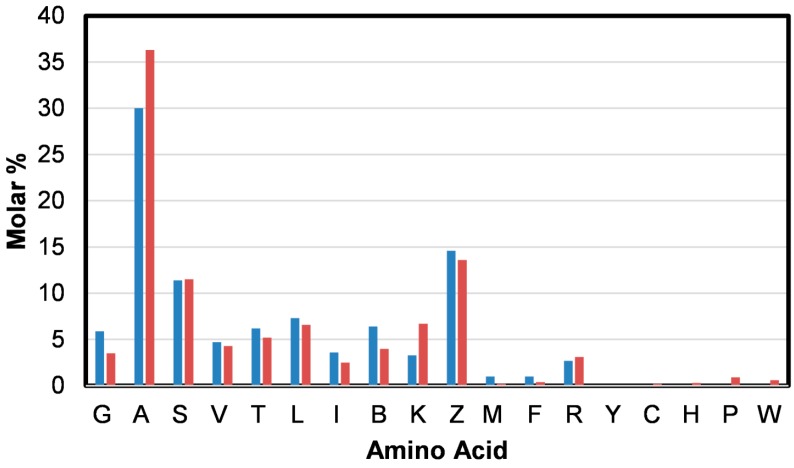
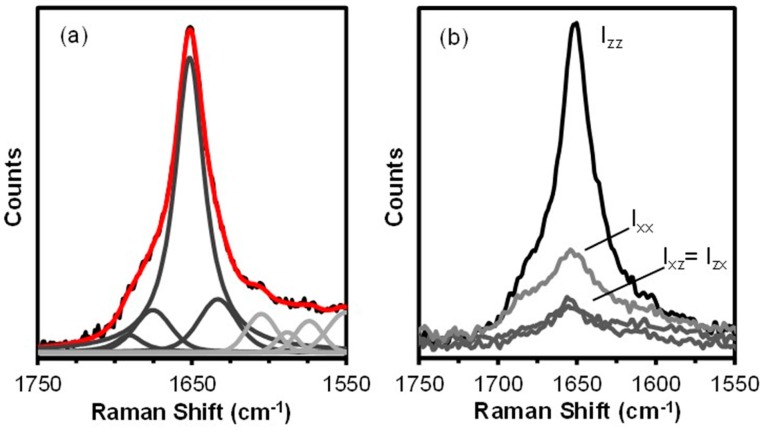
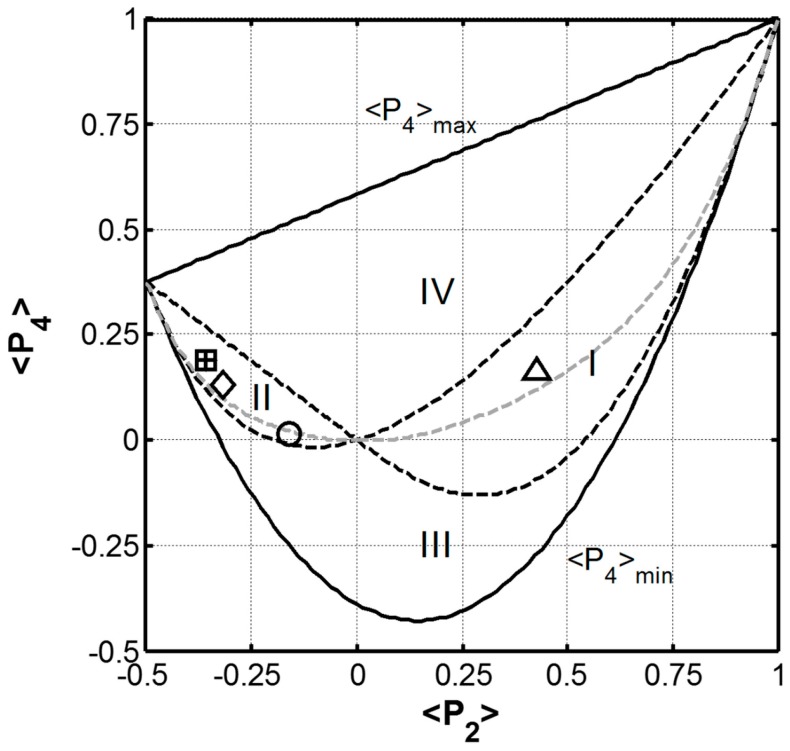
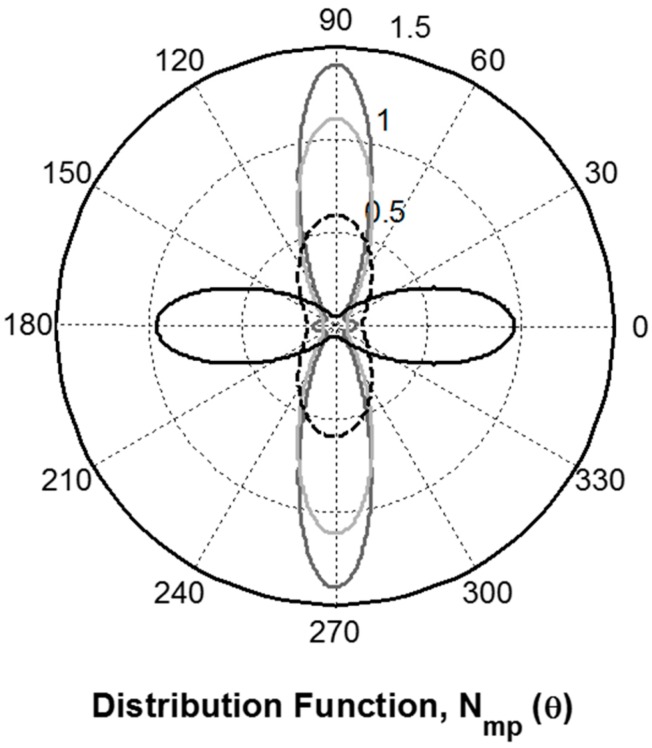
Bombus terrestris, commonly known as the buff-tailed bumblebee, is native to Europe, parts of Africa and Asia. It is commercially bred for use as a pollinator of greenhouse crops. Larvae pupate within a silken cocoon that they construct from proteins produced in modified salivary glands. The amino acid composition and protein structure of hand drawn B. terrestris, silk fibres was investigated through the use of micro-Raman spectroscopy. Spectra were obtained from single fibres drawn from the larvae salivary gland at a rate of 0.14 cm/s. Raman spectroscopy enabled the identification of poly(alanine), poly(alanine-glycine), phenylalanine, tryptophan, and methionine, which is consistent with the results of amino acid analysis. The dominant protein conformation was found to be coiled coil (73%) while the β-sheet content of 10% is, as expected, lower than those reported for hornets and ants. Polarized Raman spectra revealed that the coiled coils were highly aligned along the fibre axis while the β-sheet and random coil components had their peptide carbonyl groups roughly perpendicular to the fibre axis. The protein orientation distribution is compared to those of other natural and recombinant silks. A structural model for the B. terrestris silk fibre is proposed based on these results.
熊蜂,通常被称为 buff-tailed 大黄蜂,原产于欧洲、非洲和亚洲的部分地区。它被商业化养殖用作温室作物的传粉者。幼虫在由改良唾液腺产生的蛋白质构建的丝茧中化蛹。通过使用显微拉曼光谱研究了手工绘制的熊蜂丝纤维的氨基酸组成和蛋白质结构。光谱是从以 0.14 厘米/秒的速度从幼虫唾液腺抽出的单根纤维获得的。拉曼光谱能够识别聚(丙氨酸)、聚(丙氨酸 - 甘氨酸)、苯丙氨酸、色氨酸和蛋氨酸,这与氨基酸分析结果一致。发现主要的蛋白质构象是卷曲螺旋(73%),而 10% 的β-折叠含量,正如预期的那样,低于黄蜂和蚂蚁的报道。偏振拉曼光谱表明,卷曲螺旋沿着纤维轴高度排列,而β-折叠和无规卷曲成分的肽羰基大致垂直于纤维轴。将蛋白质取向分布与其他天然和重组丝的进行了比较。基于这些结果提出了熊蜂丝纤维的结构模型。