Pinyol Carme, Cepeda Jose Mª, Roldan Inmaculada, Roldan Vanesa, Jimenez Silvia, Gonzalez Paloma, Soto Javier
INNOVA Strategic Consulting, Barcelona, Spain.
Internal Medicine Department, Hospital Comarcal Vega Baja, Orihuela, Alicante, Spain.
Cardiol Ther. 2016 Dec;5(2):171-186. doi: 10.1007/s40119-016-0066-2. Epub 2016 Jul 25.
Economic evaluations are becoming increasingly important due to limitations in economic resources, the expense of many new treatments, the need to allocate health spending as effectively as possible, and the need to inform decision makers. Based on the data from the apixaban studies (ARISTOTLE and AVERROES), several economic evaluations have been performed in various countries to demonstrate the efficacy of apixaban versus warfarin and aspirin or other new oral anticoagulants (NOACs) for preventing stroke in patients with non-valvular atrial fibrillation (NVAF).The aim of this study was to perform a systematic literature review of published economic evaluations with apixaban in the indication of stroke prevention in patients with NVAF.
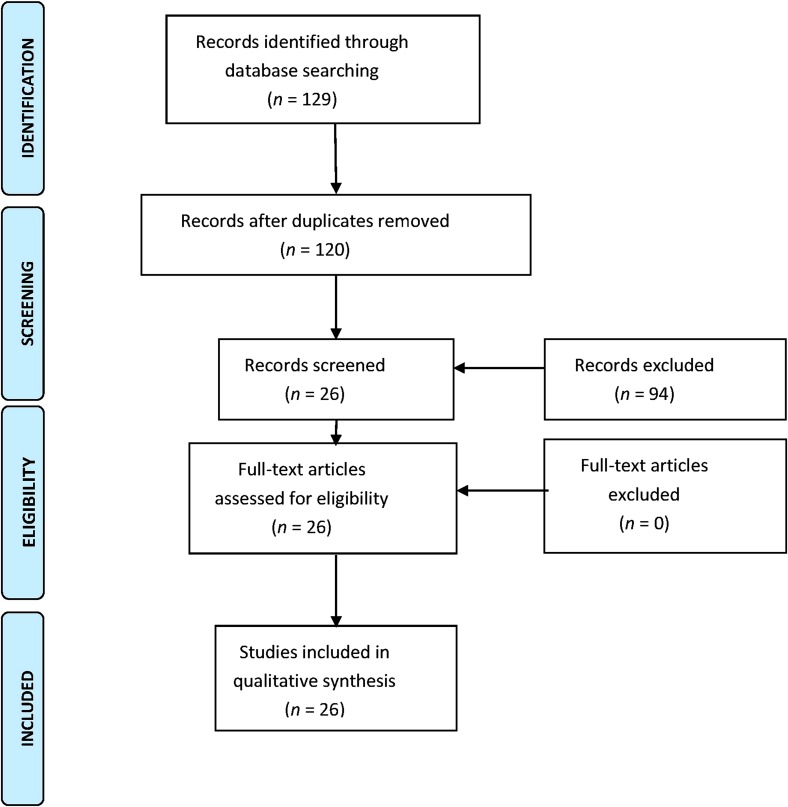
A search in PubMed, Cochrane Library, Google Scholar, and Index Medicus Español was conducted in June 2015. Inclusion and exclusion criteria were established. The main characteristics were recorded for all relevant articles after being reviewed. In addition, a weighted version of the Drummond's checklist was used to further assess the quality of the selected studies.
After review, 26 cost-effectiveness analyses through Markov models were included; the identified economic evaluations represent different willingness-to-pay (WTP) thresholds, discount rates, medical costs, and healthcare systems. Apixaban was compared with warfarin/acenocoumarol in 7 of them (27%), with warfarin/NOACs in 14 (54%), with aspirin in 2 (8%), and with warfarin/aspirin in 3 (11%). Models were conducted from Europe (69%), USA (23%), Australia (4%), and Latin America (4%). All models reported cost/quality-adjusted life years (QALYs) gained, 92% reported using a payer perspective, and 8% using a societal perspective; the median quality score of the selected studies was 89 (out of 119), with a range of 55-103. In models performed in Europe, incremental cost-effectiveness ratios (ICERs) of apixaban versus warfarin ranged from €5607/QALY to €57,245/QALY, while ICERs versus aspirin ranged from being dominant to €7334/QALY. In models carried out in the USA, ICERs of apixaban versus warfarin ranged from being dominant to $93,063/QALY.
Different cost-effectiveness analyses suggest that apixaban is a cost-effective therapeutic option according to the WTP thresholds used in countries where cost-effectiveness analyses, were performed.
BMS and Pfizer.
由于经济资源有限、许多新疗法费用高昂、需要尽可能有效地分配卫生支出以及为决策者提供信息的必要性,经济评估正变得越来越重要。基于阿哌沙班研究(ARISTOTLE和AVERROES)的数据,各国已进行了多项经济评估,以证明阿哌沙班与华法林、阿司匹林或其他新型口服抗凝剂(NOACs)相比,在预防非瓣膜性心房颤动(NVAF)患者中风方面的疗效。本研究的目的是对已发表的关于阿哌沙班用于NVAF患者中风预防的经济评估进行系统的文献综述。
2015年6月在PubMed、Cochrane图书馆、谷歌学术和西班牙医学索引数据库进行了检索。制定了纳入和排除标准。对所有相关文章进行评审后记录其主要特征。此外,使用了Drummond清单的加权版本来进一步评估所选研究的质量。
评审后,纳入了26项通过马尔可夫模型进行的成本效益分析;所确定的经济评估代表了不同的支付意愿(WTP)阈值、贴现率、医疗成本和医疗保健系统。其中7项(27%)将阿哌沙班与华法林/醋硝香豆素进行了比较,14项(54%)将阿哌沙班与华法林/NOACs进行了比较,2项(8%)将阿哌沙班与阿司匹林进行了比较,3项(11%)将阿哌沙班与华法林/阿司匹林进行了比较。模型来自欧洲(69%)、美国(23%)、澳大利亚(4%)和拉丁美洲(4%)。所有模型均报告了获得的成本/质量调整生命年(QALY),92%的模型采用支付方视角,8%的模型采用社会视角;所选研究的质量得分中位数为89(满分119),范围为55 - 103。在欧洲进行的模型中,阿哌沙班与华法林相比的增量成本效益比(ICER)范围为5607欧元/QALY至57245欧元/QALY,而与阿司匹林相比的ICER范围从占优到7334欧元/QALY。在美国进行的模型中,阿哌沙班与华法林相比的ICER范围从占优到93063美元/QALY。
不同的成本效益分析表明,根据进行成本效益分析的国家所使用的WTP阈值,阿哌沙班是一种具有成本效益的治疗选择。
百时美施贵宝公司和辉瑞公司。