An Yi-Min, Song Li-Li, Liu Ying-Rui, Shu Yong-Jun, Guo Chang-Hong
State Key Laboratory of Molecular Genetics, Harbin Normal University Harbin, China.
Front Plant Sci. 2016 Jul 4;7:931. doi: 10.3389/fpls.2016.00931. eCollection 2016.
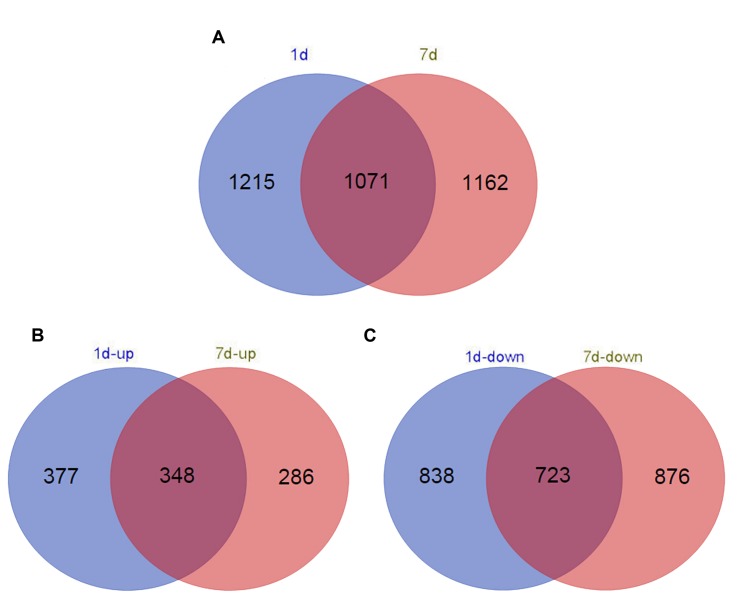
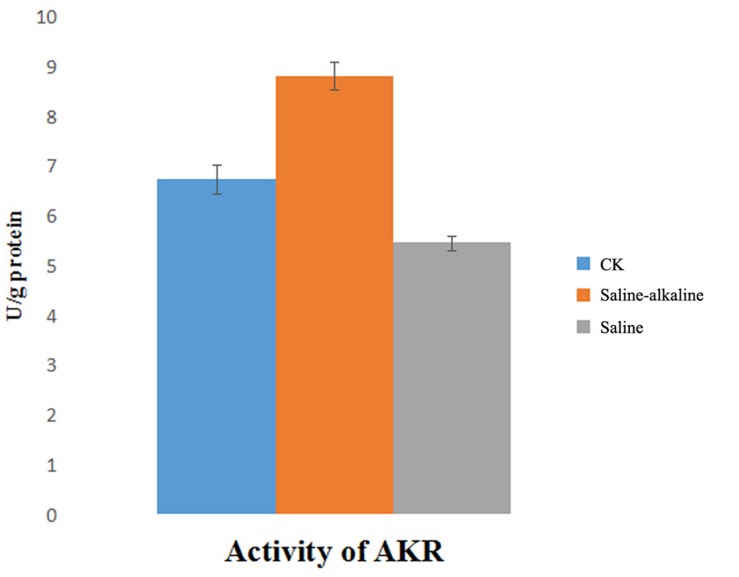
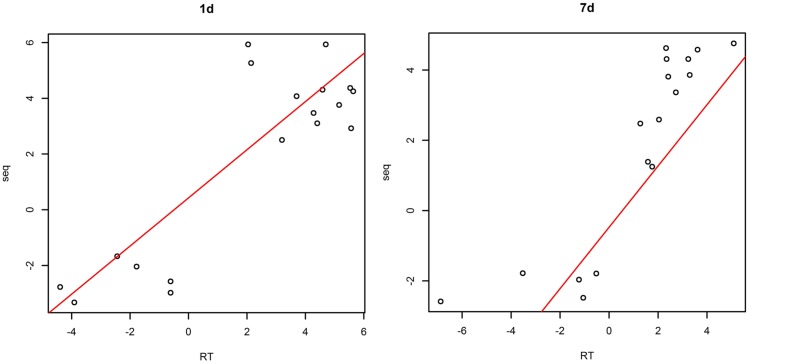
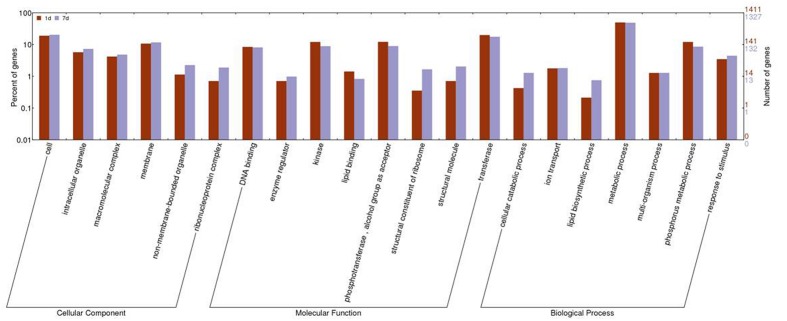
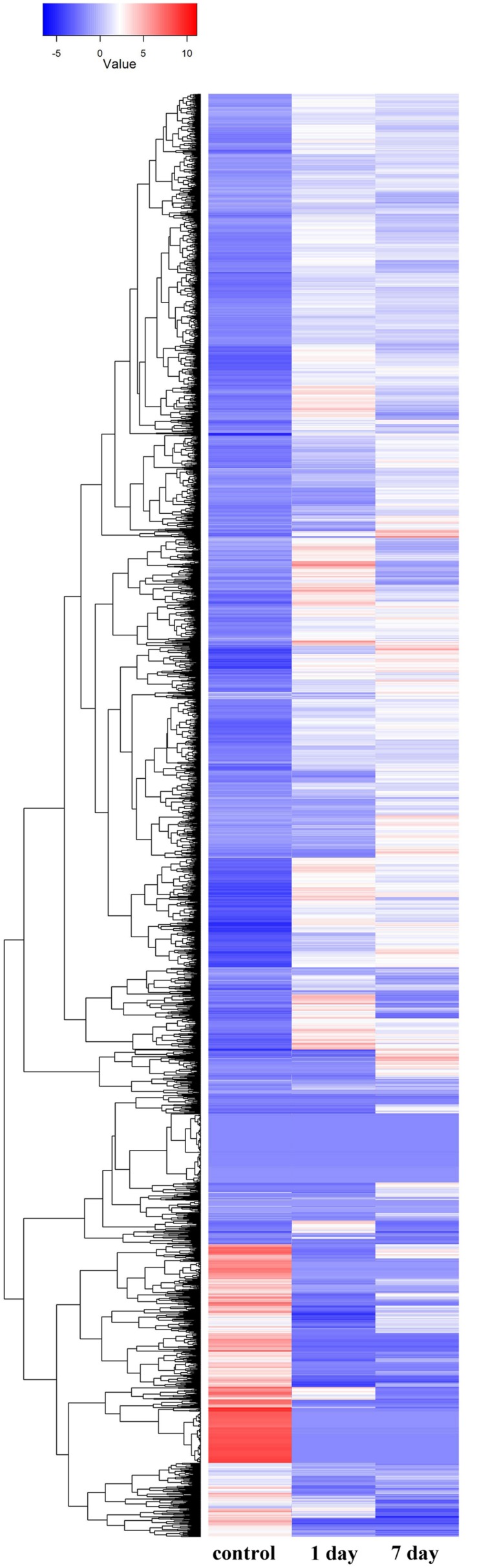
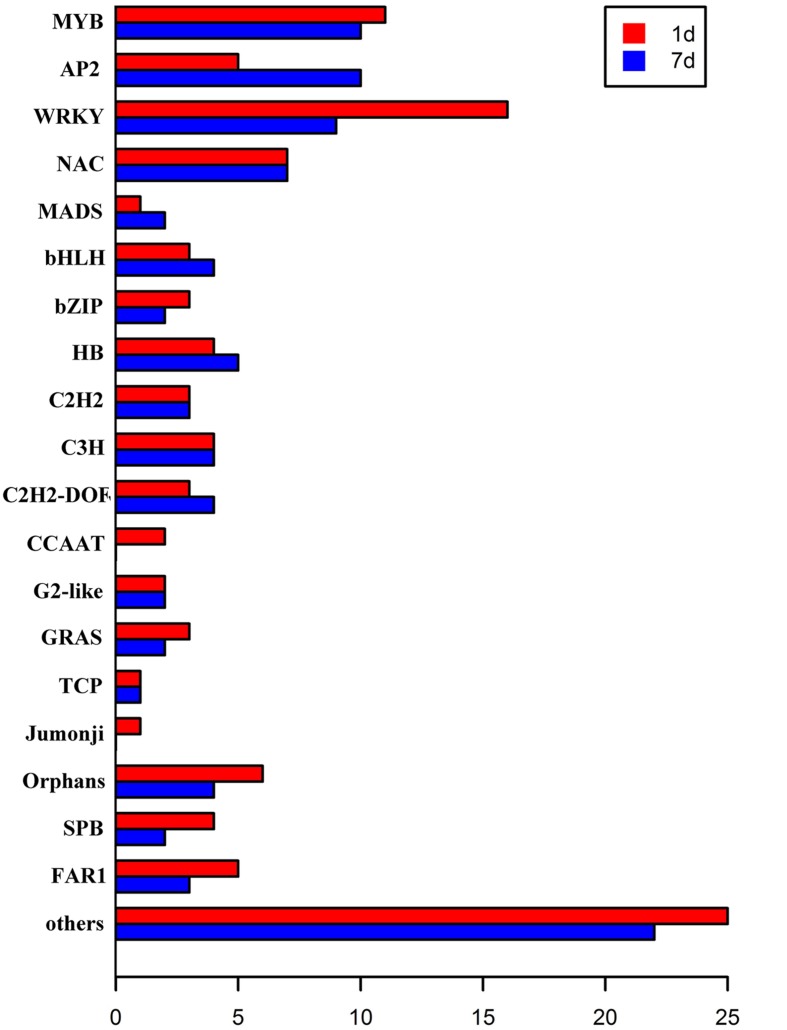
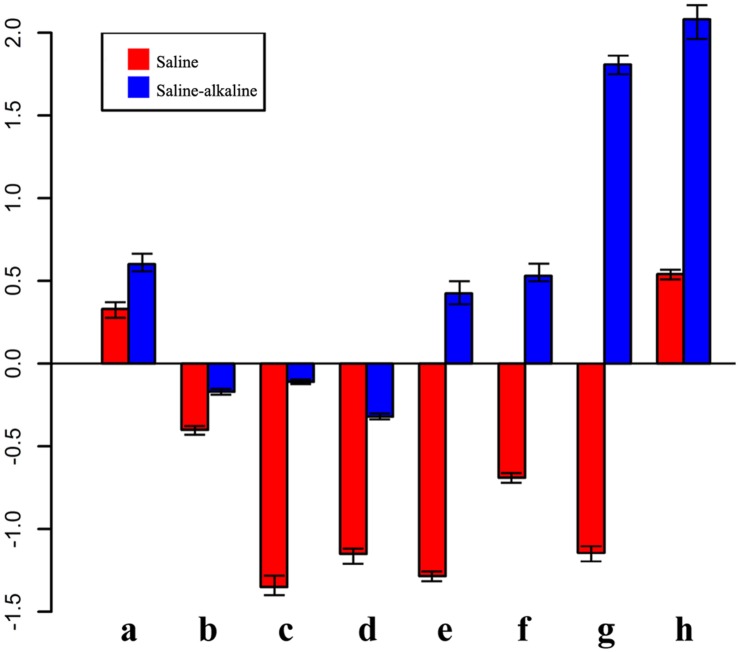
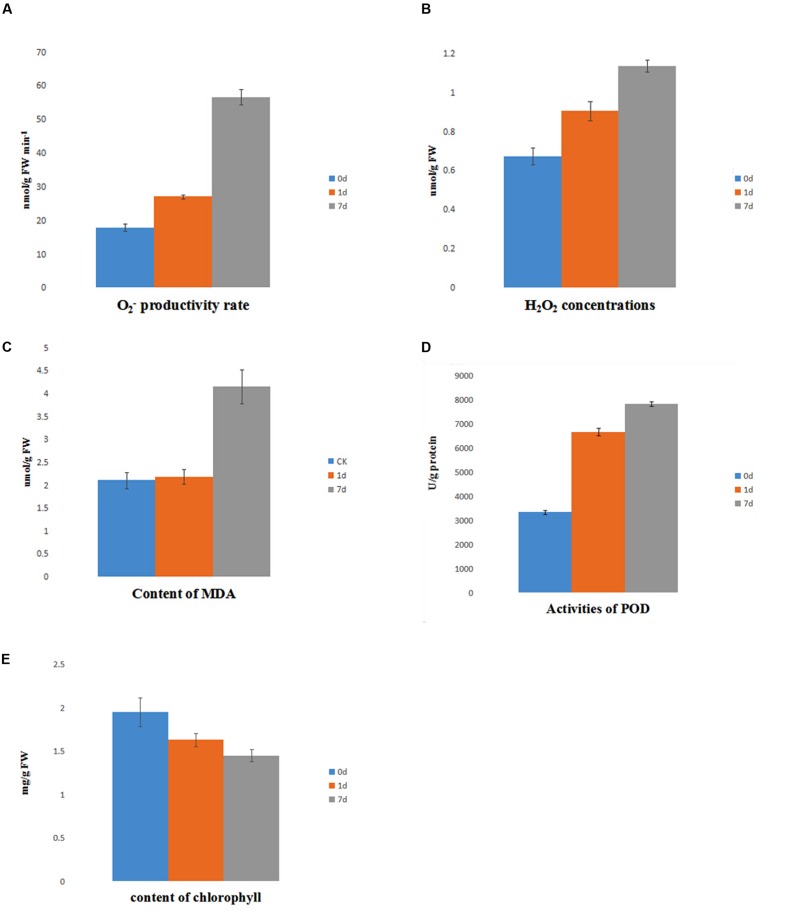
Saline-alkaline stress, caused by high levels of harmful carbonate salts and high soil pH, is a major abiotic stress that affects crop productivity. Alfalfa is a widely cultivated perennial forage legume with some tolerance to biotic and abiotic stresses, especially to saline-alkaline stress. To elucidate the mechanism underlying plant saline-alkaline tolerance, we conducted transcriptome analysis of whole alfalfa seedlings treated with saline-alkaline solutions for 0 day (control), 1 day (short-term treatment), and 7 days (long-term treatment) using ion torrent sequencing technology. A transcriptome database dataset of 53,853 unigenes was generated, and 2,286 and 2,233 genes were differentially expressed in the short-term and long-term treatment, respectively. Gene ontology analysis revealed 14 highly enriched pathways and demonstrated the differential response of metabolic pathways between the short-term and long-term treatment. The expression levels of 109 and 96 transcription factors were significantly altered significantly after 1 day and 7 days of treatment, respectively. Specific responses of peroxidase, flavonoids, and the light pathway component indicated that the antioxidant capacity was one of the central mechanisms of saline-alkaline stress tolerance response in alfalfa. Among the 18 differentially expressed genes examined by real time PCR, the expression levels of eight genes, including inositol transporter, DNA binding protein, raffinose synthase, ferritin, aldo/keto reductase, glutathione S-transferase, xyloglucan endotrans glucosylase, and a NAC transcription factor, exhibited different patterns in response to saline and alkaline stress. The expression levels of the NAC transcription factor and glutathione S-transferase were altered significantly under saline stress and saline-alkaline stress; they were upregulated under saline-alkaline stress and downregulated under salt stress. Physiology assays showed an increased concentration of reactive oxygen species and malondialdehyde and a decreased content of chlorophyll, indicating that anti-oxidation and detoxification play an important role in response to saline-alkaline stress. Overall, the transcriptome analysis provided novel insights into the saline-alkaline stress tolerance response mechanisms in alfalfa.
由高含量有害碳酸盐和高土壤pH值引起的盐碱胁迫是影响作物生产力的主要非生物胁迫。苜蓿是一种广泛种植的多年生豆科牧草,对生物和非生物胁迫具有一定耐受性,尤其是对盐碱胁迫。为了阐明植物耐盐碱的机制,我们利用离子激流测序技术对用盐碱溶液处理0天(对照)、1天(短期处理)和7天(长期处理)的苜蓿幼苗进行了转录组分析。生成了一个包含53,853个单基因的转录组数据库数据集,短期和长期处理中分别有2,286个和2,233个基因差异表达。基因本体分析揭示了14条高度富集的途径,并证明了短期和长期处理之间代谢途径的差异反应。处理1天和7天后,分别有109个和96个转录因子的表达水平发生了显著变化。过氧化物酶、类黄酮和光通路成分的特异性反应表明,抗氧化能力是苜蓿耐盐碱胁迫反应的核心机制之一。在通过实时PCR检测的18个差异表达基因中,包括肌醇转运蛋白、DNA结合蛋白、棉子糖合酶、铁蛋白、醛糖/酮糖还原酶、谷胱甘肽S-转移酶、木葡聚糖内转糖基酶和一个NAC转录因子在内的8个基因的表达水平在盐碱胁迫下呈现出不同的模式。NAC转录因子和谷胱甘肽S-转移酶的表达水平在盐胁迫和盐碱胁迫下发生了显著变化;在盐碱胁迫下上调,在盐胁迫下下调。生理分析表明活性氧和丙二醛浓度增加,叶绿素含量降低,表明抗氧化和解毒在应对盐碱胁迫中起重要作用。总体而言,转录组分析为苜蓿耐盐碱胁迫反应机制提供了新的见解。