Zhou Xueyuan, Liu Zhu, Zhang Jun, Adelsberger Joseph W, Yang Jun, Burton Gregory F
Clinic Services Program, Leidos Biomedical Research Inc., Frederick National Laboratory for Cancer Research, Frederick, MD, 21702, USA.
Hainan Key Laboratory for Sustainable Utilization of Tropical Bioresources, College of Agriculture, Hainan University, Haikou, Hainan, 570228, China.
BMC Microbiol. 2016 Jul 29;16(1):172. doi: 10.1186/s12866-016-0751-2.
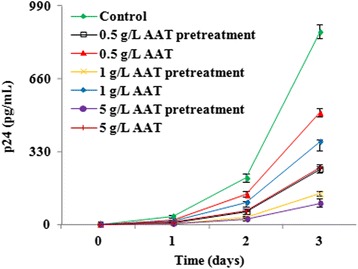
Study of a clinic case reveals that alpha-1-antitrypsin (AAT) deficiency is related to CD4+ T cell count decline and AIDS progression, suggesting that AAT might be an endogenous inhibitor of HIV/AIDS. Previous study shows that AAT inhibits HIV-1 replication in infected host cells and the C-terminus fragment of AAT, VIRIP, interferes with HIV-1 infection. However, it is still unclear whether and how intact AAT inhibits HIV-1 infection. It is also unknown what the mechanism of AAT is and which critical step(s) are involved.
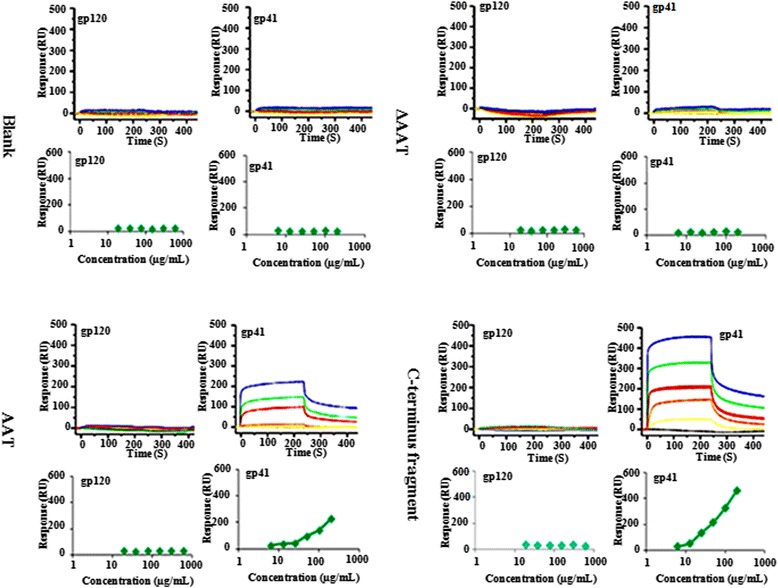
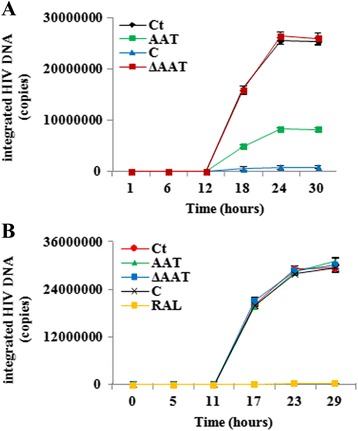
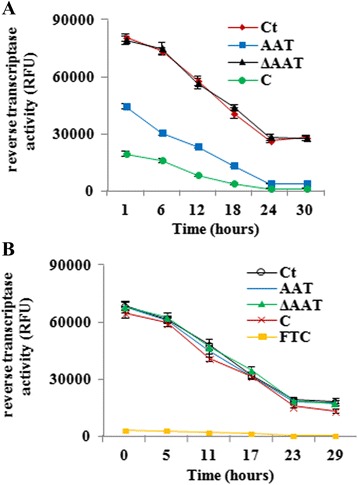
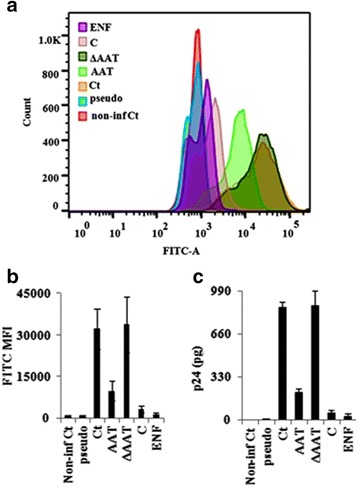
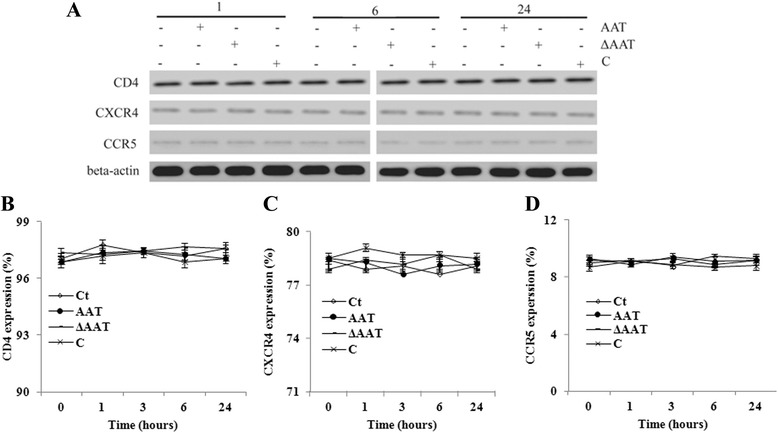
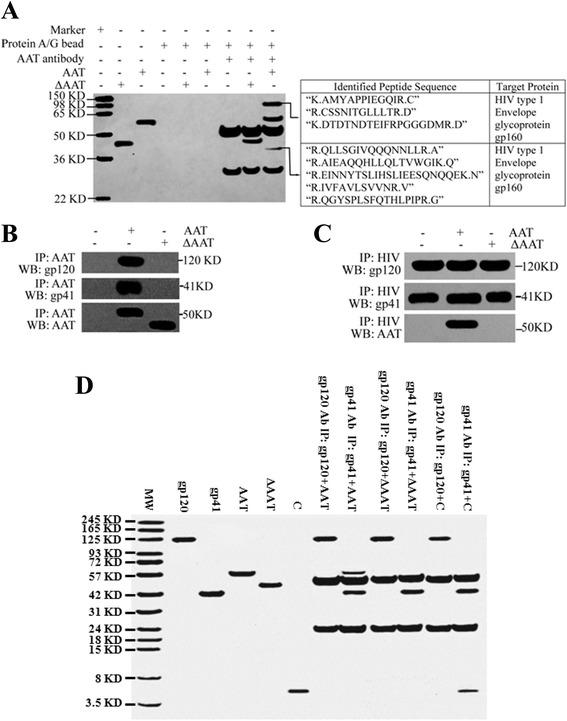
In the present study, the C-terminus of AAT (C) was synthesized. C terminus-truncated AAT (ΔAAT) was also prepared by digesting AAT with metalloproteinase. Primary CD4+ T cells were then co-cultured with HIV-1 with the presence or absence of AAT/C/ΔAAT to detect cis-infection of HIV-1. The interaction between AAT/C/ΔAAT and gp120/gp41 was also measured. Meanwhile, HIV-1 reverse transcriptase activity and viral DNA integration were also detected in these lymphocytes. The results demonstrated that AAT and C, not ΔAAT, inhibited HIV-1 entry by directly interacting with gp41. Meanwhile, AAT, C and ΔAAT could not directly interfere with the steps of viral RNA reverse transcription and viral DNA integration.
AAT inhibits HIV-1 entry by directly interacting with gp41 through its C-terminus and thereby inhibits HIV-1 infection.
一项临床病例研究表明,α-1-抗胰蛋白酶(AAT)缺乏与CD4+ T细胞计数下降及艾滋病进展相关,提示AAT可能是HIV/AIDS的内源性抑制剂。先前的研究表明,AAT可抑制HIV-1在受感染宿主细胞中的复制,且AAT的C末端片段VIRIP可干扰HIV-1感染。然而,完整的AAT是否以及如何抑制HIV-1感染仍不清楚。AAT的作用机制以及涉及哪些关键步骤也尚不清楚。
在本研究中,合成了AAT的C末端(C)。还通过用金属蛋白酶消化AAT制备了C末端截短的AAT(ΔAAT)。然后将原代CD4+ T细胞与HIV-1在有或无AAT/C/ΔAAT的情况下共培养,以检测HIV-1的顺式感染。还测定了AAT/C/ΔAAT与gp120/gp41之间的相互作用。同时,在这些淋巴细胞中还检测了HIV-1逆转录酶活性和病毒DNA整合。结果表明,AAT和C而非ΔAAT通过直接与gp41相互作用抑制HIV-1进入。同时,AAT、C和ΔAAT不能直接干扰病毒RNA逆转录和病毒DNA整合步骤。
AAT通过其C末端直接与gp41相互作用抑制HIV-1进入,从而抑制HIV-1感染。