Lakhera Abhijeet, Ganeshpurkar Aditya, Bansal Divya, Dubey Nazneen
Drug Discovery Laboratory, Shri Ram Institute of Technology-Pharmacy, Jabalpur, M.P., India.
Pharmaceutics Research Laboratory, Shri Ram Institute of Technology-Pharmacy, Jabalpur, M.P., India.
Interdiscip Toxicol. 2015 Jun;8(2):99-102. doi: 10.1515/intox-2015-0015.
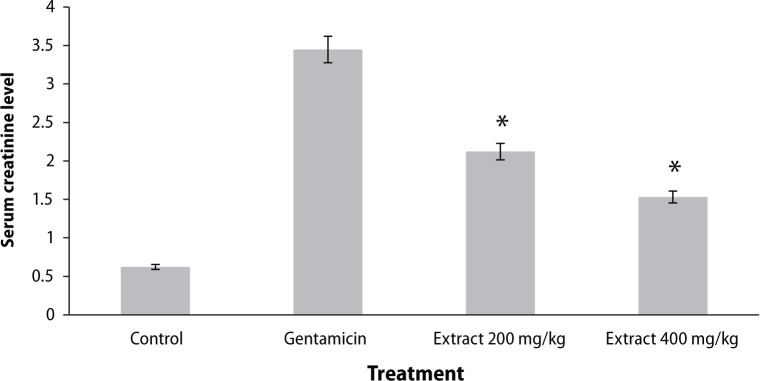
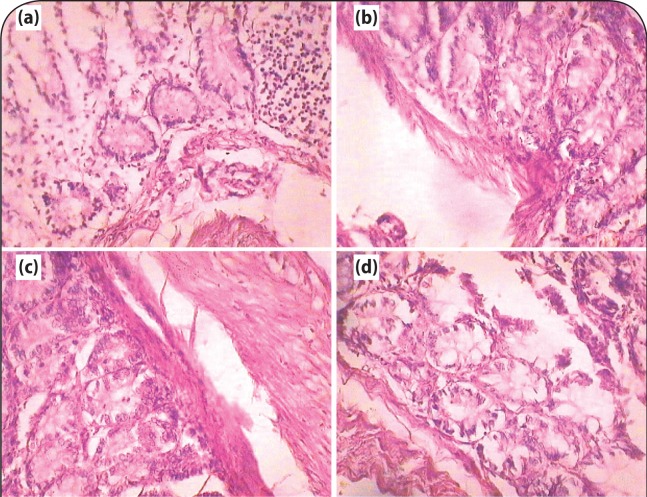
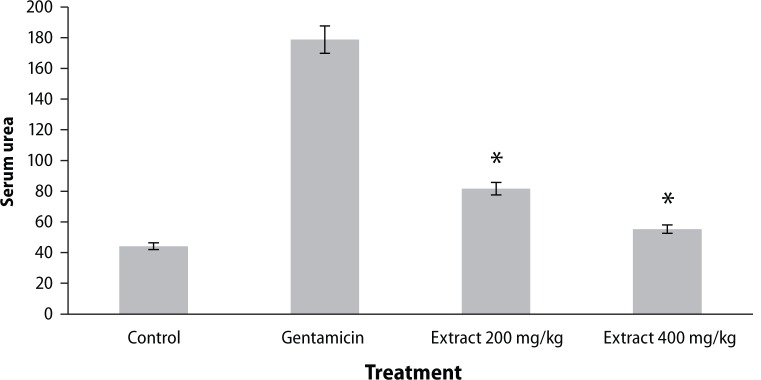
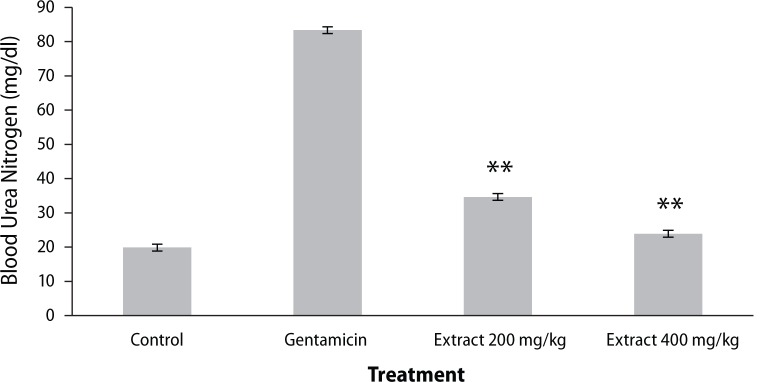
Drug induced nephrotoxicity is one of the most common causes of renal failure. Gentamicin belongs to aminoglycosides, which elicit nephrotoxic potential. Natural antioxidants from plants demonstrate a number of biotherapeutic activities. Coriander is an important medicinal plant known for its hepatoprotective, diuretic, carminative, digestive and antihelminthic potential. This study was designed to investigate whether the extract of Coriandrum sativum ameliorates the nephrotoxicity induced by gentamicin in rats. Dried coriander powder was coarsely grinded and subjected to defatting by petroleum ether and further with ethyl acetate. The extract was filtered and subjected to phytochemical and phytoanalytical studies. Acute toxicity in Wistar rats was determined by the OECD Guideline (423). Animals were divided into four groups. The first group served as positive control, while the second group was toxic control (gentamicin treated). The third and fourth group were treated with the extract (200 and 400 mg/kg gentamicin). After 8 days, the animals were sacrificed and biochemical and histopathological studies were carried out. Phytochemical screening of the extract demonstrated Coriandrum sativum to be rich in flavonoids, polyphenolics and alkaloids. Results of acute toxicity suggested the use of 200 mg/kg and 400 mg/kg for Coriandrum sativum in the study. Coriandrum sativum extract at the dose of 400 mg/kg significantly (p<0.01) decreased creatinine levels in the animals, along with a decrease in serum urea and blood urea nitrogen. Treatment with Coriandrum sativum extract ameliorated renal histological lesions. It is concluded that Coriandrum sativum is a potential source of nephroprotective phytochemical activity, with flavonoids and polyphenols as the major components.
药物性肾毒性是肾衰竭最常见的病因之一。庆大霉素属于氨基糖苷类药物,具有肾毒性潜力。植物中的天然抗氧化剂具有多种生物治疗活性。香菜是一种重要的药用植物,以其保肝、利尿、驱风、助消化和抗蠕虫的潜力而闻名。本研究旨在调查芫荽提取物是否能改善庆大霉素诱导的大鼠肾毒性。将干燥的香菜粉粗磨,先用石油醚脱脂,再用乙酸乙酯脱脂。提取物经过过滤,并进行了植物化学和植物分析研究。按照经合组织指南(423)测定Wistar大鼠的急性毒性。动物分为四组。第一组作为阳性对照,第二组为毒性对照(用庆大霉素处理)。第三组和第四组用提取物处理(200和mg/kg庆大霉素)。8天后,处死动物并进行生化和组织病理学研究。提取物的植物化学筛选表明,芫荽富含黄酮类、多酚类和生物碱。急性毒性结果表明,在本研究中芫荽的使用剂量为200mg/kg和400mg/kg。400mg/kg剂量的芫荽提取物显著(p<0.01)降低了动物的肌酐水平,同时血清尿素和血尿素氮也有所下降。用芫荽提取物治疗改善了肾脏组织学损伤。得出的结论是,芫荽是具有肾保护植物化学活性的潜在来源,黄酮类和多酚类是主要成分。