Rizzi Massimo, Weissberg Itai, Milikovsky Dan Z, Friedman Alon
Department of Neuroscience, IRCCS - Istituto di Ricerche Farmacologiche Mario Negri, Via G. La Masa 19, 20156 Milan, Italy.
Departments of Physiology and Cell Biology, Cognitive and Brain Sciences, Zlotowski Center for Neuroscience, Ben-Gurion University of the Negev, Beer-Sheva 84105, Israel.
Sci Rep. 2016 Aug 4;6:31129. doi: 10.1038/srep31129.
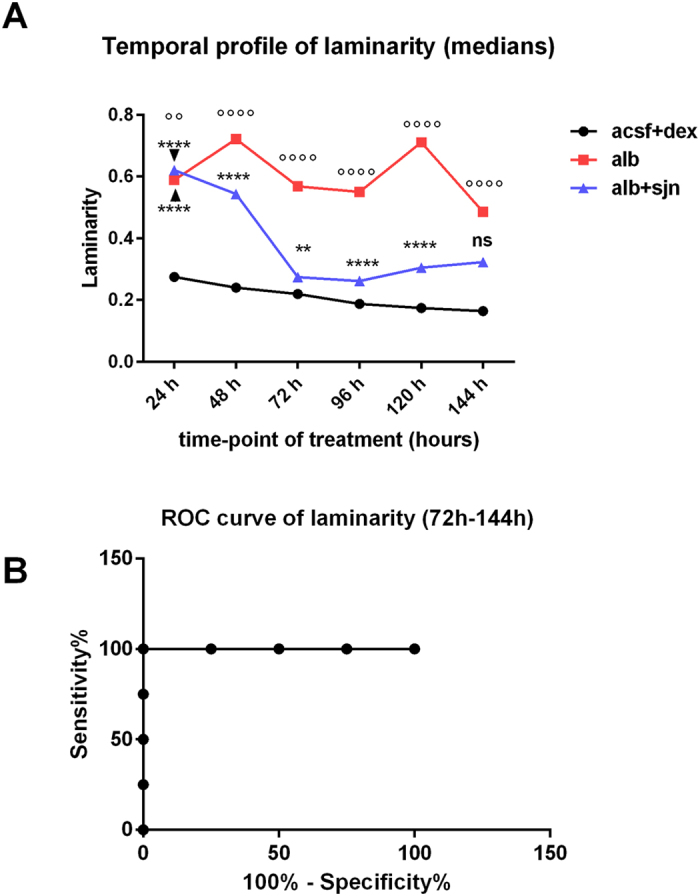
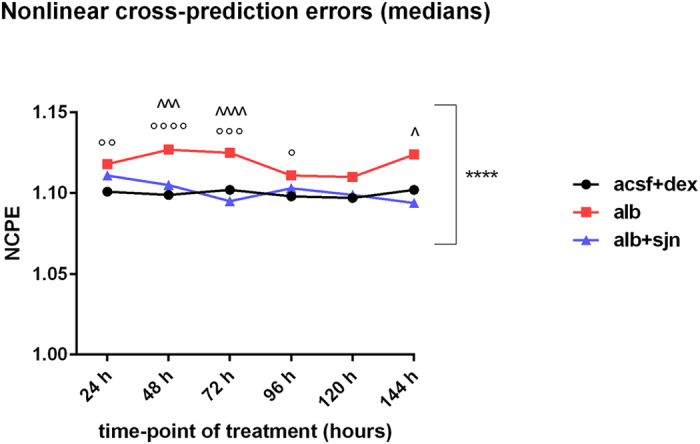
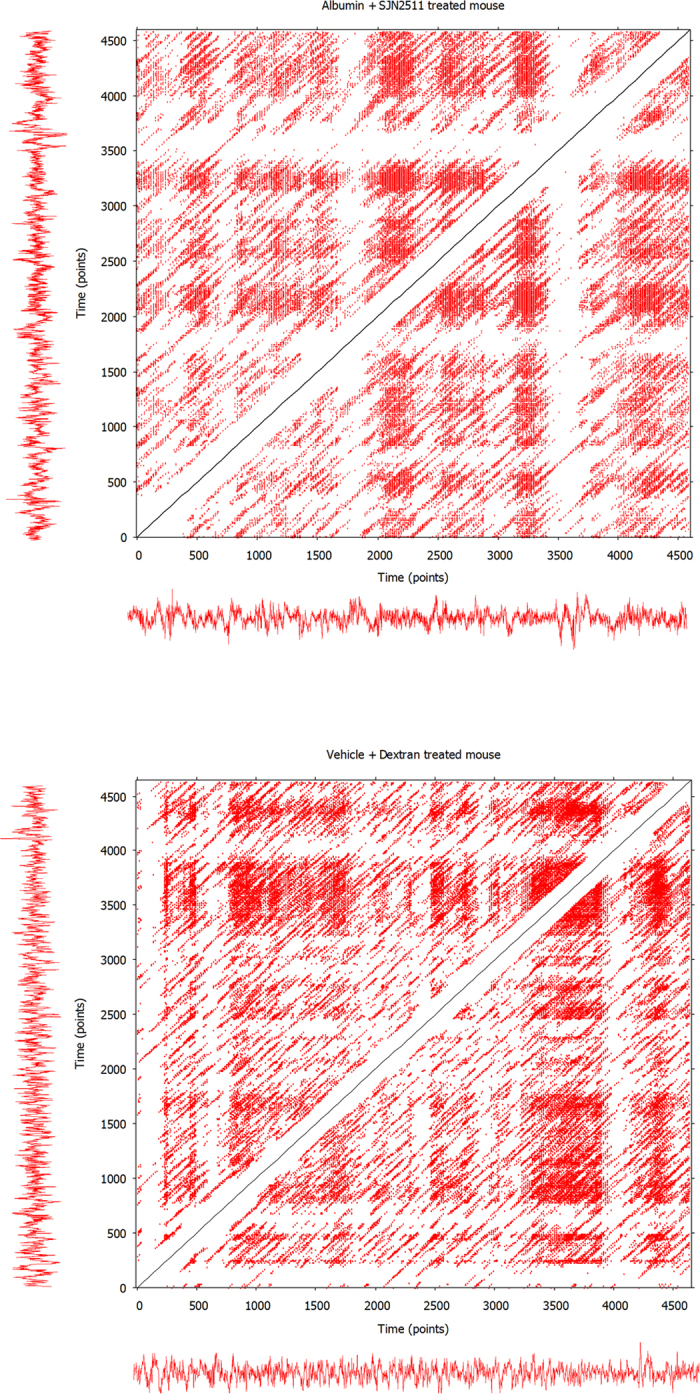
The lack of a marker of epileptogenesis is an unmet medical need, not only from the clinical perspective but also from the point of view of the pre-clinical research. Indeed, the lack of this kind of marker affects the investigations on the mechanisms of epileptogenesis as well as the development of novel therapeutic approaches aimed to prevent or to mitigate the severity of the incoming epilepsy in humans. In this work, we provide evidence that in an experimental model of epileptogenesis that mimics the alteration of the blood-brain barrier permeability, a key-mechanism that contributes to the development of epilepsy in humans and in animals, the prolonged occurrence in the electrocorticograms (ECoG) of high rates of a nonlinear dynamical regimes known as intermittency univocally characterizes the population of experimental animals which develop epilepsy, hence it can be considered as the first biophysical marker of epileptogenesis.
缺乏癫痫发生的标志物是一项尚未满足的医学需求,这不仅从临床角度来看是如此,从临床前研究的角度来看也是如此。事实上,这种标志物的缺乏影响了对癫痫发生机制的研究,以及旨在预防或减轻人类即将发生的癫痫严重程度的新型治疗方法的开发。在这项工作中,我们提供了证据表明,在一个模拟血脑屏障通透性改变的癫痫发生实验模型中,这是导致人类和动物癫痫发展的关键机制,脑电图(ECoG)中长时间出现的一种被称为间歇性的非线性动力学状态的高发生率明确地表征了发生癫痫的实验动物群体,因此它可被视为癫痫发生的首个生物物理标志物。