Wang Yanling, Wang Wenyao, Liu Jessica, Huang Xin, Liu Ruixing, Xia Huika, Brecha Nicholas C, Pu Mingliang, Gao Jie
Department of Anatomy, School of Basic Medical Sciences, Peking University, Beijing, China.
Key Laboratory on Machine Perception (Ministry of Education), Peking University, Beijing, China.
PLoS One. 2016 Aug 9;11(8):e0160309. doi: 10.1371/journal.pone.0160309. eCollection 2016.
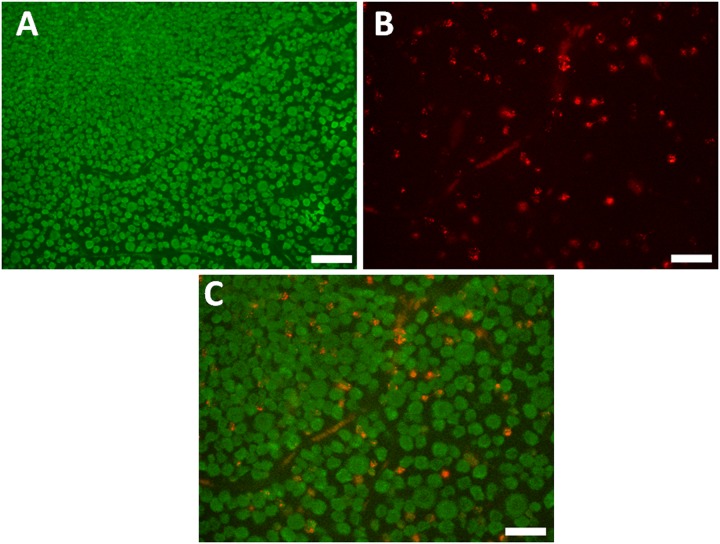
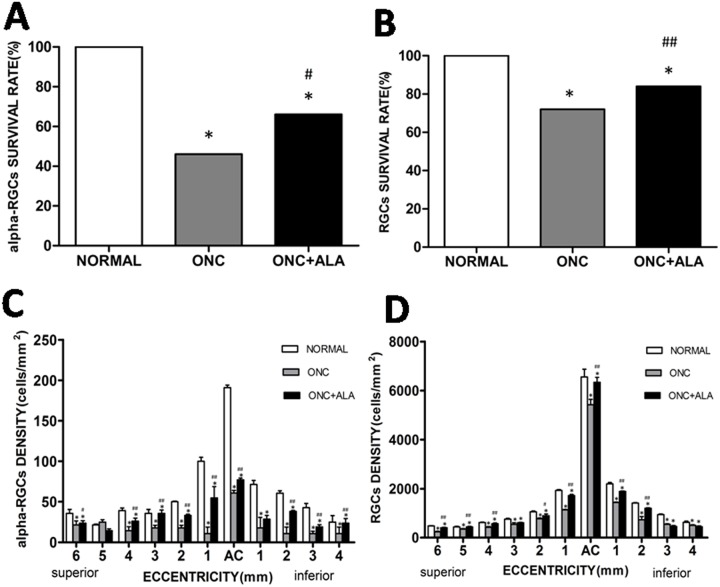
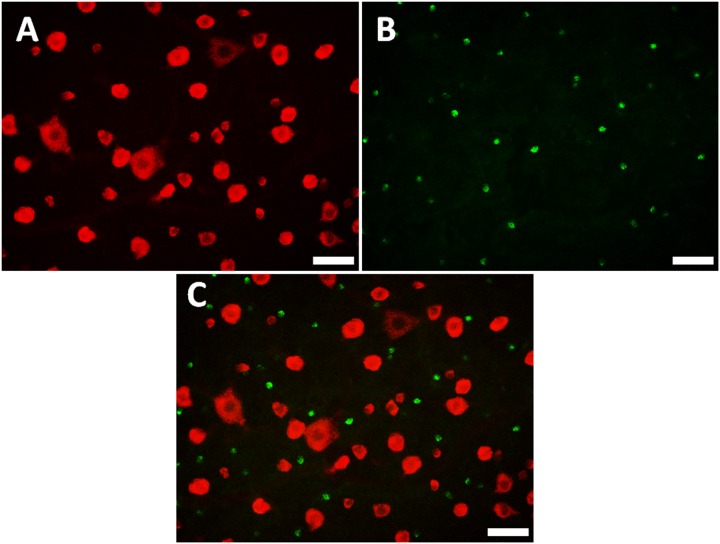
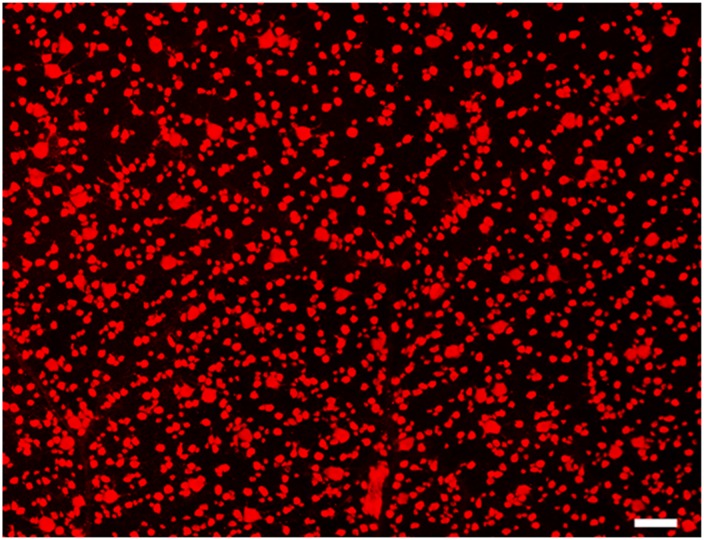
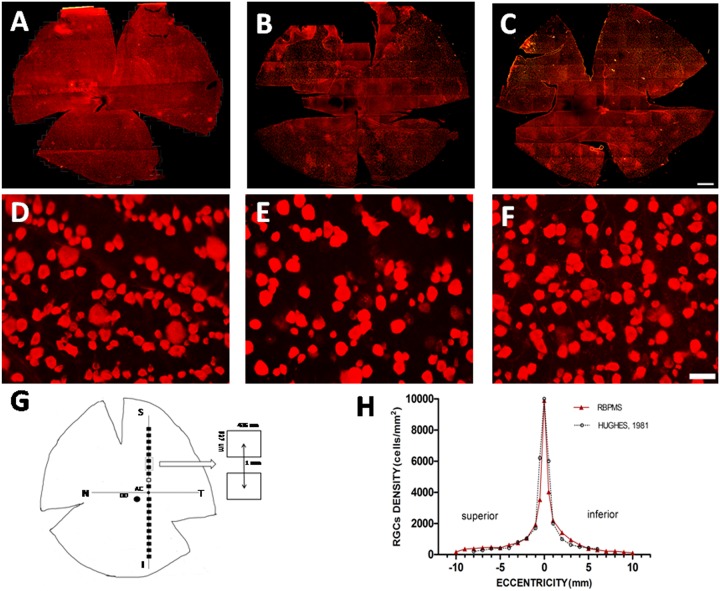
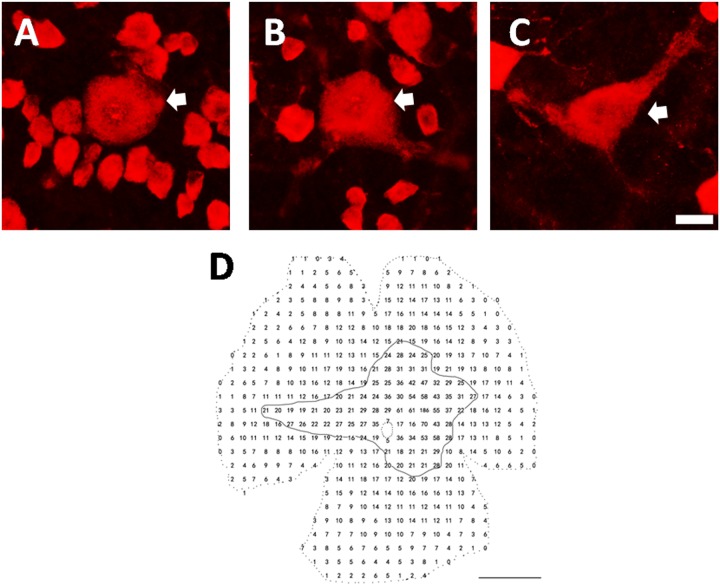
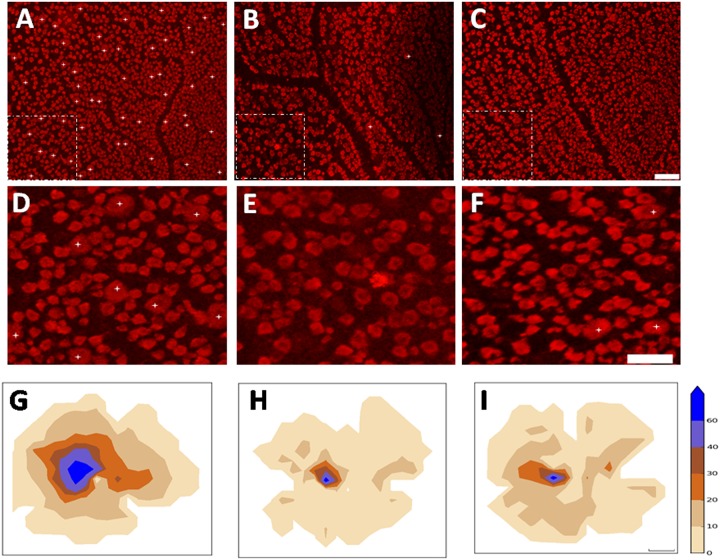
In this study we first sought to determine whether RNA-binding protein with multiple splicing (RBPMS) can serve as a specific marker for cat retina ganglion cells (RGCs) using retrograde labeling and immunohistochemistry staining. RBPM was then used as an RGC marker to study RGC survival after optic nerve crush (ONC) and alpha-lipoic acid (ALA) treatment in cats. ALA treatment yielded a peak density of RBPMS-alpha cells within the peak isodensity zone (>60/mm2) which did not differ from ONC retinas. The area within the zone was significantly enlarged (control: 2.3%, ONC: 0.06%, ONC+ALA: 0.1%). As for the 10-21/mm2 zone, ALA treatment resulted in a significant increase in area (control: 34.5%, ONC: 12.1%, ONC+ALA: 35.9%). ALA can alleviate crush-induced RGC injury.
在本研究中,我们首先试图通过逆行标记和免疫组织化学染色来确定多剪接RNA结合蛋白(RBPMS)是否可作为猫视网膜神经节细胞(RGCs)的特异性标志物。随后,RBPMS被用作RGC标志物,以研究猫视神经挤压伤(ONC)和α-硫辛酸(ALA)治疗后RGC的存活情况。ALA治疗在峰值等密度区内产生了RBPMS-α细胞的峰值密度(>60/mm2),这与ONC视网膜无差异。该区域内的面积显著增大(对照组:2.3%,ONC组:0.06%,ONC+ALA组:0.1%)。至于10-21/mm2区域,ALA治疗导致面积显著增加(对照组:34.5%,ONC组:12.1%,ONC+ALA组:35.9%)。ALA可减轻挤压诱导的RGC损伤。