Fang Yan-Ni, Zheng Bei-Bei, Wang Lun, Yang Wei, Wu Xiao-Meng, Xu Qiang, Guo Wen-Wu
Key Laboratory of Horticultural Plant Biology of Ministry of Education, Huazhong Agricultural University, Wuhan, 430070, China.
BMC Genomics. 2016 Aug 9;17:591. doi: 10.1186/s12864-016-2882-0.
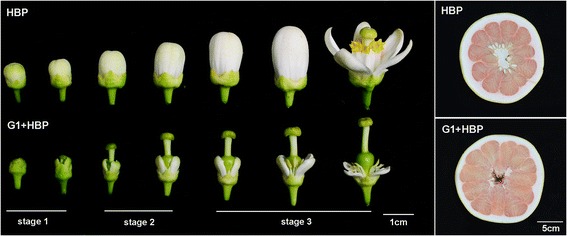
G1 + HBP is a male sterile cybrid line with nuclear genome from Hirado Buntan pummelo (C. grandis Osbeck) (HBP) and mitochondrial genome from "Guoqing No.1" (G1, Satsuma mandarin), which provides a good opportunity to study male sterility and nuclear-cytoplasmic cross talk in citrus. High-throughput sRNA and degradome sequencing were applied to identify miRNAs and their targets in G1 + HBP and its fertile type HBP during reproductive development.
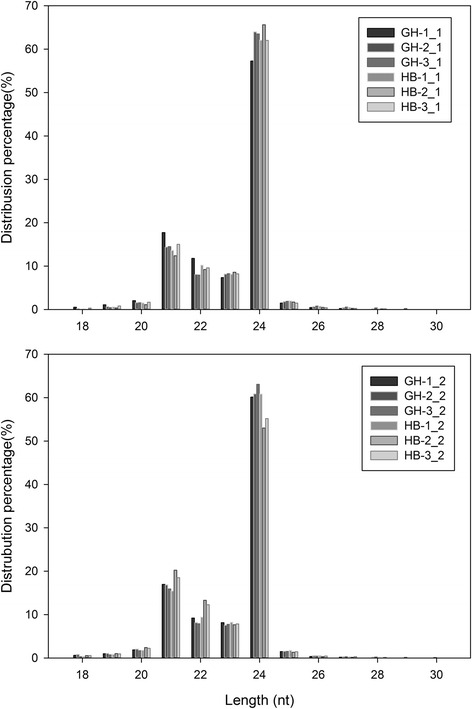
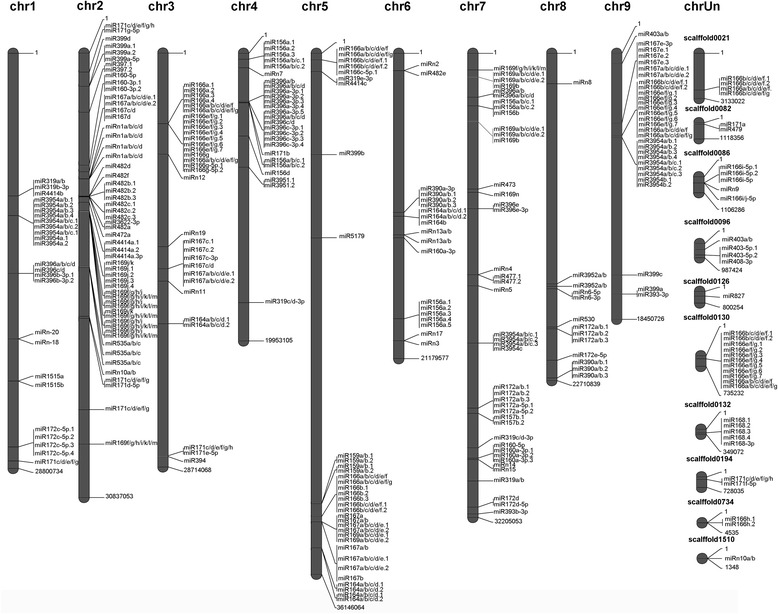
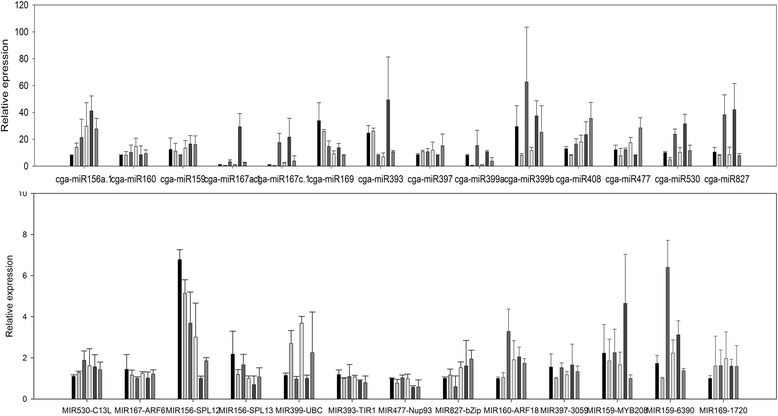
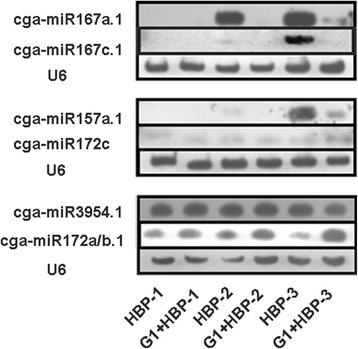
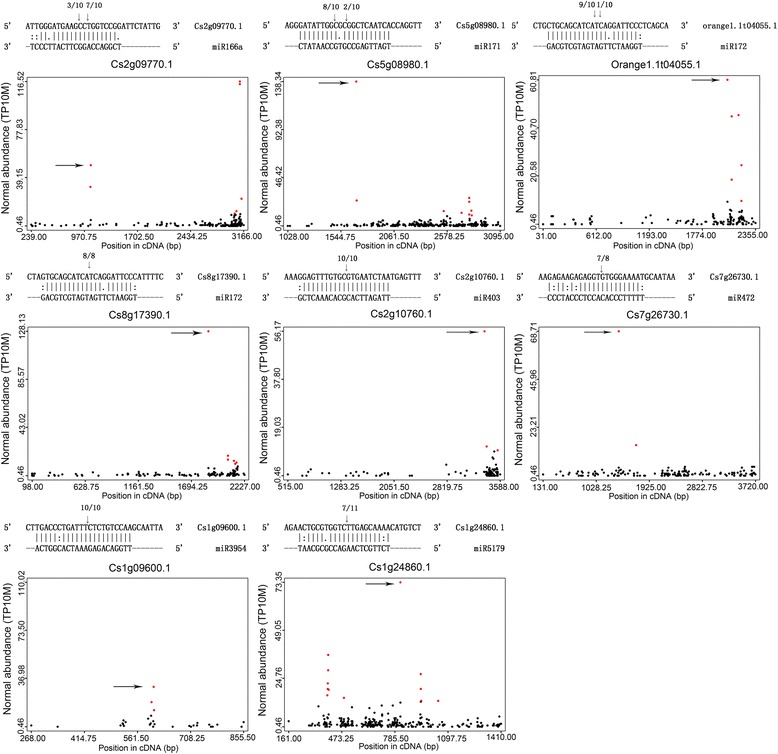
A total of 184 known miRNAs, 22 novel miRNAs and 86 target genes were identified. Some of the targets are transcription factors involved in floral development, such as auxin response factors (ARFs), SQUAMOSA promoter binding protein box (SBP-box), MYB, basic region-leucine zipper (bZIP), APETALA2 (AP2) and transport inhibitor response 1 (TIR1). Eight target genes were confirmed to be sliced by corresponding miRNAs using 5' RACE technology. Based on the sequencing abundance, 42 differentially expressed miRNAs between sterile line G1 + HBP and fertile line HBP were identified. Differential expression of miRNAs and their target genes between two lines was validated by quantitative RT-PCR, and reciprocal expression patterns between some miRNAs and their targets were demonstrated. The regulatory mechanism of miR167a was investigated by yeast one-hybrid and dual-luciferase assays that one dehydrate responsive element binding (DREB) transcription factor binds to miR167a promoter and transcriptionally repress miR167 expression.
Our study reveals the altered expression of miRNAs and their target genes in a male sterile line of pummelo and highlights that miRNA regulatory network may be involved in floral bud development and cytoplasmic male sterility in citrus.
G1 + HBP是一种雄性不育的胞质杂种系,其核基因组来自平户文旦柚(C. grandis Osbeck)(HBP),线粒体基因组来自“国庆一号”(G1,温州蜜柑),这为研究柑橘中的雄性不育和核质互作提供了一个很好的机会。在生殖发育过程中,应用高通量小RNA和降解组测序来鉴定G1 + HBP及其可育类型HBP中的miRNA及其靶标。
共鉴定出184个已知miRNA、22个新miRNA和86个靶基因。一些靶标是参与花发育的转录因子,如生长素响应因子(ARFs)、SQUAMOSA启动子结合蛋白盒(SBP-box)、MYB、碱性区域-亮氨酸拉链(bZIP)、APETALA2(AP2)和运输抑制剂响应1(TIR1)。使用5' RACE技术证实8个靶基因被相应的miRNA切割。基于测序丰度,鉴定出不育系G1 + HBP和可育系HBP之间42个差异表达的miRNA。通过定量RT-PCR验证了两个系之间miRNA及其靶基因的差异表达,并证明了一些miRNA与其靶标之间的反向表达模式。通过酵母单杂交和双荧光素酶测定研究了miR167a的调控机制,发现一个脱水响应元件结合(DREB)转录因子与miR167a启动子结合并转录抑制miR167的表达。
我们的研究揭示了柚雄性不育系中miRNA及其靶基因的表达变化,并强调miRNA调控网络可能参与柑橘的花芽发育和细胞质雄性不育。