Goetz Frederick, Smith Sara E, Goetz Giles, Murphy Cheryl A
University of Wisconsin - Milwaukee, School of Freshwater Sciences, 600 East Greenfield Ave., Milwaukee, WI, 53204, USA.
NOAA Northwest Fisheries Science Center, Manchester Research Station, 7305 Beach Drive East, Port Orchard, WA, 98366, USA.
BMC Genomics. 2016 Aug 24;17(1):675. doi: 10.1186/s12864-016-2959-9.
The sea lamprey (Petromyzon marinus) is a jawless vertebrate that parasitizes fish as an adult and, with overfishing, was responsible for the decline in lake trout (Salvelinus namaycush) populations in the Great Lakes. While laboratory studies have looked at the rates of wounding on various fish hosts, there have been few investigations on the physiological effects of lamprey wounding on the host. In the current study, two morphotypes of lake trout, leans and siscowets, were parasitized in the laboratory by sea lampreys and the liver transcriptomes of parasitized and nonparasitized fish were analyzed by RNA-seq (DESeq2 and edgeR) to determine which genes and gene pathways (Ingenuity Pathway Analysis) were altered by lamprey parasitism.
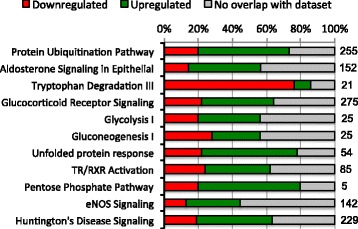
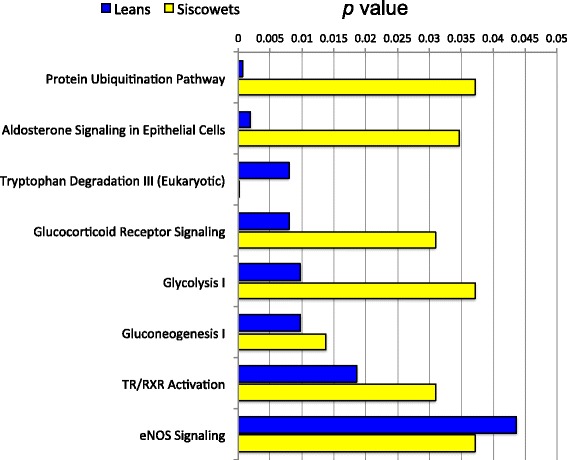
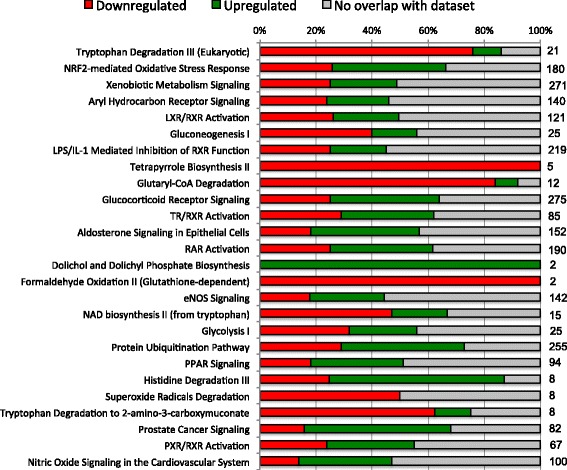
Overall, genes encoding molecules involved in catalytic (e.g., enzymatic) and binding activities (factors and regulators) predominated the regulated gene lists. In siscowets, the top upregulated gene was growth arrest and DNA-damage-inducible protein and for leans it was interleukin-18-binding protein. In leans, the most significantly downregulated gene was UDP-glucuronosyltransferase 2A2 - DESeq2 or phosphotriesterase related - edgeR. For siscowets, the top downregulated gene was C-C motif chemokine 19 - DESeq2 or GTP-binding protein Rhes - edgeR. Gene pathways associated with inflammatory-related responses or factors (cytokines, chemokines, oxidative stress, apoptosis) were regulated following parasitism in both morphotypes. However, pathways related to energy metabolism (glycolysis, gluconeogenesis, lipolysis, lipogenesis) were also regulated. These pathways or the intensity or direction (up/downregulation) of regulation were different between leans and siscowets. Finally, one of the most significantly downregulated pathways in both leans and siscowets was the kynurenine (tryptophan degradation) pathway.
The results indicate a strong transcriptional response in the lake trout to lamprey parasitism that entails genes involved in the regulation of inflammation and cellular damage. Responses to energy utilization as well as hydromineral balance also occurred indicating an adjustment in the host to energy demands and osmotic imbalances during parasitism. Given the role of the kynurenine pathway in promoting immunotolerance in mammals, the downregulation observed in this pathway during parasitism may signify an attempt by the host to inhibit any feedback suppression of the immune response to the lamprey.
海七鳃鳗(Petromyzon marinus)是一种无颌脊椎动物,成年后寄生于鱼类,由于过度捕捞,它是五大湖湖鳟(Salvelinus namaycush)种群数量下降的原因之一。虽然实验室研究观察了各种鱼类宿主的受伤率,但很少有关于七鳃鳗致伤对宿主生理影响的研究。在本研究中,在实验室里用海七鳃鳗寄生了两种湖鳟形态类型,即瘦型和肥型,并通过RNA测序(DESeq2和edgeR)分析了被寄生和未被寄生鱼类的肝脏转录组,以确定哪些基因和基因途径( Ingenuity途径分析)因七鳃鳗寄生而发生改变。
总体而言,编码参与催化(如酶促)和结合活性(因子和调节剂)分子的基因在受调控基因列表中占主导地位。在肥型湖鳟中,上调最明显的基因是生长停滞和DNA损伤诱导蛋白,而在瘦型湖鳟中是白细胞介素-18结合蛋白。在瘦型湖鳟中,下调最显著的基因是UDP-葡萄糖醛酸基转移酶2A2 - DESeq2或磷酸三酯酶相关基因 - edgeR。对于肥型湖鳟,下调最明显的基因是C-C基序趋化因子19 - DESeq2或鸟苷结合蛋白Rhes - edgeR。在两种形态类型中,寄生后与炎症相关反应或因子(细胞因子、趋化因子、氧化应激、细胞凋亡)相关的基因途径均受到调控。然而,与能量代谢(糖酵解、糖异生、脂肪分解、脂肪生成)相关的途径也受到调控。这些途径或调控的强度或方向(上调/下调)在瘦型和肥型湖鳟之间有所不同。最后,在瘦型和肥型湖鳟中下调最显著的途径之一是犬尿氨酸(色氨酸降解)途径。
结果表明湖鳟对七鳃鳗寄生有强烈的转录反应,涉及参与炎症和细胞损伤调节的基因。对能量利用以及水盐平衡也有反应,表明宿主在寄生期间对能量需求和渗透失衡进行了调整。鉴于犬尿氨酸途径在促进哺乳动物免疫耐受中的作用,寄生期间该途径的下调可能表明宿主试图抑制对七鳃鳗免疫反应的任何反馈抑制。