Doerr Nicholas, Wang Yidi, Kipp Kevin R, Liu Guangyi, Benza Jesse J, Pletnev Vladimir, Pavlov Tengis S, Staruschenko Alexander, Mohieldin Ashraf M, Takahashi Maki, Nauli Surya M, Weimbs Thomas
Department of Molecular, Cellular, and Developmental Biology and Neuroscience Research Institute, University of California Santa Barbara, Santa Barbara, CA, United States of America.
Department of Nephrology, Qilu Hospital, Shandong University, Jinan, China.
PLoS One. 2016 Aug 25;11(8):e0161525. doi: 10.1371/journal.pone.0161525. eCollection 2016.
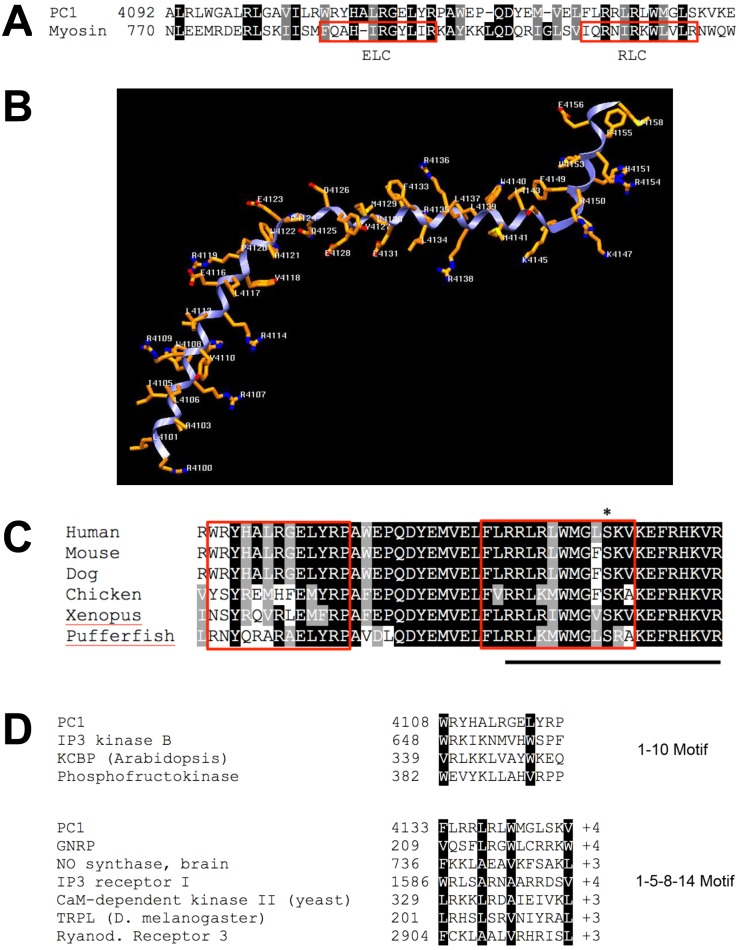
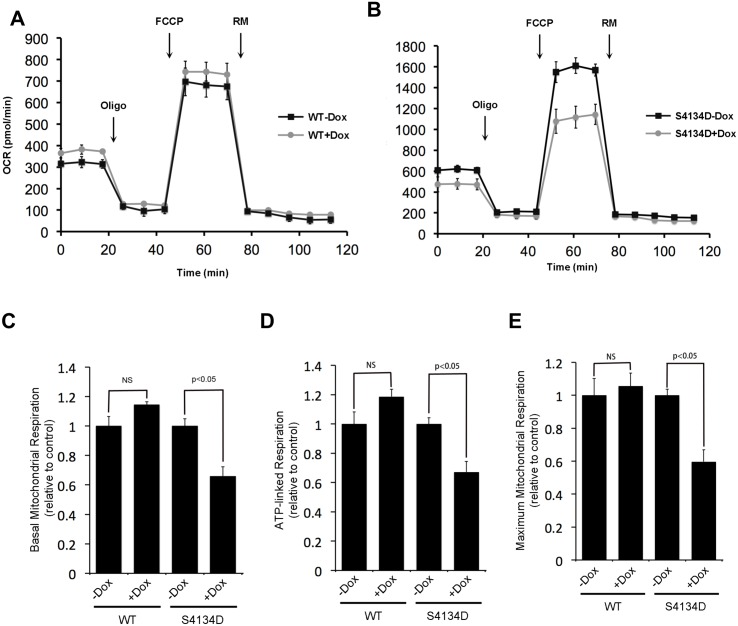
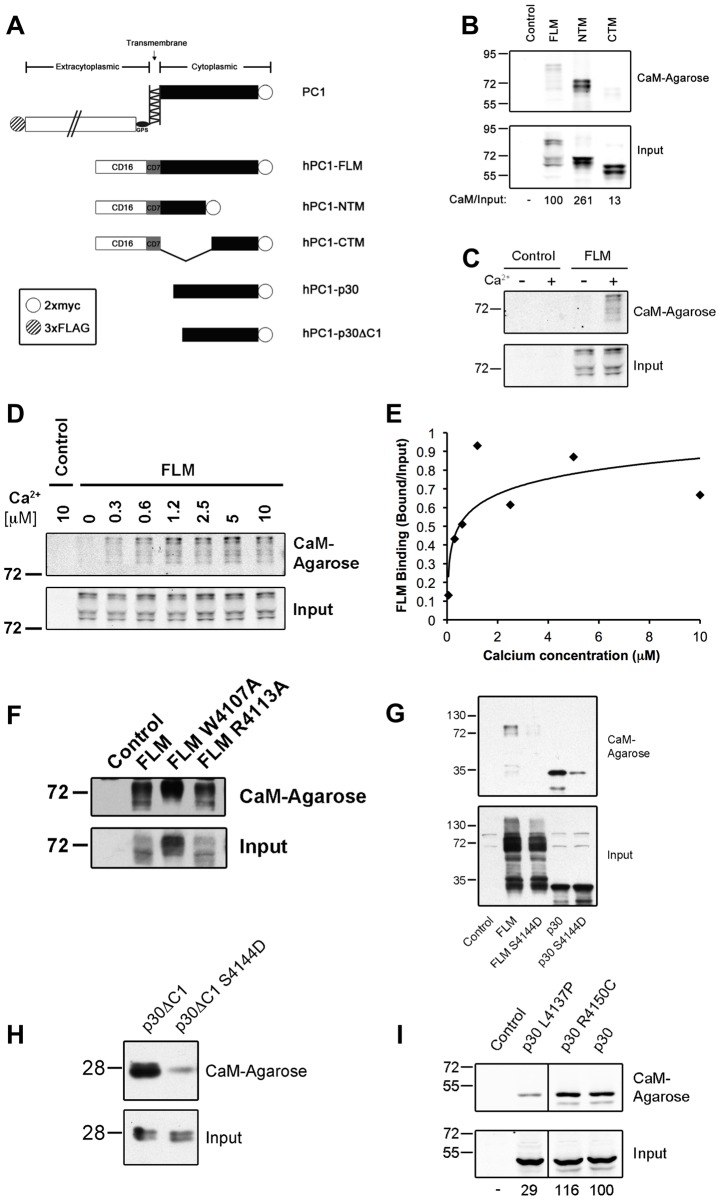
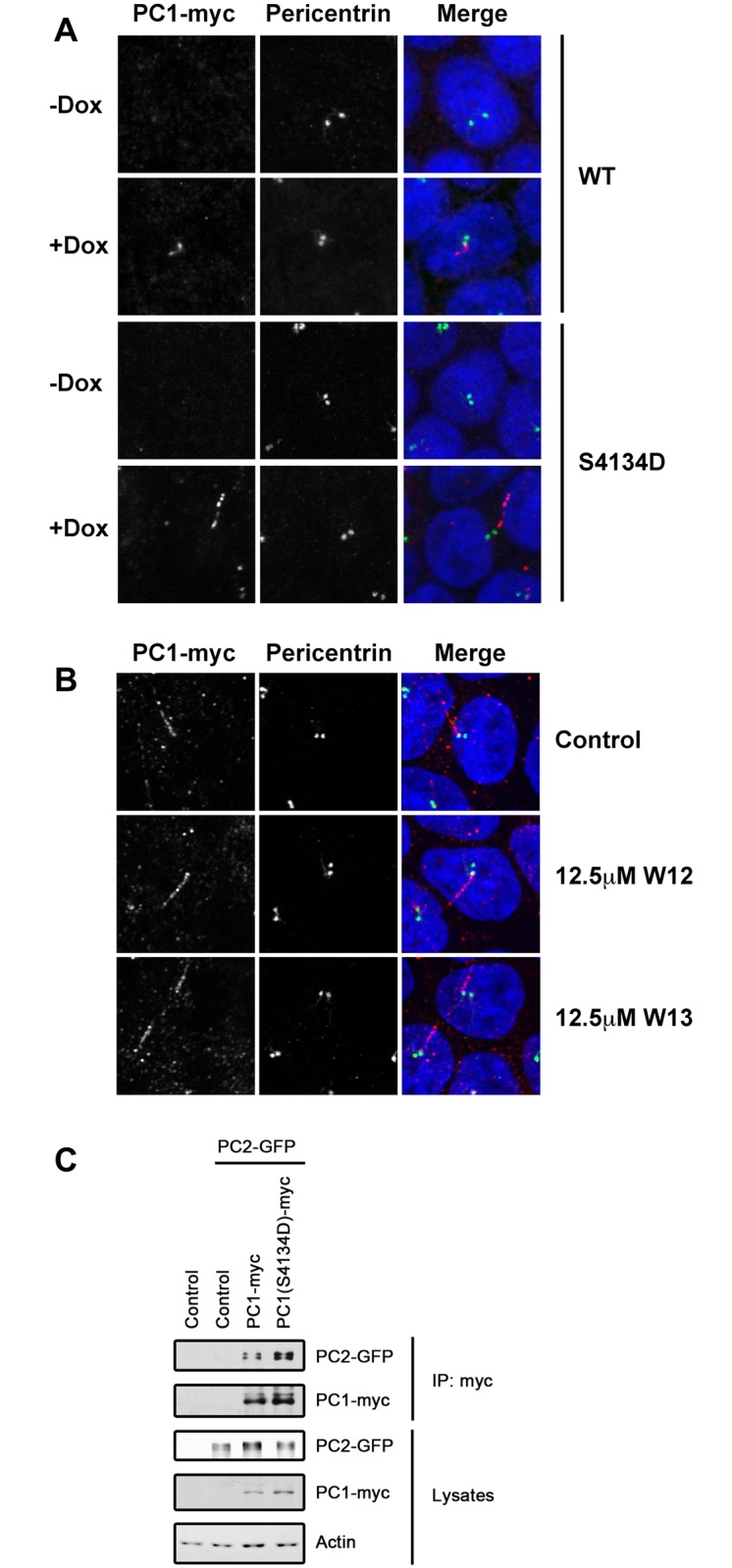
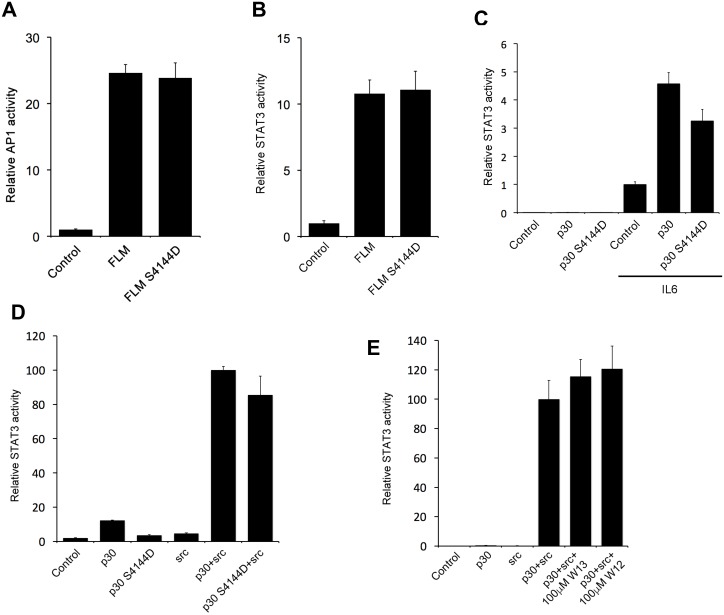
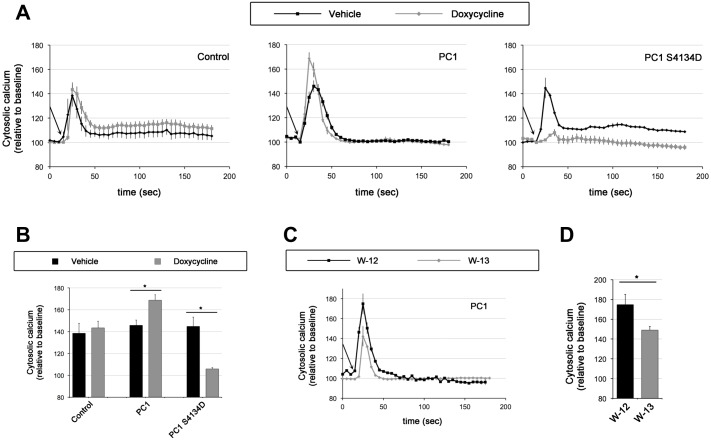
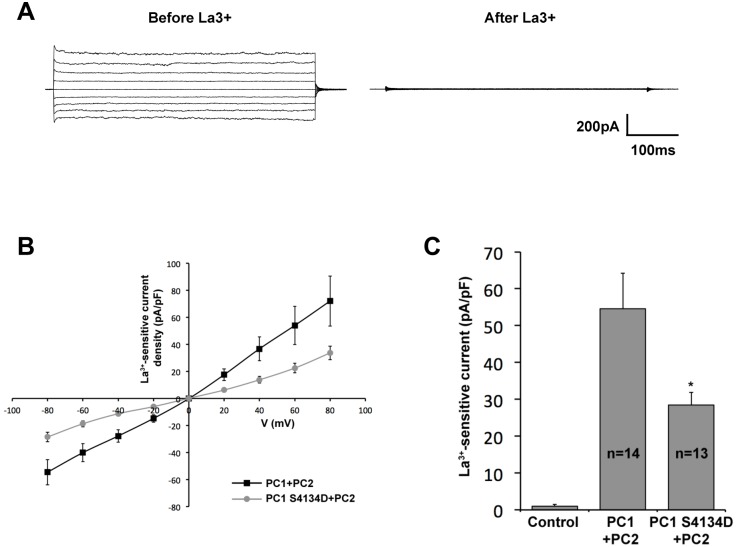
Autosomal Dominant Polycystic Kidney Disease (ADPKD) is a common genetic disease that leads to progressive renal cyst growth and loss of renal function, and is caused by mutations in the genes encoding polycystin-1 (PC1) and polycystin-2 (PC2), respectively. The PC1/PC2 complex localizes to primary cilia and can act as a flow-dependent calcium channel in addition to numerous other signaling functions. The exact functions of the polycystins, their regulation and the purpose of the PC1/PC2 channel are still poorly understood. PC1 is an integral membrane protein with a large extracytoplasmic N-terminal domain and a short, ~200 amino acid C-terminal cytoplasmic tail. Most proteins that interact with PC1 have been found to bind via the cytoplasmic tail. Here we report that the PC1 tail has homology to the regulatory domain of myosin heavy chain including a conserved calmodulin-binding motif. This motif binds to CaM in a calcium-dependent manner. Disruption of the CaM-binding motif in PC1 does not affect PC2 binding, cilia targeting, or signaling via heterotrimeric G-proteins or STAT3. However, disruption of CaM binding inhibits the PC1/PC2 calcium channel activity and the flow-dependent calcium response in kidney epithelial cells. Furthermore, expression of CaM-binding mutant PC1 disrupts cellular energy metabolism. These results suggest that critical functions of PC1 are regulated by its ability to sense cytosolic calcium levels via binding to CaM.
常染色体显性多囊肾病(ADPKD)是一种常见的遗传性疾病,可导致肾囊肿进行性生长和肾功能丧失,分别由编码多囊蛋白-1(PC1)和多囊蛋白-2(PC2)的基因突变引起。PC1/PC2复合物定位于初级纤毛,除了许多其他信号功能外,还可作为一种流量依赖性钙通道。多囊蛋白的确切功能、它们的调节以及PC1/PC2通道的作用仍知之甚少。PC1是一种整合膜蛋白,具有一个大的胞外N端结构域和一个短的、约200个氨基酸的C端胞质尾巴。大多数与PC1相互作用的蛋白质已被发现是通过胞质尾巴结合的。在此我们报告,PC1尾巴与肌球蛋白重链的调节结构域具有同源性,包括一个保守的钙调蛋白结合基序。该基序以钙依赖性方式与钙调蛋白结合。PC1中钙调蛋白结合基序的破坏不影响PC2结合、纤毛靶向或通过异源三聚体G蛋白或信号转导和转录激活因子3(STAT3)的信号传导。然而,钙调蛋白结合的破坏会抑制肾上皮细胞中的PC1/PC2钙通道活性和流量依赖性钙反应。此外,钙调蛋白结合突变体PC1的表达会破坏细胞能量代谢。这些结果表明,PC1的关键功能是通过其与钙调蛋白结合来感知胞质钙水平的能力来调节的。