Xu Jumei, Chen Xue, Yu Shuiqing, Su Yong, Zhu Weiyun
Jiangsu Key Laboratory of Gastrointestinal Nutrition and Animal Health, College of Animal Science and Technology, Nanjing Agricultural University, Nanjing, 210095, China.
PLoS One. 2016 Sep 9;11(9):e0162461. doi: 10.1371/journal.pone.0162461. eCollection 2016.
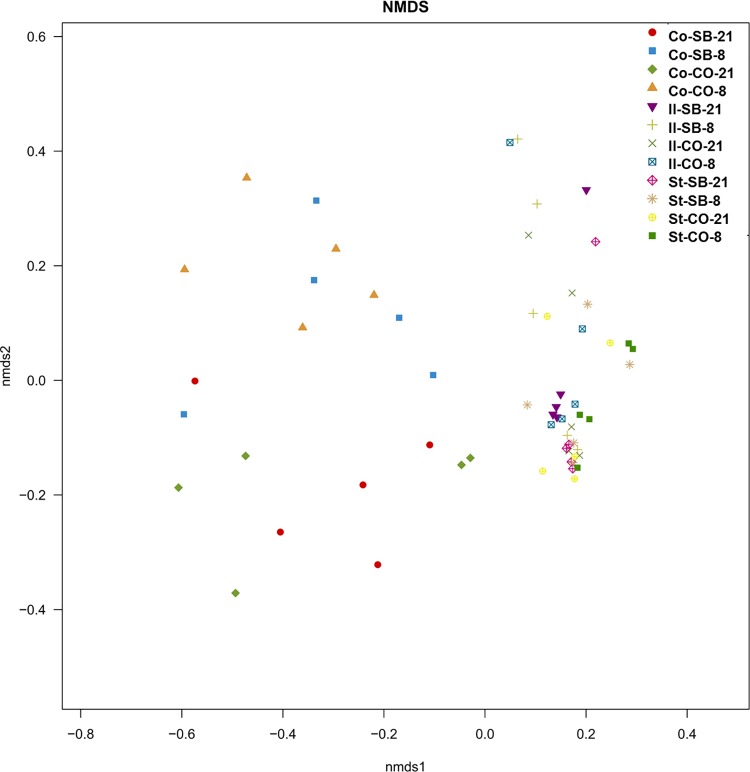
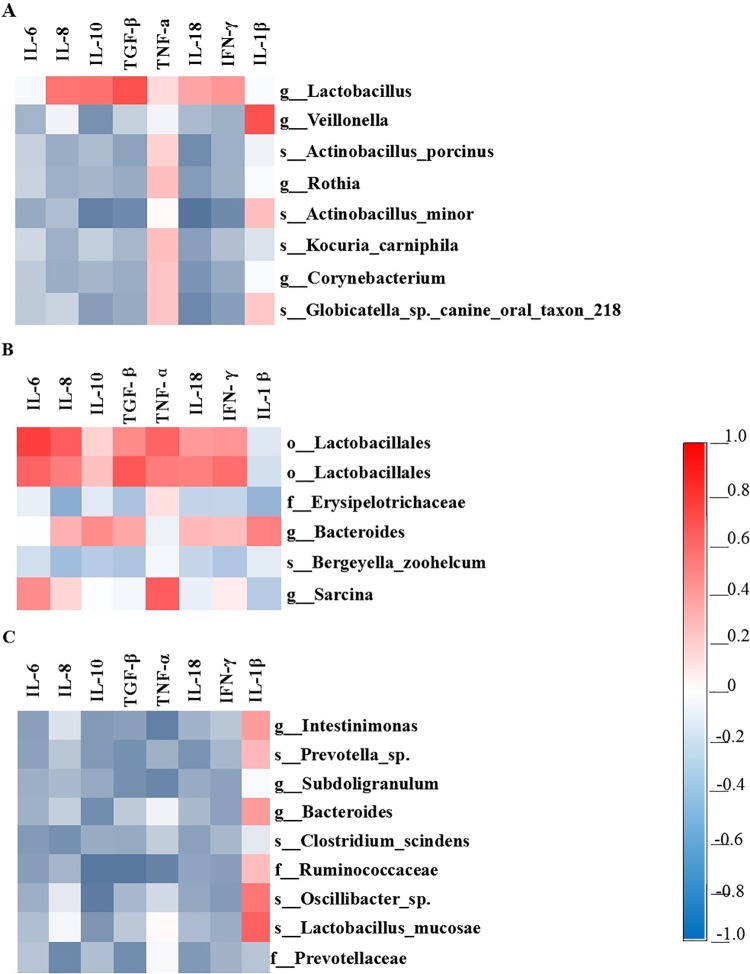
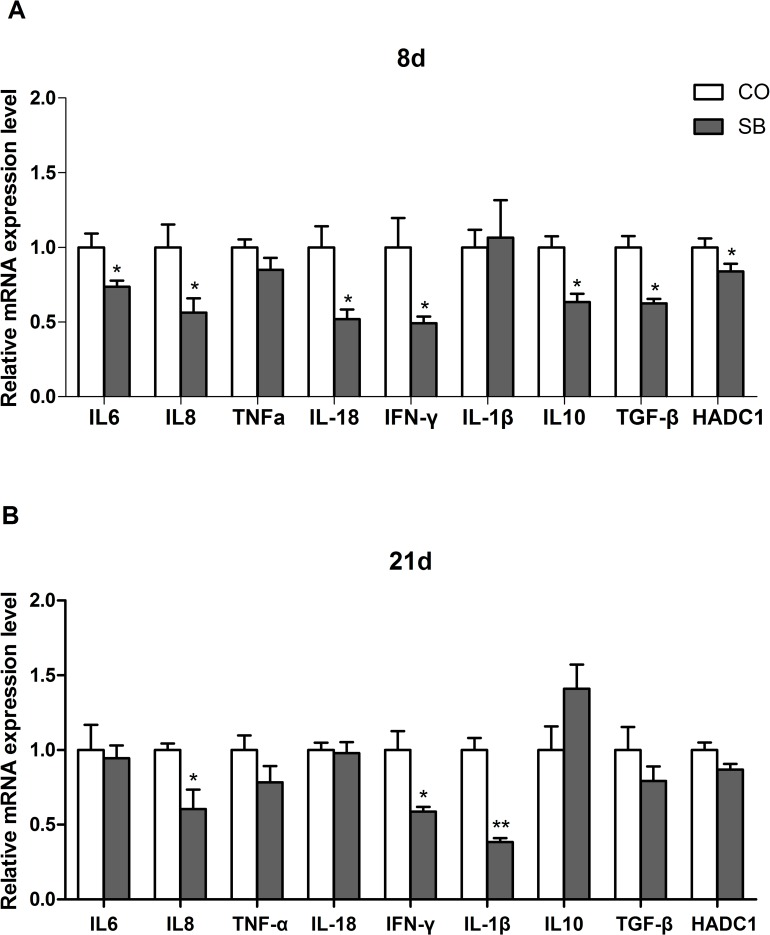
Butyrate in the gut of animals has potential properties including regulating the innate immune, modulating the lipid metabolism, and protecting gut healthy. So far, only limited information on the impact of butyrate on the neonatal is available. This study aimed to investigate effects of oral administration of sodium butyrate (SB) on gut microbiota and the expression of inflammatory cytokine in neonatal piglets. Ten litters of crossbred newborn piglets were randomly allocated to the SB and control (CO) groups, each group consisted of five litters (replicates). Piglets in the SB group were orally administrated with 7 to 13 ml sodium butyrate solution (150 mmol/l) per day from the age of 1 to 7 days, respectively; piglets in the CO group were treated with the same dose of physiological saline. On days 8 and 21 (of age), gut digesta and tissues were collected for the analysis of microbiota, butyrate concentration and gene expression of inflammatory cytokine. Results showed that there was no difference in the butyrate concentration in the gut of piglets on days 8 and 21 between two groups. Real-time PCR assay showed that SB had no effect on the numbers of total bacteria in the stomach, ileum, and colon. MiSeq sequencing of the V3-V4 region of the 16S rRNA gene revealed that SB increased the richness in the stomach and colon, and the diversity of colonic microbiota on day 8 (P < 0.05). Genera Acinetobacter, Actinobacillus, Facklamia, Globicatella, Kocuria, Rothia, unclassified Leptotrichiaceae, unclassified Neisseriaceae, and unclassified Prevotellaceae in the stomach were increased in relative abundance by SB treatment, whereas the abundances of Lactobacillus decreased on day 8 (P < 0.05). At the genus and operational taxonomic unit (OTU) levels, SB had low impact on bacterial community in the ileum and colon on days 8 and 21. SB treatment decreased the expression of IL-6, IL-8, IFN-γ, IL-10, TGF-β, and histone deacetylase 1 (HDAC1) in the ileum of piglets on day 8 (P < 0.05). SB treatment down-regulated the expression of IL-8, IFN-γ, and IL-1β on day 21 (P < 0.05). Correlation analysis on the combined datasets revealed some potential relationships between gut microbiota and the expression of inflammatory cytokines. The results show that early intervention with sodium butyrate can modulate the ileum inflammatory cytokine in neonatal piglets with low impact on intestinal microbial structure, which suggests oral administration of SB may have a benefit role in the health of neonatal piglets.
动物肠道中的丁酸盐具有多种潜在特性,包括调节先天性免疫、调节脂质代谢和保护肠道健康。到目前为止,关于丁酸盐对新生儿影响的信息有限。本研究旨在探讨口服丁酸钠(SB)对新生仔猪肠道微生物群和炎性细胞因子表达的影响。将十窝杂交新生仔猪随机分为SB组和对照组(CO),每组由五窝(重复)组成。SB组仔猪在1至7日龄时每天分别口服7至13ml丁酸钠溶液(150mmol/L);CO组仔猪用相同剂量的生理盐水处理。在第8天和第21天(日龄),收集肠道消化物和组织,用于分析微生物群、丁酸盐浓度和炎性细胞因子的基因表达。结果显示,两组仔猪在第8天和第21天肠道中的丁酸盐浓度没有差异。实时PCR检测表明,SB对胃、回肠和结肠中总细菌数量没有影响。对16S rRNA基因V3-V4区域的MiSeq测序显示,SB增加了第8天胃和结肠中的丰富度以及结肠微生物群的多样性(P<0.05)。SB处理使胃中不动杆菌属、放线杆菌属、法克勒菌属、球形菌属、考克氏菌属、罗氏菌属、未分类的纤毛菌科、未分类的奈瑟菌科和未分类的普雷沃菌科的相对丰度增加,而第8天乳酸杆菌的丰度降低(P<0.05)。在属和操作分类单元(OTU)水平上,SB在第8天和第21天对回肠和结肠中的细菌群落影响较小。SB处理降低了第8天仔猪回肠中IL-6、IL-8、IFN-γ、IL-10、TGF-β和组蛋白去乙酰化酶1(HDAC1)的表达(P<0.05)。SB处理在第21天下调了IL-8、IFN-γ和IL-1β的表达(P<0.05)。对合并数据集的相关性分析揭示了肠道微生物群与炎性细胞因子表达之间的一些潜在关系。结果表明,早期用丁酸钠干预可调节新生仔猪回肠中的炎性细胞因子,对肠道微生物结构影响较小,这表明口服SB可能对新生仔猪的健康有益。