Lipiec Jerzy, Frąc Magdalena, Brzezińska Małgorzata, Turski Marcin, Oszust Karolina
Institute of Agrophysics, Polish Academy of Sciences Lublin, Poland.
Front Microbiol. 2016 Aug 30;7:1361. doi: 10.3389/fmicb.2016.01361. eCollection 2016.
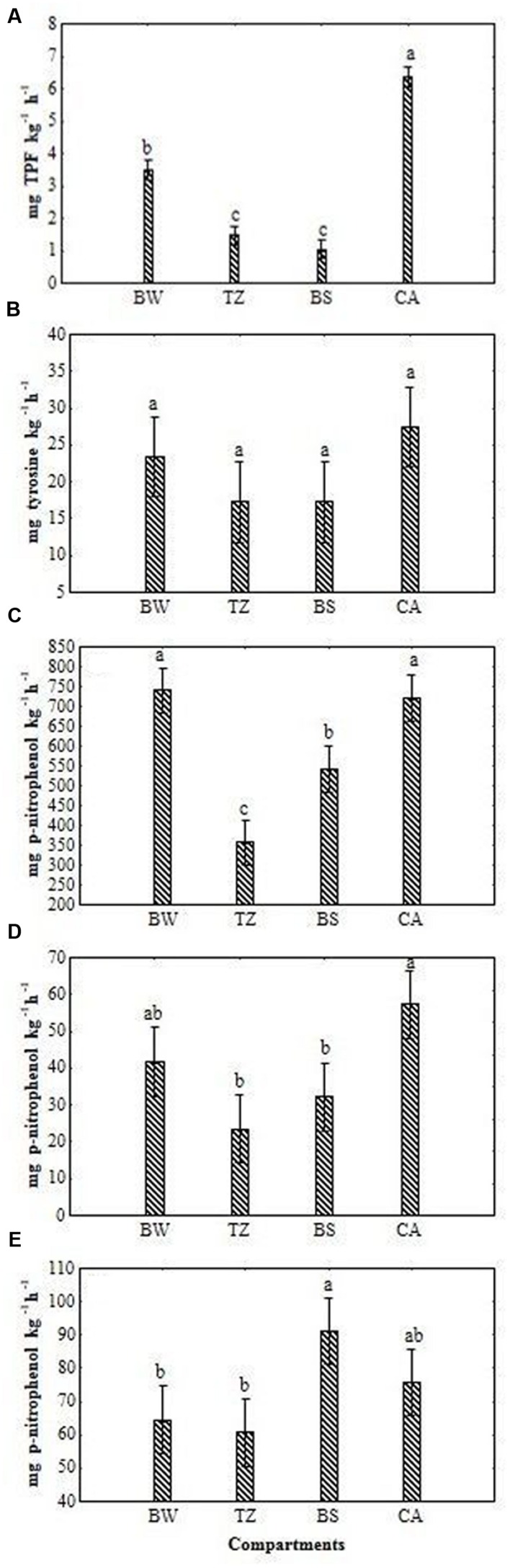
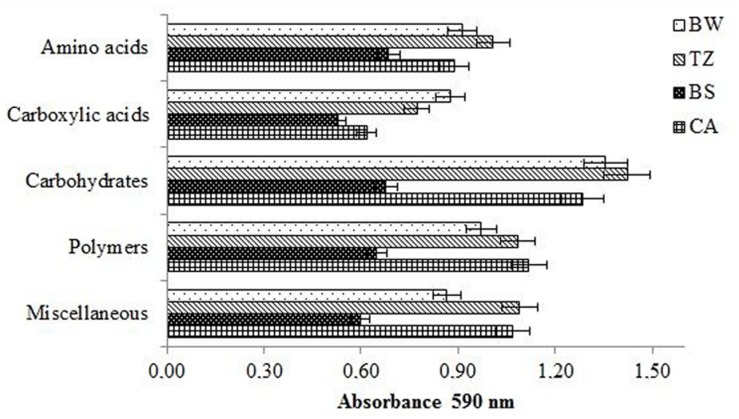
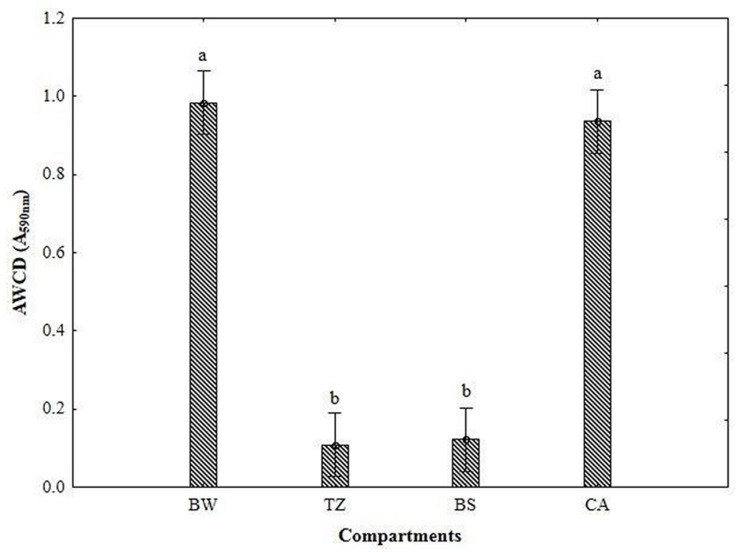
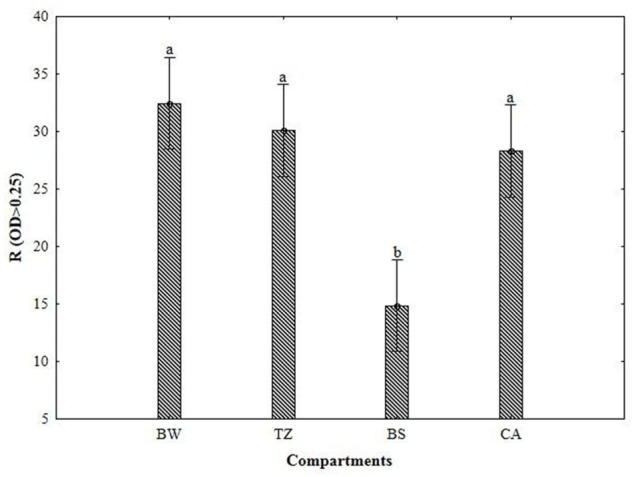
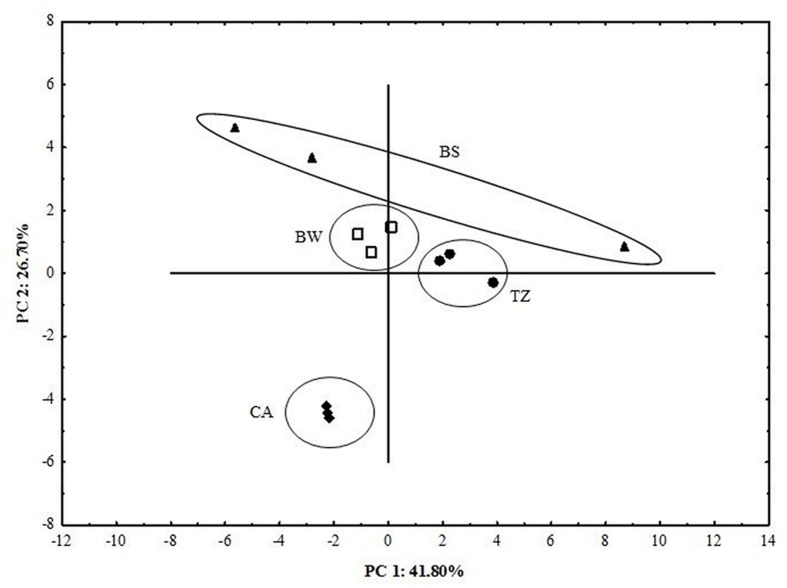
The aim of this work was to evaluate the effect of earthworms (Lumbricidae) on the enzymatic activity and microbial functional diversity in the burrow system [burrow wall (BW) 0-3 mm, transitional zone (TZ) 3-7 mm, bulk soil (BS) > 20 mm from the BW] and cast aggregates of a loess soil under a pear orchard. The dehydrogenase, β-glucosidase, protease, alkaline phosphomonoesterase, and acid phosphomonoesterase enzymes were assessed using standard methods. The functional diversity (catabolic potential) was assessed using the Average Well Color Development and Richness Index following the community level physiological profiling from Biolog Eco Plates. All measurements were done using soil from each compartment immediately after in situ sampling in spring. The enzymatic activites including dehydrogenase, protease, β-glucosidase and alkaline phosphomonoesterase were appreciably greater in the BW or casts than in BS and TZ. Conversely, acid phosphomonoesterase had the largest value in the BS. Average Well Color Development in both the TZ and the BS (0.98-0.94 A590 nm) were more than eight times higher than in the BWs and casts. The lowest richness index in the BS (15 utilized substrates) increased by 86-113% in all the other compartments. The PC1 in principal component analysis mainly differentiated the BWs and the TZ. Utilization of all substrate categories was the lowest in the BS. The PC2 differentiated the casts from the other compartments. The enhanced activity of a majority of the enzymes and increased microbial functional diversity in most earthworm-influenced compartments make the soils less vulnerable to degradation and thus increases the stability of ecologically relevant processes in the orchard ecosystem.
这项工作的目的是评估蚯蚓(正蚓科)对梨园黄土土壤洞穴系统[洞穴壁(BW)0 - 3毫米、过渡带(TZ)3 - 7毫米、距洞穴壁大于20毫米的原状土(BS)]和蚓粪团聚体中酶活性及微生物功能多样性的影响。采用标准方法评估脱氢酶、β - 葡萄糖苷酶、蛋白酶、碱性磷酸单酯酶和酸性磷酸单酯酶的活性。使用Biolog生态板通过群落水平生理特征分析,采用平均孔显色和丰富度指数评估功能多样性(分解代谢潜力)。所有测量均在春季原位采样后立即使用各隔室的土壤进行。包括脱氢酶、蛋白酶、β - 葡萄糖苷酶和碱性磷酸单酯酶在内的酶活性在洞穴壁或蚓粪中明显高于原状土和过渡带。相反,酸性磷酸单酯酶在原状土中的值最大。过渡带和原状土中的平均孔显色(0.98 - 0.94 A590 nm)比洞穴壁和蚓粪中的高出八倍多。原状土中最低的丰富度指数(15种利用的底物)在所有其他隔室中增加了86 - 113%。主成分分析中的PC1主要区分了洞穴壁和过渡带。原状土中所有底物类别的利用率最低。PC2区分了蚓粪与其他隔室。大多数受蚯蚓影响的隔室中多数酶活性增强以及微生物功能多样性增加,使土壤更不易退化,从而提高了果园生态系统中生态相关过程的稳定性。