Fiorotto Romina, Villani Ambra, Kourtidis Antonis, Scirpo Roberto, Amenduni Mariangela, Geibel Peter J, Cadamuro Massimiliano, Spirli Carlo, Anastasiadis Panos Z, Strazzabosco Mario
Section of Digestive Diseases, Liver Center, Yale University, New Haven, CT.
International Center for Digestive Health, University of Milan-Bicocca, Milan, Italy.
Hepatology. 2016 Dec;64(6):2118-2134. doi: 10.1002/hep.28817. Epub 2016 Oct 27.
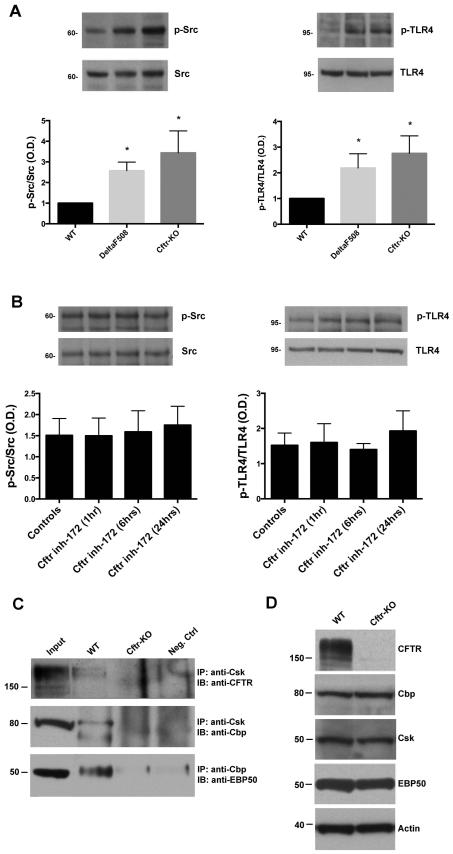
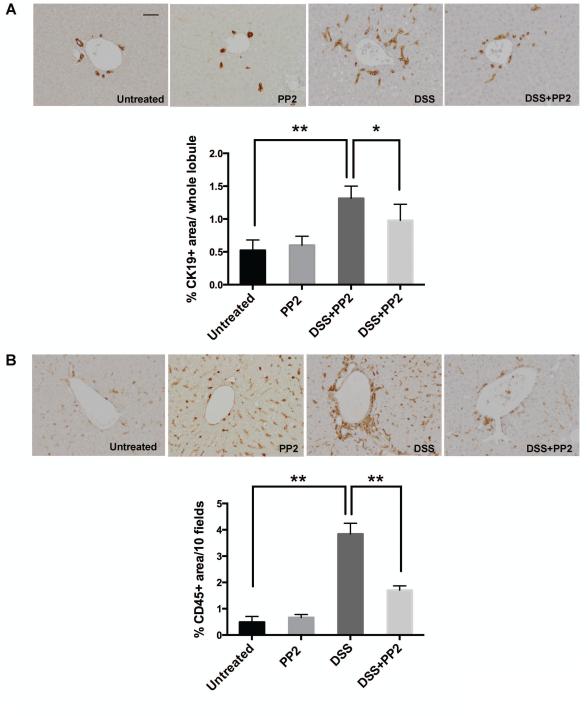
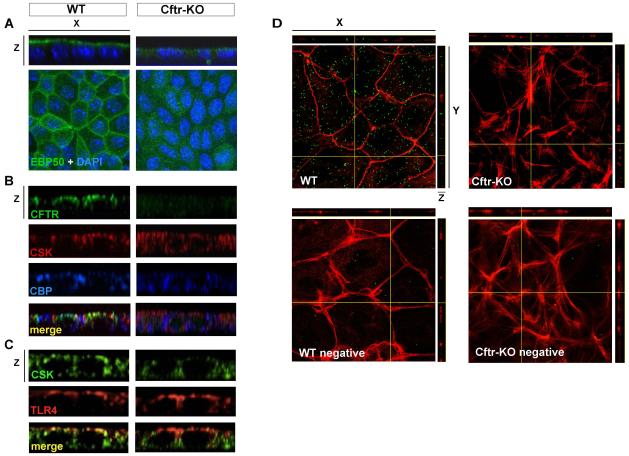
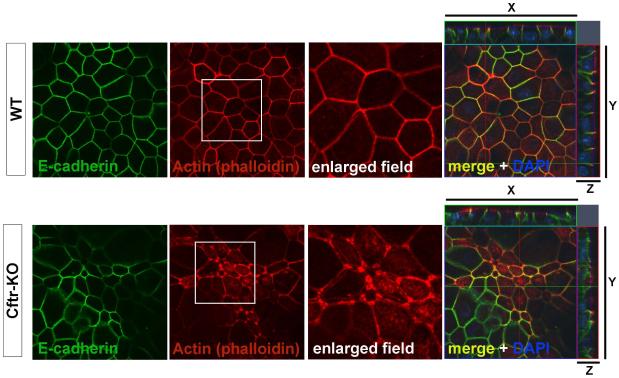
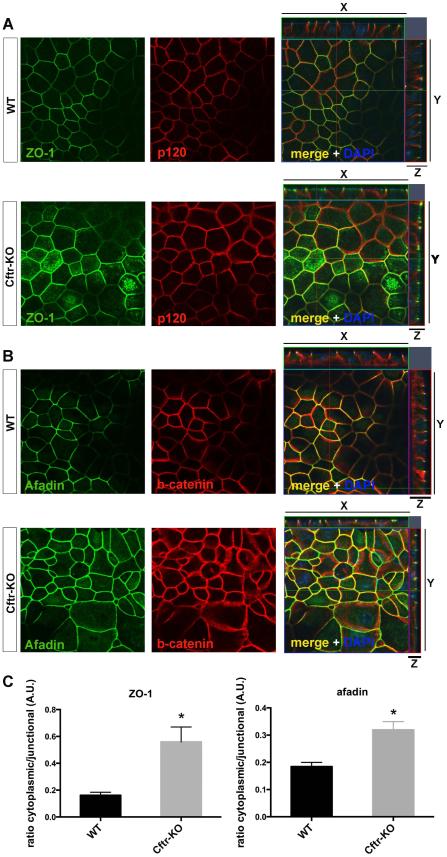
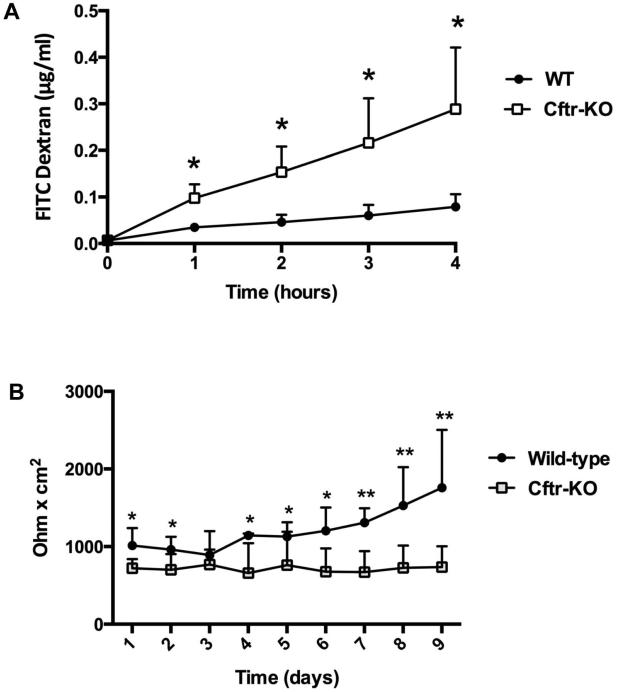
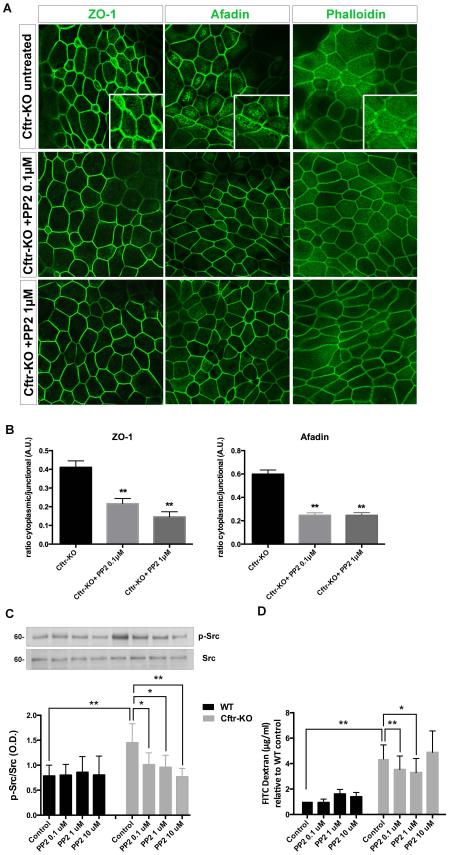
In the liver, the cystic fibrosis (CF) transmembrane conductance regulator (CFTR) regulates bile secretion and other functions at the apical membrane of biliary epithelial cells (i.e., cholangiocytes). CF-related liver disease is a major cause of death in patients with CF. CFTR dysfunction affects innate immune pathways, generating a para-inflammatory status in the liver and other epithelia. This study investigates the mechanisms linking CFTR to toll-like receptor 4 activity. We found that CFTR is associated with a multiprotein complex at the apical membrane of normal mouse cholangiocytes, with proteins that negatively control Rous sarcoma oncogene cellular homolog (Src) activity. In CFTR-defective cholangiocytes, Src tyrosine kinase self-activates and phosphorylates toll-like receptor 4, resulting in activation of nuclear factor kappa-light-chain-enhancer of activated B cells and increased proinflammatory cytokine production in response to endotoxins. This Src/nuclear factor kappa-light-chain-enhancer of activated B cells-dependent inflammatory process attracts inflammatory cells but also generates changes in the apical junctional complex and loss of epithelial barrier function. Inhibition of Src decreased the inflammatory response of CF cholangiocytes to lipopolysaccharide, rescued the junctional defect in vitro, and significantly attenuated endotoxin-induced biliary damage and inflammation in vivo (Cftr knockout mice).
These findings reveal a novel function of CFTR as a regulator of toll-like receptor 4 responses and cell polarity in biliary epithelial cells; this mechanism is pathogenetic, as shown by the protective effects of Src inhibition in vivo, and may be a novel therapeutic target in CF-related liver disease and other inflammatory cholangiopathies. (Hepatology 2016;64:2118-2134).
在肝脏中,囊性纤维化(CF)跨膜传导调节因子(CFTR)调节胆汁分泌以及胆管上皮细胞(即胆管细胞)顶膜的其他功能。CF相关肝病是CF患者的主要死因。CFTR功能障碍影响固有免疫途径,在肝脏和其他上皮组织中产生类炎症状态。本研究调查了将CFTR与Toll样受体4活性联系起来的机制。我们发现,CFTR在正常小鼠胆管细胞的顶膜处与一种多蛋白复合物相关联,该复合物中的蛋白质可负向控制罗氏肉瘤病毒癌基因同源物(Src)的活性。在CFTR缺陷的胆管细胞中,Src酪氨酸激酶自我激活并使Toll样受体4磷酸化,导致活化B细胞核因子κ轻链增强子激活,并增加对内毒素的促炎细胞因子产生。这种依赖Src/活化B细胞核因子κ轻链增强子的炎症过程吸引炎症细胞,但也会导致顶连接复合体发生变化并丧失上皮屏障功能。抑制Src可降低CF胆管细胞对脂多糖的炎症反应,在体外挽救连接缺陷,并在体内显著减轻内毒素诱导的胆管损伤和炎症(Cftr基因敲除小鼠)。
这些发现揭示了CFTR作为胆管上皮细胞中Toll样受体4反应和细胞极性调节因子的新功能;如体内Src抑制的保护作用所示,该机制具有致病性,可能是CF相关肝病和其他炎症性胆管病的新治疗靶点。(《肝脏病学》2016年;64:2118 - 2134)