Hassan Afreenish, Naz Anam, Obaid Ayesha, Paracha Rehan Zafar, Naz Kanwal, Awan Faryal Mehwish, Muhmmad Syed Aun, Janjua Hussnain Ahmed, Ahmad Jamil, Ali Amjad
Atta-ur-Rahman School of Applied Biosciences (ASAB), National University of Sciences and Technology (NUST), H-12, Islamabad, Pakistan.
Research Center for Modeling and Simulation (RCMS), National University of Sciences and Technology (NUST), H-12, Islamabad, Pakistan.
BMC Genomics. 2016 Sep 15;17(1):732. doi: 10.1186/s12864-016-2951-4.
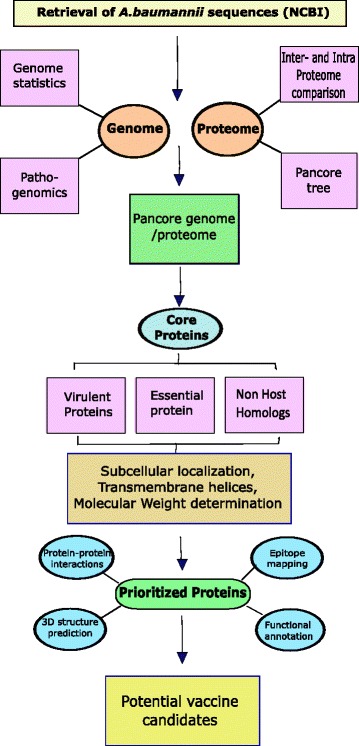
Acinetobacter baumannii has emerged as a significant nosocomial pathogen during the last few years, exhibiting resistance to almost all major classes of antibiotics. Alternative treatment options such as vaccines tend to be most promising and cost effective approaches against this resistant pathogen. In the current study, we have explored the pan-genome of A. baumannii followed by immune-proteomics and reverse vaccinology approaches to identify potential core vaccine targets.
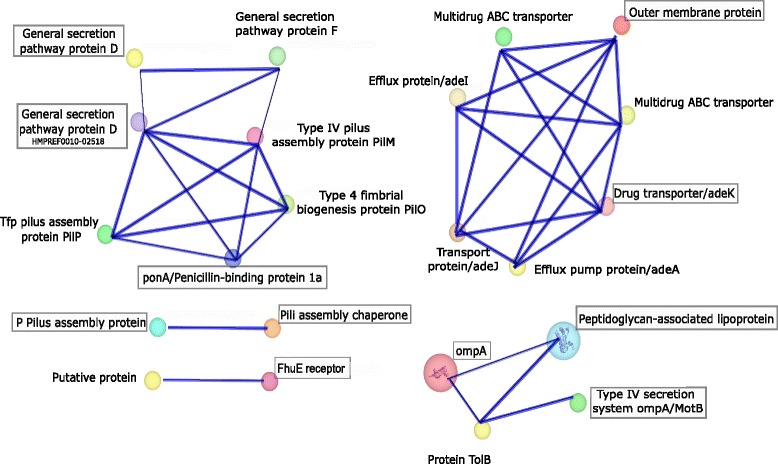
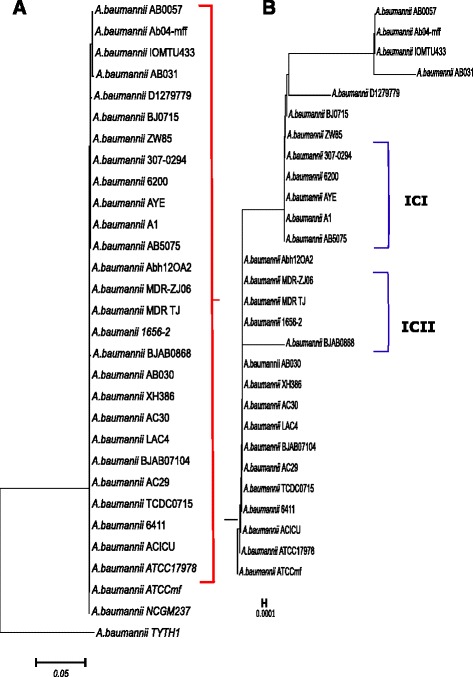
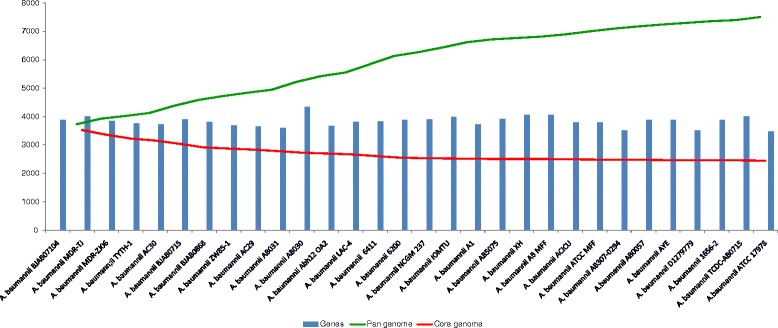
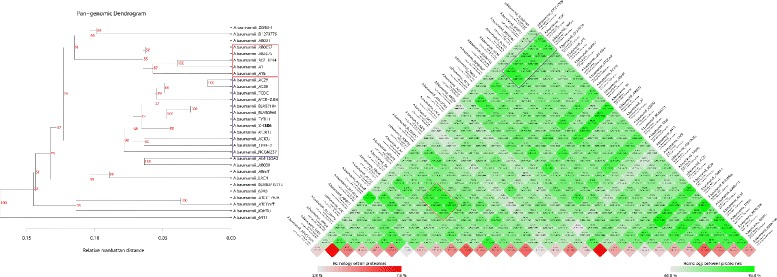
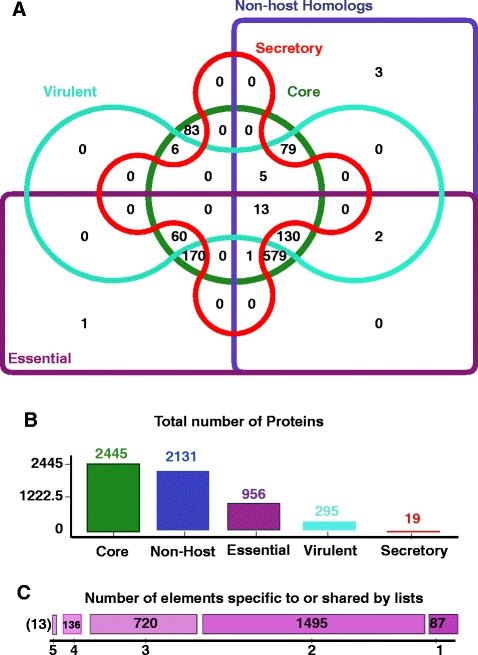
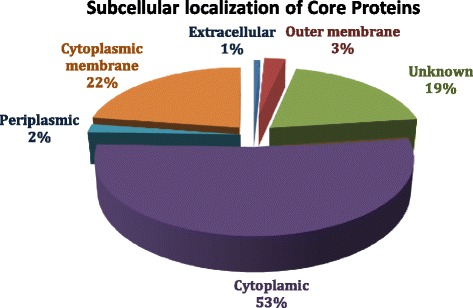
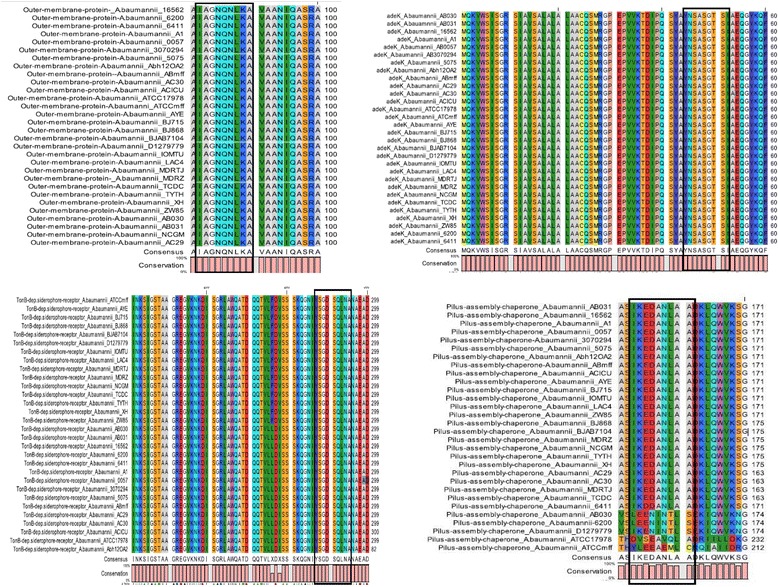
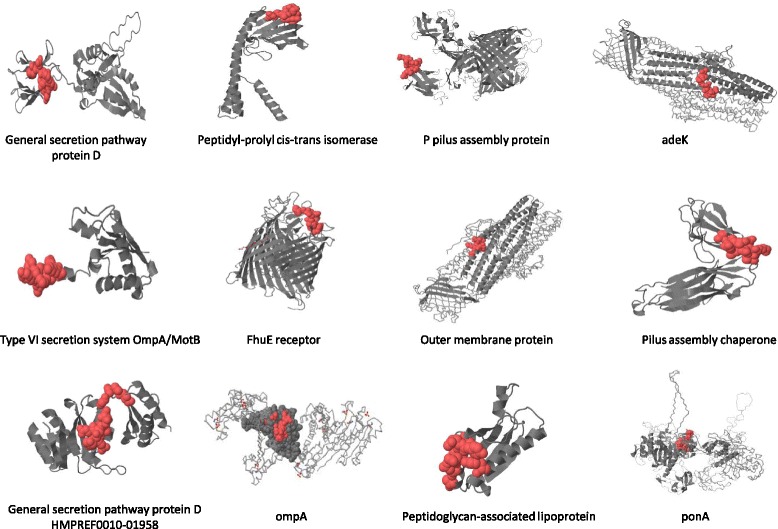
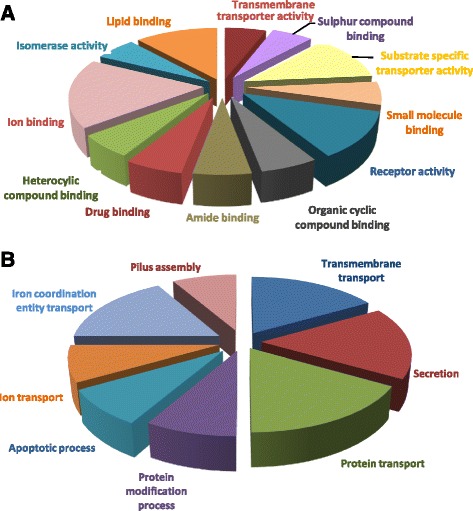
The pan-genome of all available A. baumannii strains (30 complete genomes) is estimated to contain 7,606 gene families and the core genome consists of 2,445 gene families (~32 % of the pan-genome). Phylogenetic tree, comparative genomic and proteomic analysis revealed both intra- and inter genomic similarities and evolutionary relationships. Among the conserved core genome, thirteen proteins, including P pilus assembly protein, pili assembly chaperone, AdeK, PonA, OmpA, general secretion pathway protein D, FhuE receptor, Type VI secretion system OmpA/MotB, TonB dependent siderophore receptor, general secretion pathway protein D, outer membrane protein, peptidoglycan associated lipoprotein and peptidyl-prolyl cis-trans isomerase are identified as highly antigenic. Epitope mapping of the target proteins revealed the presence of antigenic surface exposed 9-mer T-cell epitopes. Protein-protein interaction and functional annotation have shown their involvement in significant biological and molecular processes. The pipeline is validated by predicting already known immunogenic targets against Gram negative pathogen Helicobacter pylori as a positive control.
The study, based upon combinatorial approach of pan-genomics, core genomics, proteomics and reverse vaccinology led us to find out potential vaccine candidates against A. baumannii. The comprehensive analysis of all the completely sequenced genomes revealed thirteen putative antigens which could elicit substantial immune response. The integration of computational vaccinology strategies would facilitate in tackling the rapid dissemination of resistant A.baumannii strains. The scarcity of effective antibiotics and the global expansion of sequencing data making this approach desirable in the development of effective vaccines against A. baumannii and other bacterial pathogens.
在过去几年中,鲍曼不动杆菌已成为一种重要的医院病原体,对几乎所有主要类别的抗生素都表现出耐药性。诸如疫苗等替代治疗选择往往是针对这种耐药病原体最有前景且成本效益高的方法。在当前研究中,我们探究了鲍曼不动杆菌的泛基因组,随后采用免疫蛋白质组学和反向疫苗学方法来鉴定潜在的核心疫苗靶点。
估计所有可用的鲍曼不动杆菌菌株(30个完整基因组)的泛基因组包含7606个基因家族,核心基因组由2445个基因家族组成(约占泛基因组的32%)。系统发育树、比较基因组和蛋白质组分析揭示了基因组内和基因组间的相似性及进化关系。在保守的核心基因组中,13种蛋白质被鉴定为具有高度抗原性,包括P菌毛组装蛋白、菌毛组装伴侣蛋白、AdeK、PonA、OmpA、通用分泌途径蛋白D、FhuE受体、VI型分泌系统OmpA/MotB、TonB依赖性铁载体受体、通用分泌途径蛋白D、外膜蛋白、肽聚糖相关脂蛋白和肽基脯氨酰顺反异构酶。对目标蛋白的表位作图揭示了存在抗原性表面暴露的9聚体T细胞表位。蛋白质-蛋白质相互作用和功能注释表明它们参与了重要的生物学和分子过程。通过预测针对革兰氏阴性病原体幽门螺杆菌的已知免疫原性靶点作为阳性对照,对该流程进行了验证。
基于泛基因组学、核心基因组学、蛋白质组学和反向疫苗学的组合方法进行的这项研究,使我们找到了针对鲍曼不动杆菌的潜在疫苗候选物。对所有完全测序基因组的综合分析揭示了13种推定抗原,它们可引发大量免疫反应。计算疫苗学策略的整合将有助于应对耐药鲍曼不动杆菌菌株的快速传播。有效抗生素的稀缺以及测序数据的全球扩展使得这种方法在开发针对鲍曼不动杆菌和其他细菌病原体的有效疫苗中具有可取性。