Thompson Okechukwu, Ajayi IkeOluwapo
Department of Epidemiology and Medical Statistics, Faculty of Public Health, College of Medicine, University of Ibadan, Ibadan 200212, Nigeria.
Depress Res Treat. 2016;2016:4518979. doi: 10.1155/2016/4518979. Epub 2016 Aug 18.
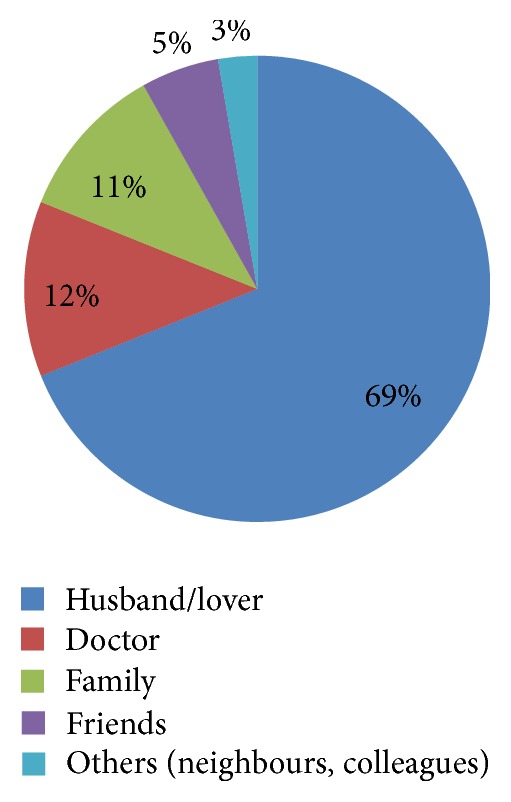
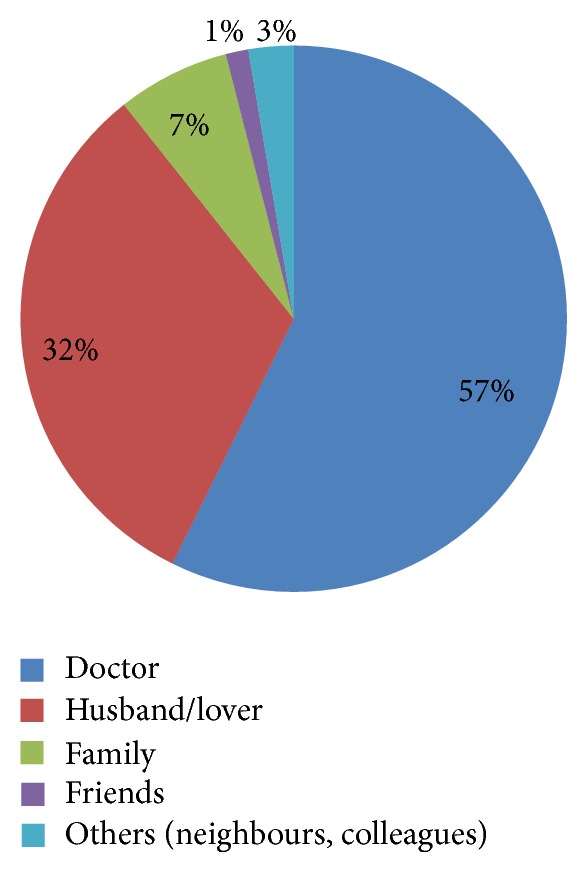
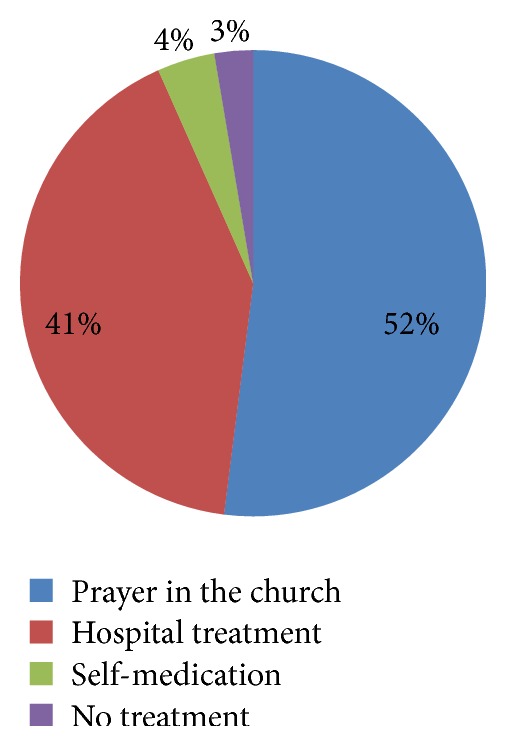
Objective. The prevalence of antenatal depression (AD) and associated risk factors among pregnant women attending antenatal clinics in Abeokuta North Local Government Area, Nigeria, was determined. Methods. A descriptive cross-sectional survey was conducted, interviewing 314 pregnant women selected by multistage sampling technique from among those attending antenatal clinics. Information was collected using structured questionnaire and a screening tool, Edinburgh Postnatal Depression Scale (EPDS), to assess probable depression. Results. The prevalence of antenatal depression was 24.5%. There were significant associations between antenatal depression and attending public health facility (P = 0.000), young maternal age (P = 0.012), single marital status (P = 0.010), not having formal education (P = 0.022), large family size (P = 0.029), planned pregnancy (P = 0.014), coexisting medical conditions (P = 0.034), history of previous caesarian section (P = 0.032), drinking alcohol during pregnancy (P = 0.004), and gender based abuse (P = 0.001). On health seeking behaviour for antenatal depression among depressed pregnant women, most, 68.9%, consulted their husbands about their symptoms; 57.3% took the decision to get treatment from doctors, and 52% sought prayer in the church. Conclusion. Antenatal depression is prevalent in this study population. Interventions to address its risk factors should be carried out and physicians should suspect depression in pregnant women reporting alcohol use and gender abuse.
目的。确定尼日利亚阿贝奥库塔北区产前诊所就诊孕妇的产前抑郁症(AD)患病率及相关风险因素。方法。进行了一项描述性横断面调查,通过多阶段抽样技术从产前诊所就诊的孕妇中选取314名进行访谈。使用结构化问卷和筛查工具爱丁堡产后抑郁量表(EPDS)收集信息,以评估可能的抑郁症。结果。产前抑郁症患病率为24.5%。产前抑郁症与就诊于公共卫生机构(P = 0.000)、产妇年龄小(P = 0.012)、单身婚姻状况(P = 0.010)、未接受正规教育(P = 0.022)、家庭规模大(P = 0.029)、计划内怀孕(P = 0.014)、并存的医疗状况(P = 0.034)、既往剖宫产史(P = 0.032)、孕期饮酒(P = 0.004)以及基于性别的虐待(P = 0.001)之间存在显著关联。关于抑郁孕妇产前抑郁症的求医行为,大多数(68.9%)向丈夫咨询症状;57.3%决定从医生处接受治疗,52%在教堂寻求祈祷。结论。本研究人群中产前抑郁症普遍存在。应针对其风险因素开展干预措施,医生应对报告有饮酒和性别虐待情况的孕妇怀疑患有抑郁症。