Wang Yu, Wang Yi-Li, Huang Xia, Yang Yang, Zhao Ya-Jun, Wei Cheng-Xi, Zhao Ming
Medicinal Chemistry and Pharmacology Institute, Inner Mongolia University for the Nationalities, No. 22 Holin He Street, Tongliao, Inner Mongolia, 028002, People's Republic of China.
Affiliated Hospital of Inner Mongolia University for Nationalities, No. 1472 Holin He Street, Tongliao, Inner Mongolia, 028002, People's Republic of China.
Heart Vessels. 2017 Feb;32(2):208-215. doi: 10.1007/s00380-016-0891-1. Epub 2016 Sep 17.
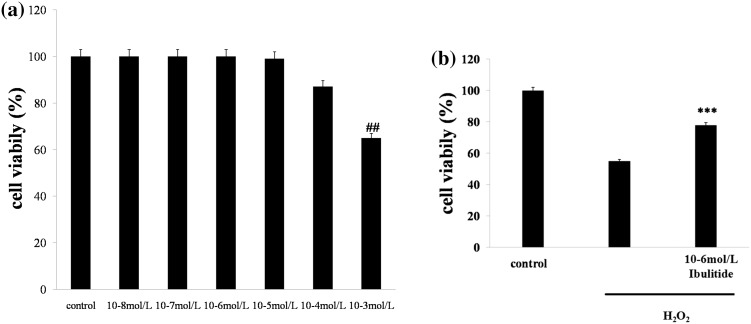
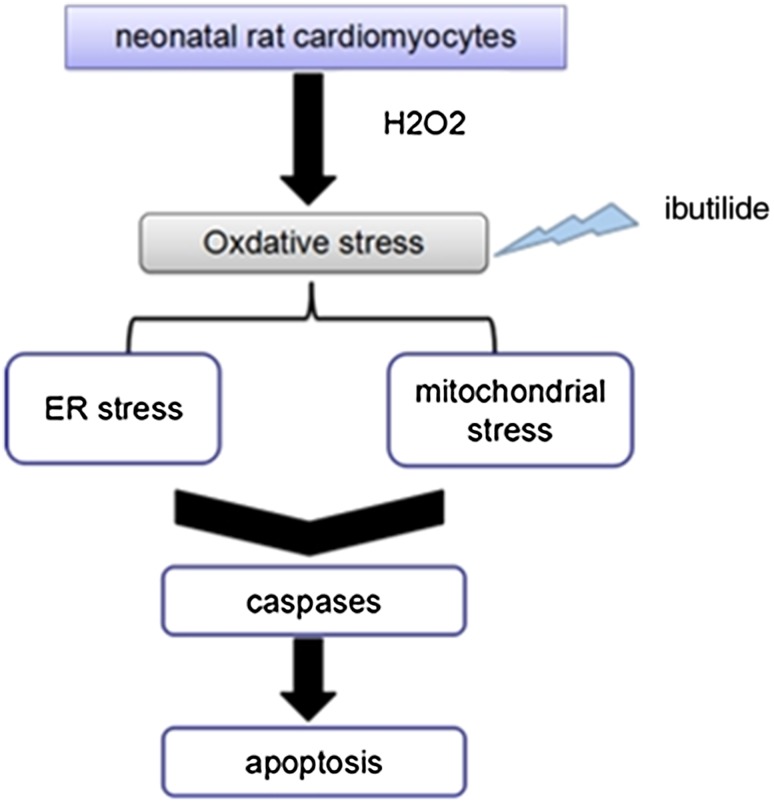
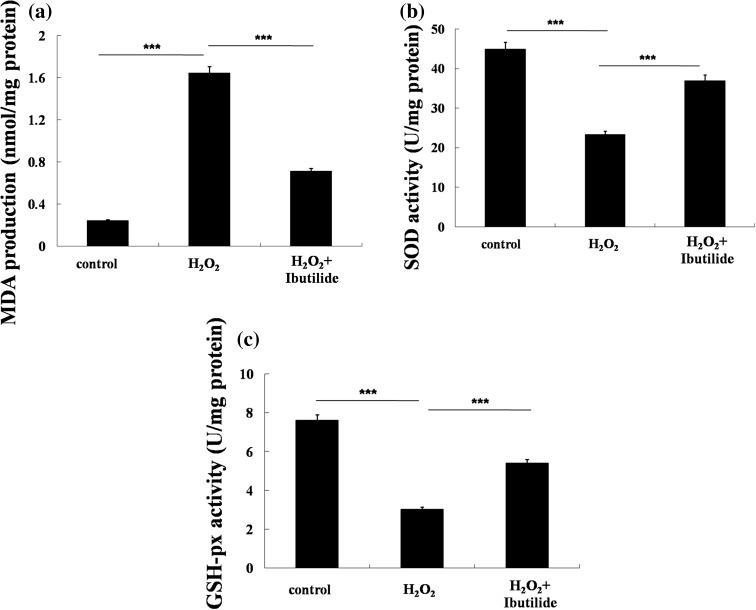
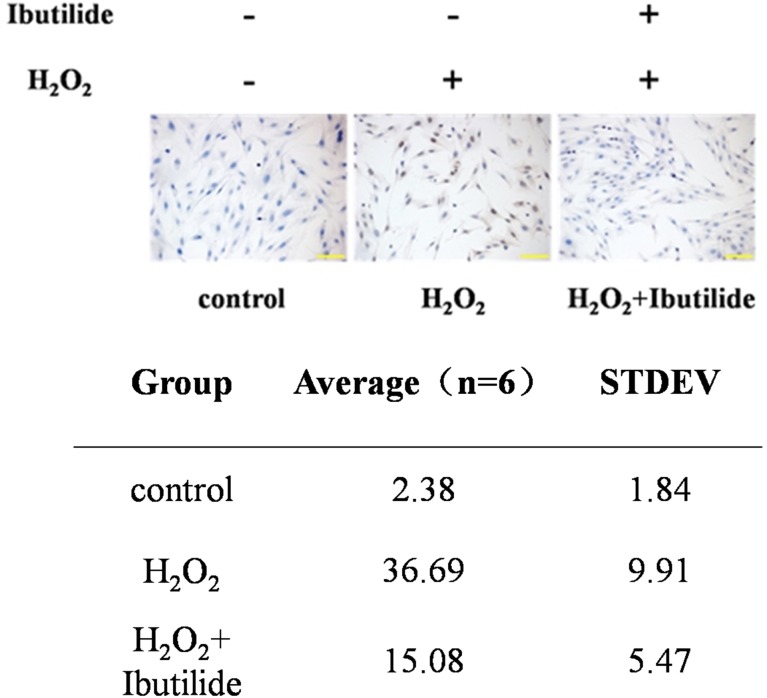
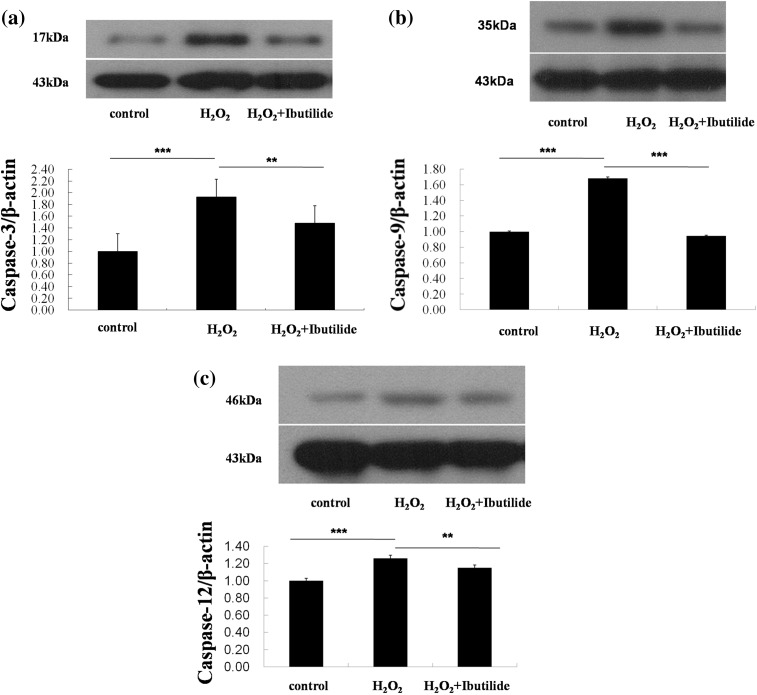
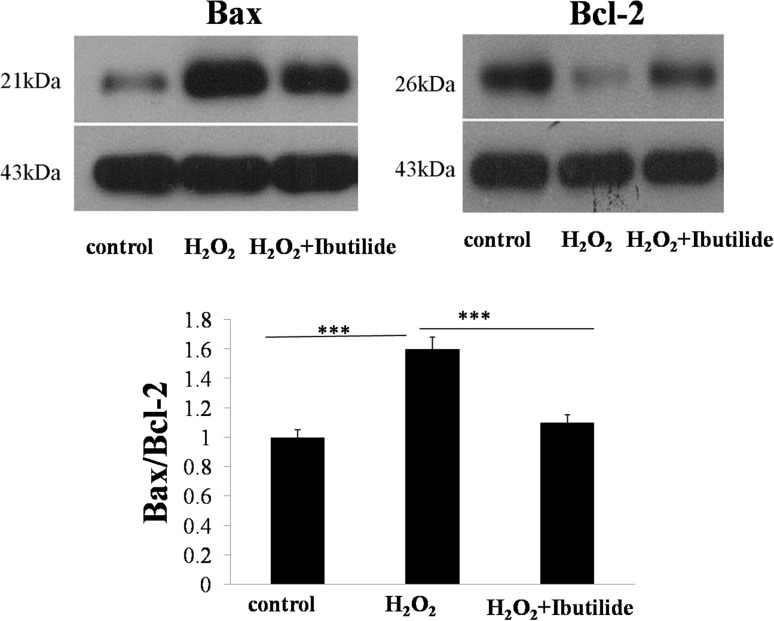
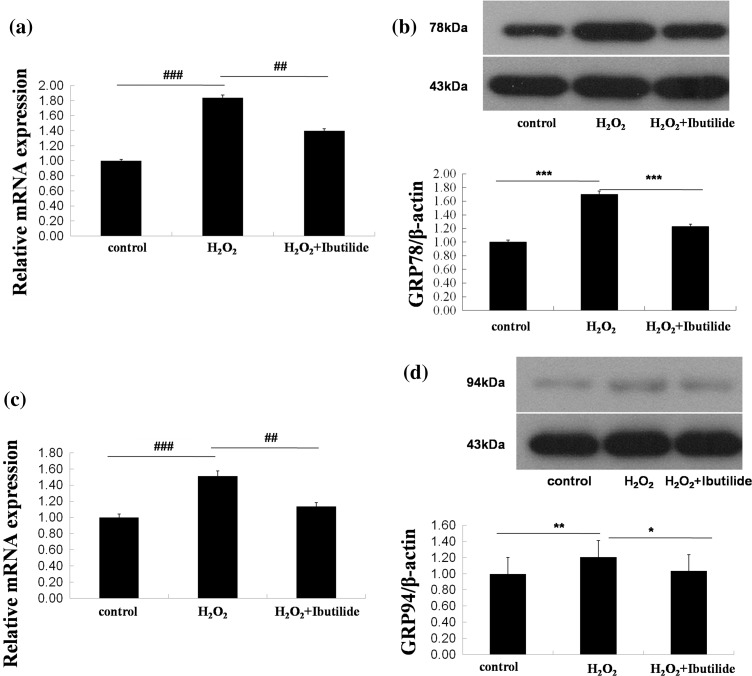
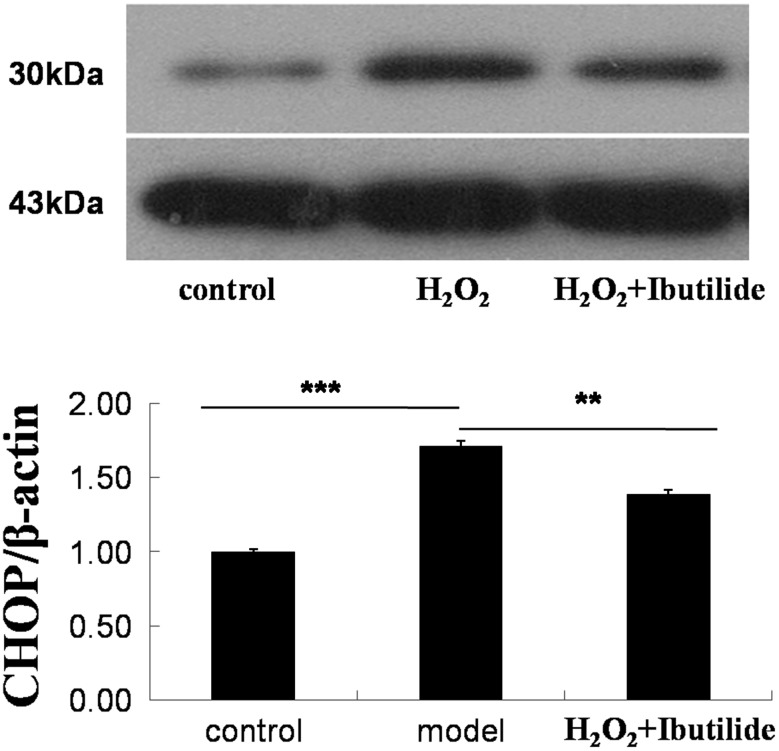
Atrial fibrillation (AF) is a complex disease with multiple inter-relating causes culminating in rapid atrial activation and atrial structural remodeling. The contribution of endoplasmic reticulum and mitochondria stress to AF has been highlighted. As the class III antiarrhythmic agent, ibutilide are widely used to AF. This study was designed to explore whether ibutilide could treat AF by inhibiting endoplasmic reticulum stress pathways and mitochondria stress. The neonatal rat cardiomyocytes were isolated and exposed to HO, ibutilide was add to the culture medium 12 h. Then the cell viability, oxidative stress levels and apoptotic rate were analyzed. In addition, endoplasmic reticulum stress related protein (GRP78, GRP94, CHOP), mitochondria-dependent protein (Bax, Bcl-2) and caspase-3/9/12 were identified by real-time PCR and western blot analysis. In our results, remarkable decreased cell viability and oxidative stress levels were detected in cardiomyocytes after treating with HO. The apoptotic rate and the expression of proteins involved in mitochondrial stress and endoplasmic reticulum stress pathways increased. While ibutilide significantly inhibited these changes. These data suggested that ibutilide serves a protective role against HO-induced apoptosis of neonatal rat cardiomyocytes, and the mechanism is related to suppression of mitochondrial stress and endoplasmic reticulum stress.
心房颤动(AF)是一种复杂的疾病,有多种相互关联的病因,最终导致心房快速激活和心房结构重塑。内质网和线粒体应激对房颤的作用已受到关注。作为III类抗心律失常药物,伊布利特被广泛用于治疗房颤。本研究旨在探讨伊布利特是否能通过抑制内质网应激途径和线粒体应激来治疗房颤。分离新生大鼠心肌细胞并暴露于过氧化氢(HO),12小时后向培养基中加入伊布利特。然后分析细胞活力、氧化应激水平和凋亡率。此外,通过实时PCR和蛋白质印迹分析鉴定内质网应激相关蛋白(GRP78、GRP94、CHOP)、线粒体相关蛋白(Bax、Bcl-2)和半胱天冬酶-3/9/12。在我们的研究结果中,用HO处理后的心肌细胞中细胞活力和氧化应激水平显著降低。凋亡率以及参与线粒体应激和内质网应激途径的蛋白质表达增加。而伊布利特显著抑制了这些变化。这些数据表明,伊布利特对HO诱导的新生大鼠心肌细胞凋亡具有保护作用,其机制与抑制线粒体应激和内质网应激有关。