Luttrell Shawn M, Gotting Kirsten, Ross Eric, Alvarado Alejandro Sánchez, Swalla Billie J
Biology Department, University of Washington, Seattle, Washington.
Friday Harbor Laboratories, University of Washington, Friday Harbor, Washington.
Dev Dyn. 2016 Dec;245(12):1159-1175. doi: 10.1002/dvdy.24457. Epub 2016 Oct 25.
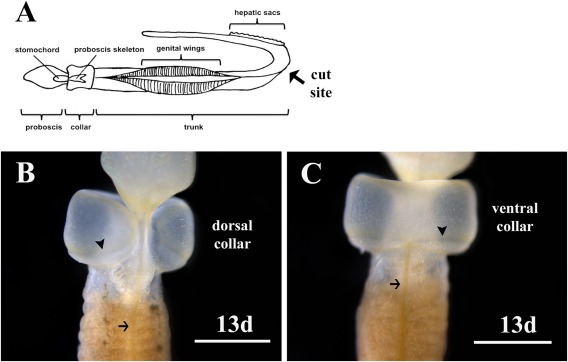
Head or anterior body part regeneration is commonly associated with protostome, but not deuterostome invertebrates. However, it has been shown that the solitary hemichordate Ptychodera flava possesses the remarkable capacity to regenerate their entire nervous system, including their dorsal neural tube and their anterior head-like structure, or proboscis. Hemichordates, also known as acorn worms, are marine invertebrate deuterostomes that have retained chordate traits that were likely present in the deuterostome ancestor, placing these animals in a vital position to study regeneration and chordate evolution. All acorn worms have a tripartite body plan, with an anterior proboscis, middle collar region, and a posterior trunk. The collar houses a hollow, dorsal neural tube in ptychoderid hemichordates and numerous chordate genes involved in brain and spinal cord development are expressed in a similar anterior-posterior spatial arrangement along the body axis.
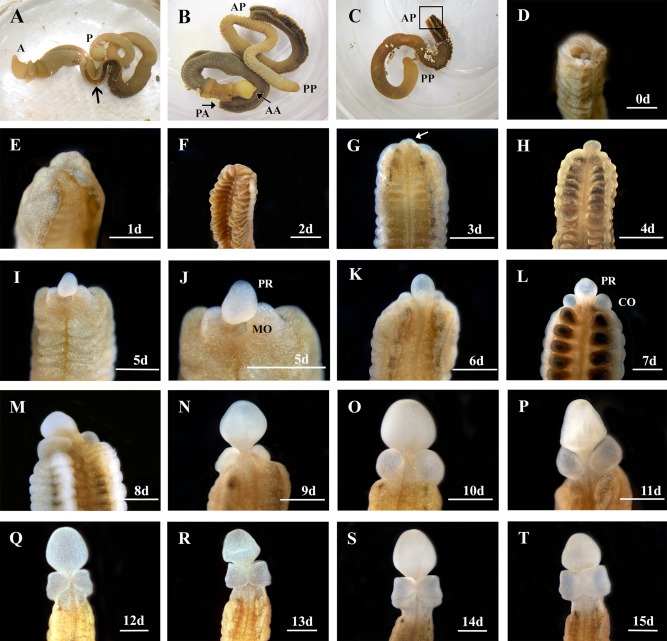
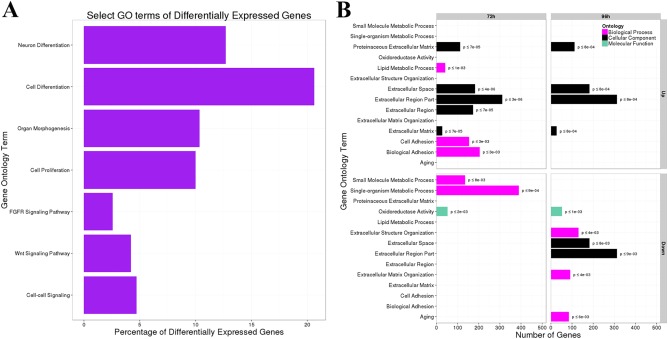
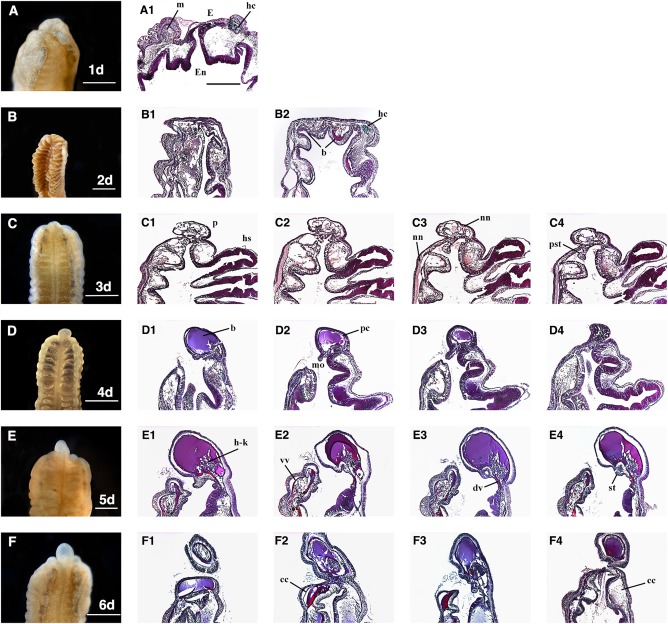
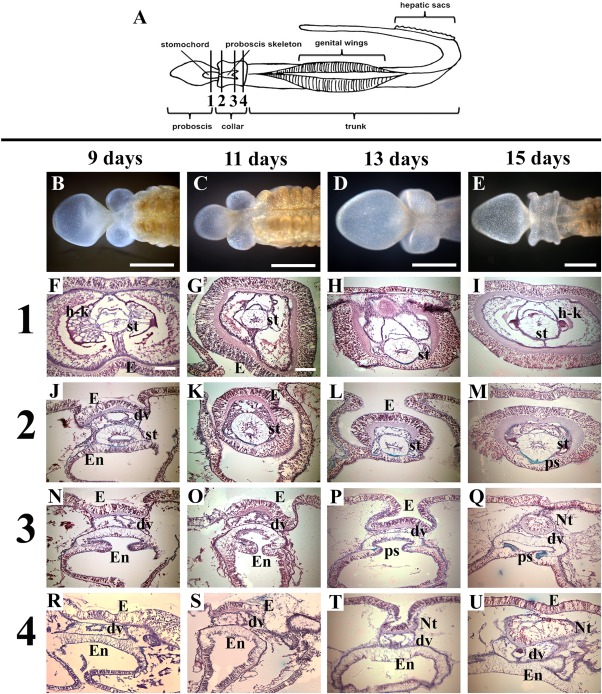
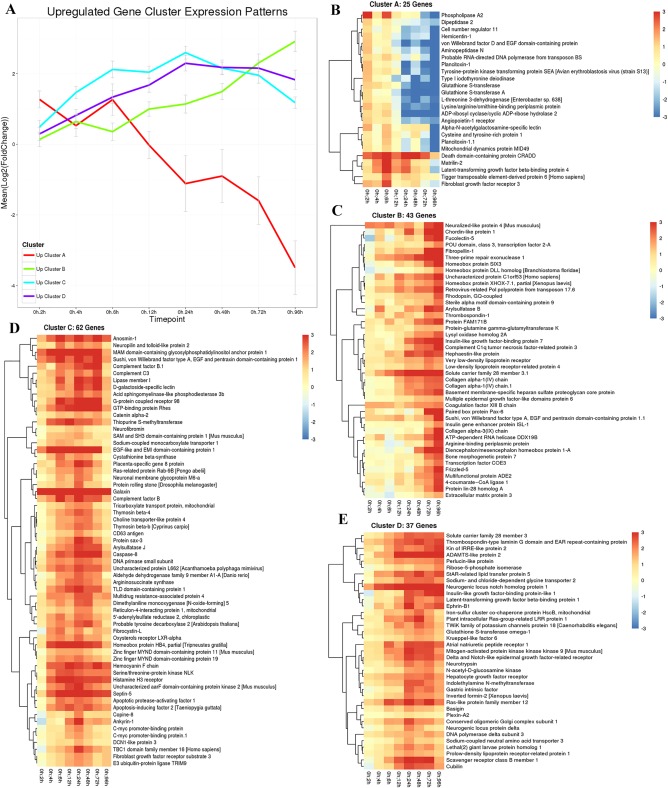
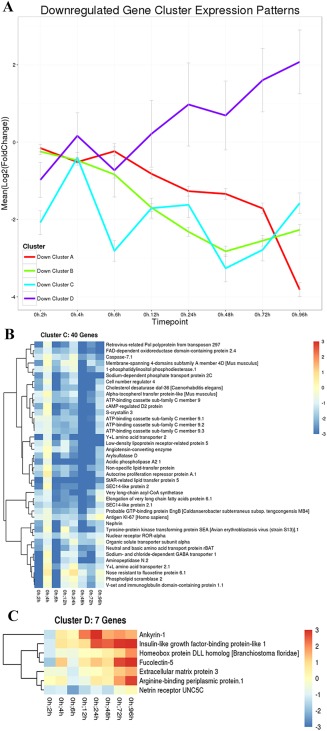
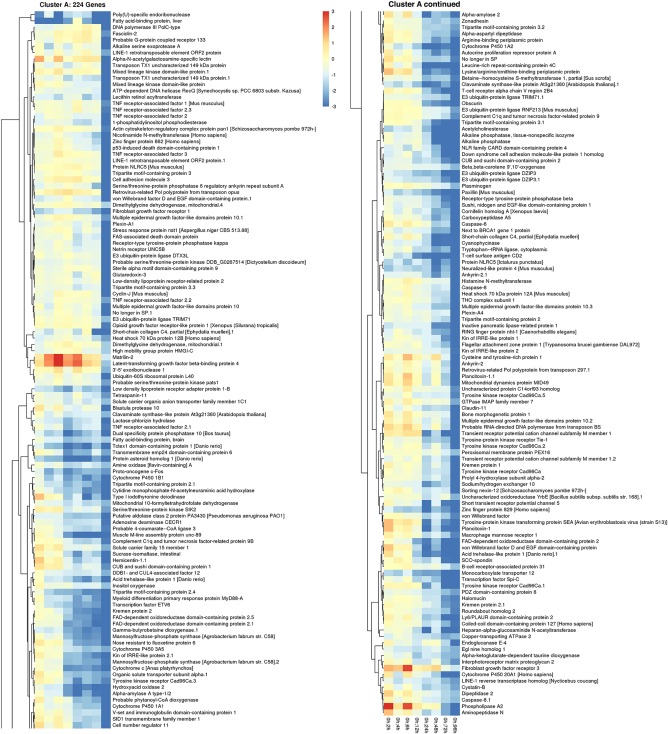
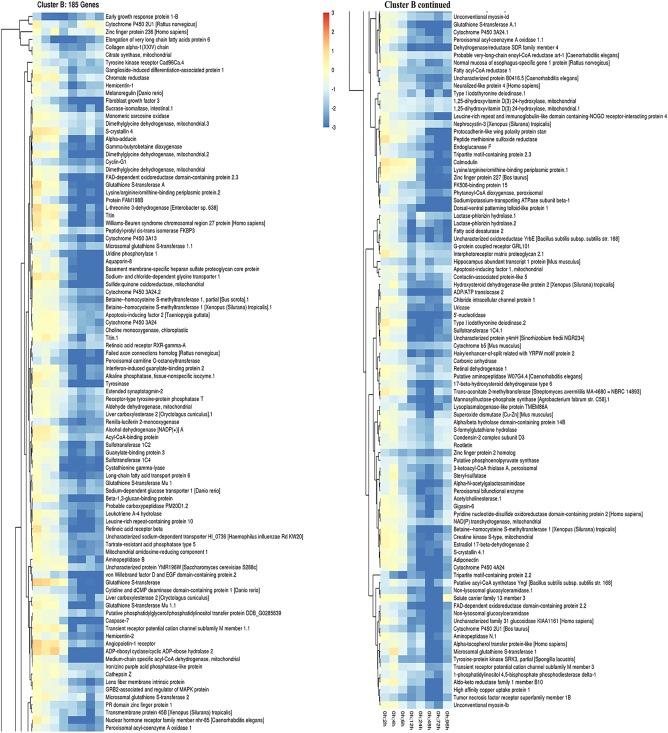
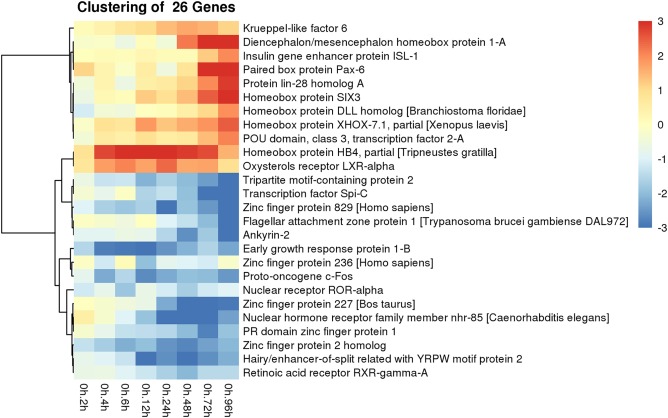
We have examined anterior regeneration in the hemichordate Ptychodera flava and report the spatial and temporal morphological changes that occur. Additionally, we have sequenced, assembled, and analyzed the transcriptome for eight stages of regenerating P. flava, revealing significant differential gene expression between regenerating and control animals.
Importantly, we have uncovered developmental steps that are regeneration-specific and do not strictly follow the embryonic program. Developmental Dynamics 245:1159-1175, 2016. © 2016 The Authors. Developmental Dynamics published by Wiley Periodicals, Inc. on behalf of American Association of Anatomists.
头部或身体前部再生通常与原口动物有关,而非后口动物无脊椎动物。然而,研究表明,独居的半索动物黄殖翼柱头虫具有非凡的能力,能够再生其整个神经系统,包括背神经管和类似头部的前部结构或吻部。半索动物,也被称为橡实虫,是海洋无脊椎动物后口动物,保留了可能存在于后口动物祖先中的脊索动物特征,使这些动物在研究再生和脊索动物进化方面处于至关重要的地位。所有橡实虫都具有三分体的身体结构,包括前部吻部、中部领区和后部躯干。在帚虫科半索动物中,领区有一个中空的背神经管,许多参与脑和脊髓发育的脊索动物基因沿身体轴以相似的前后空间排列方式表达。
我们研究了半索动物黄殖翼柱头虫的前部再生,并报告了所发生的时空形态变化。此外,我们对黄殖翼柱头虫再生的八个阶段进行了测序、组装和转录组分析,揭示了再生动物与对照动物之间显著的差异基因表达。
重要的是,我们发现了特定于再生的发育步骤,这些步骤并不严格遵循胚胎发育程序。《发育动力学》2016年第245卷:1159 - 1175页。© 2016作者。《发育动力学》由威利期刊公司代表美国解剖学家协会出版。