Department of Chemistry, Massachusetts Institute of Technology , Cambridge, Massachusetts 02139, United States.
Acc Chem Res. 2016 Oct 18;49(10):2146-2157. doi: 10.1021/acs.accounts.6b00247. Epub 2016 Sep 22.
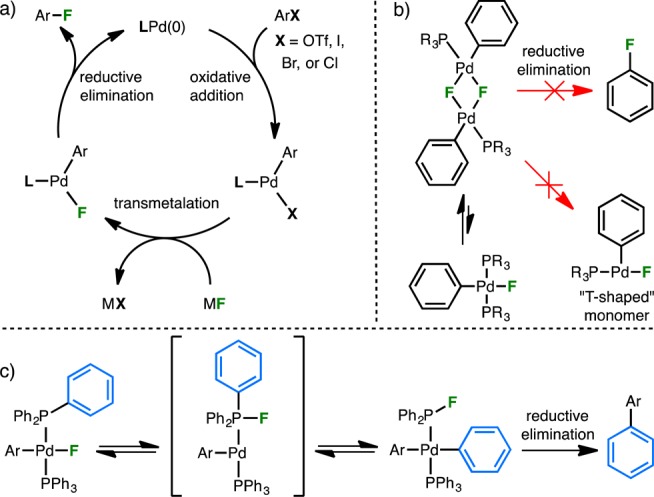
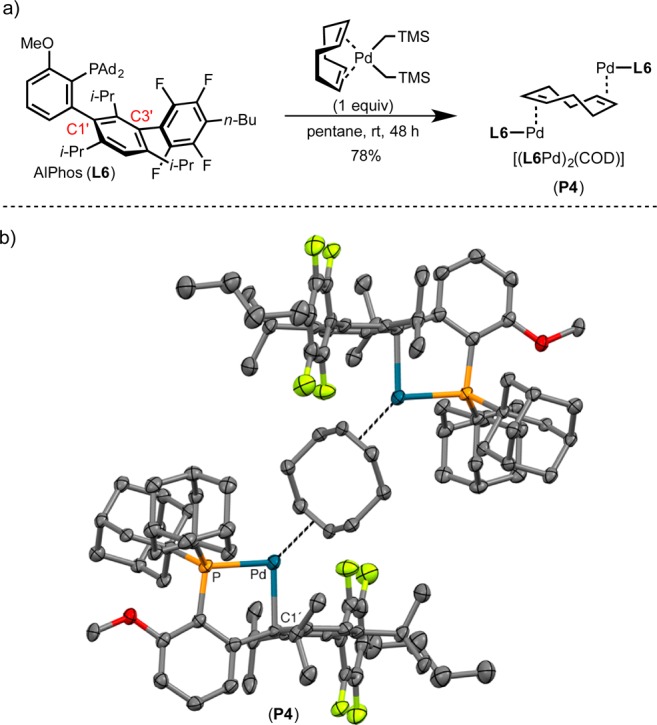
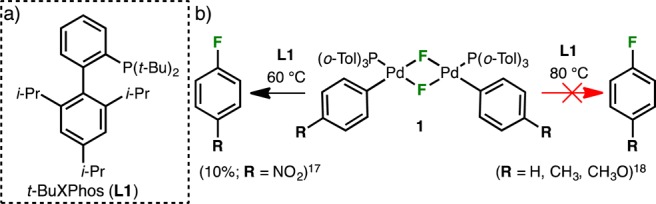
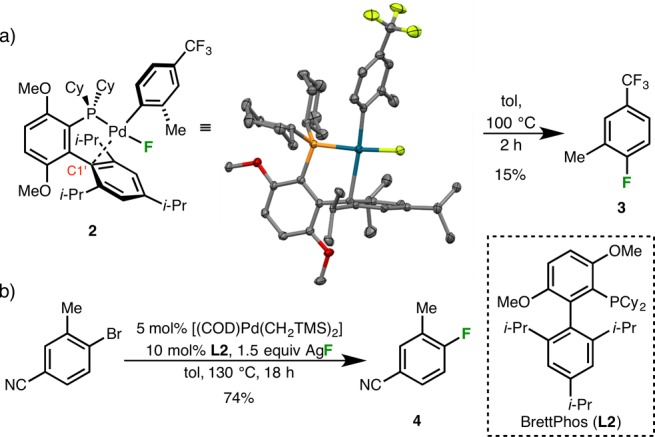
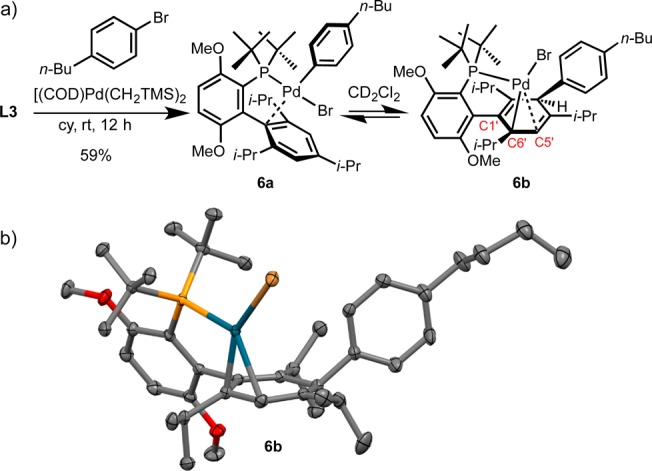
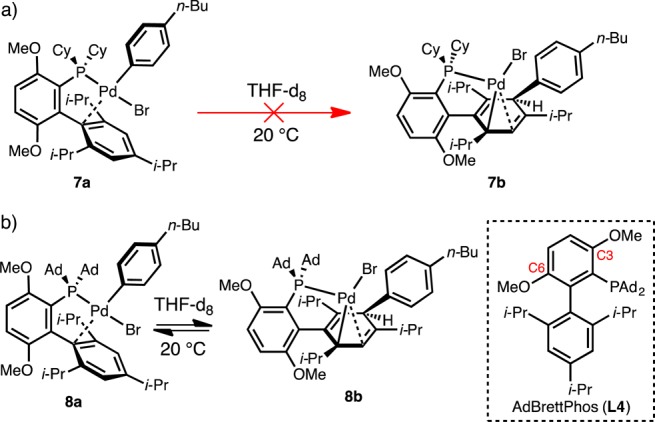
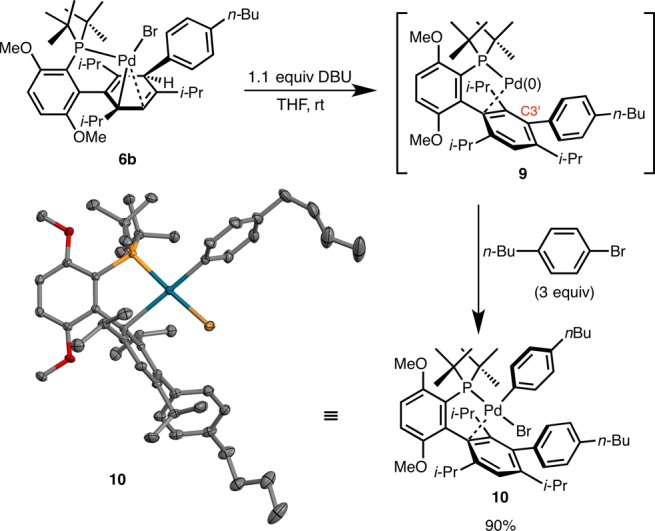
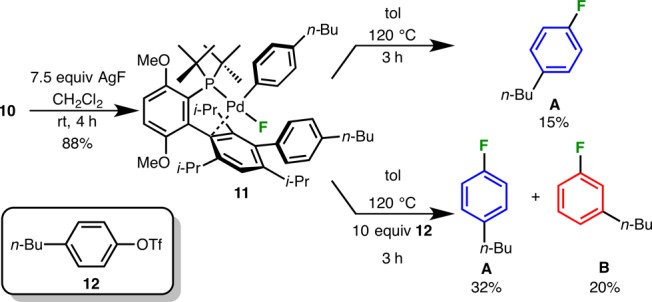
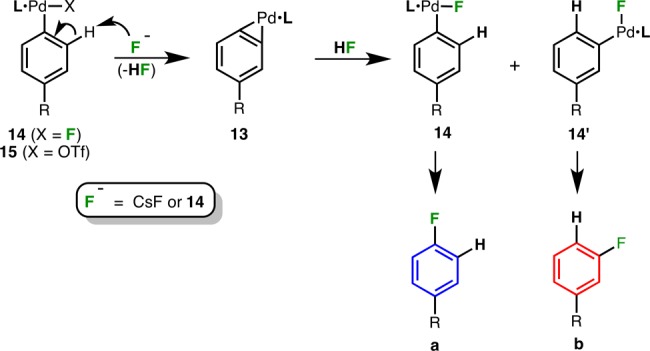
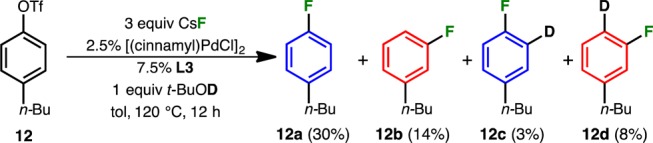
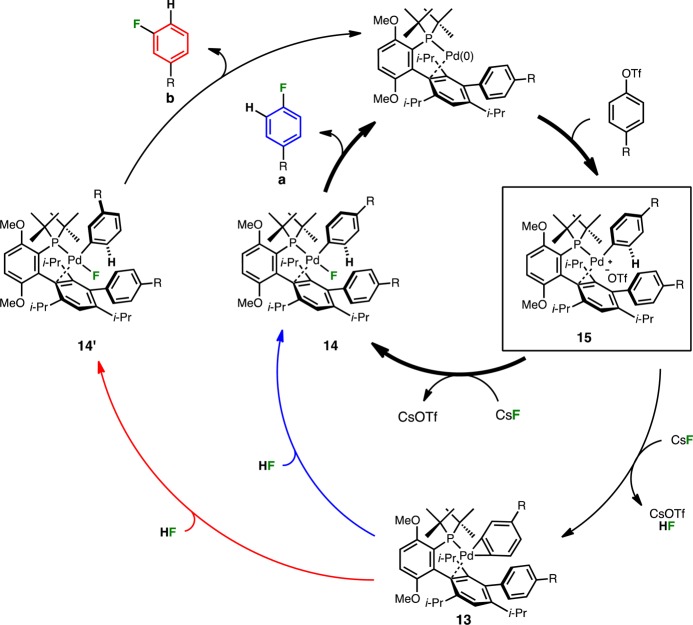
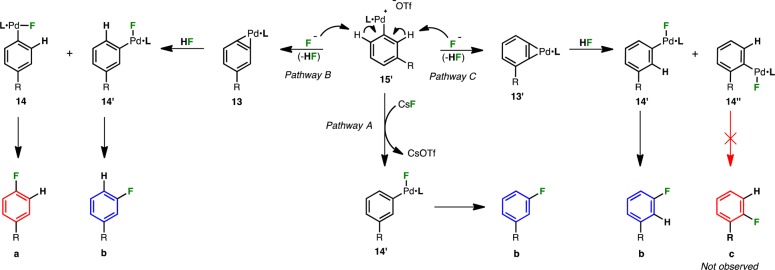
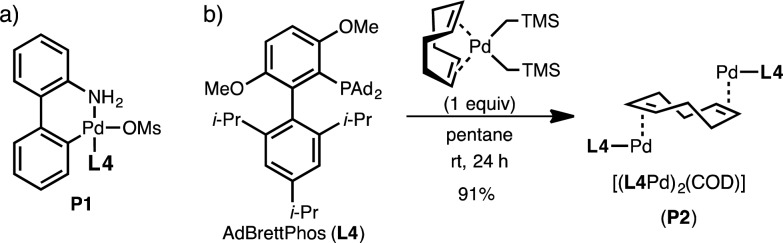
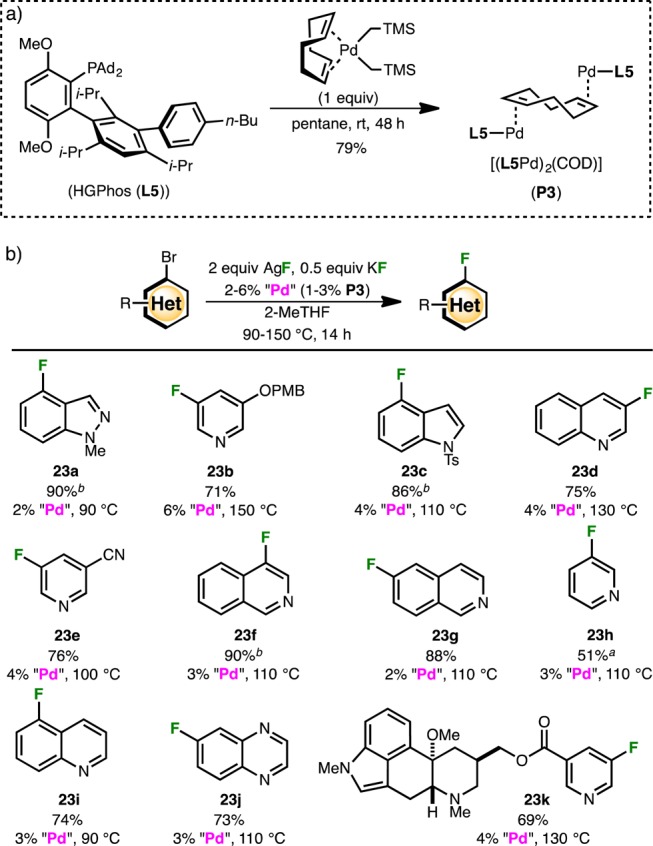
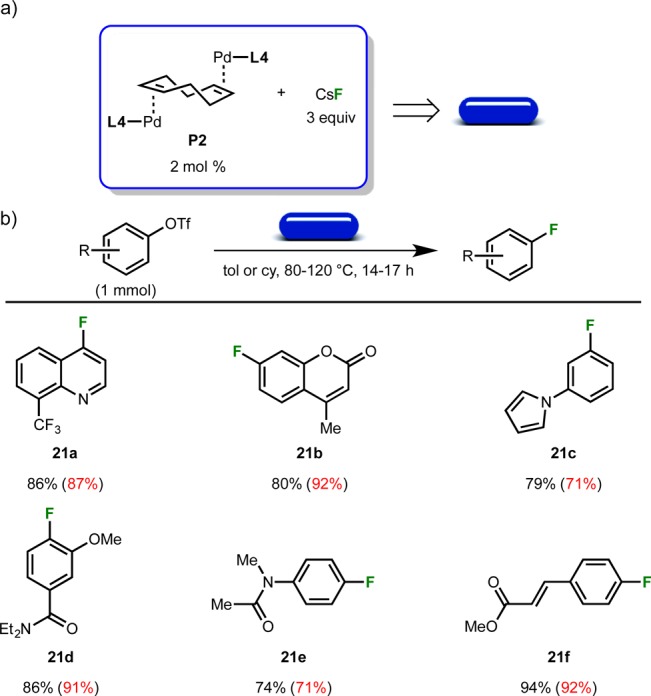
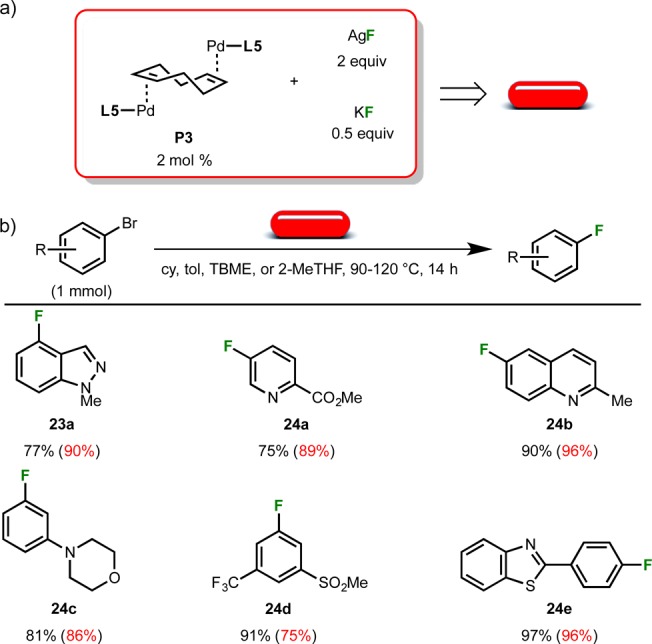
Aromatic fluorides are prevalent in both agrochemical and pharmaceutical agents. However, methods for their rapid and general preparation from widely available starting materials are limited. Traditional approaches such as the Balz-Schiemann and Halex reactions require harsh conditions that limit functional group tolerance and substrate scope. The use of transition metals to affect C-F bond formation has provided some useful alternatives, but a broadly applicable method remains elusive. In contrast to the widespread use of Pd/Pd catalysis for aryl-Z bond formation (Z = C, N, O), the analogous C-F cross-coupling process was unknown until fairly recently. In large part, this is due to the challenging Ar-F reductive elimination from Pd(II) intermediates. We have discovered that certain biaryl monophosphine ligands are uniquely capable of promoting this transformation. In this Account, we describe the discovery and development of a Pd-catalyzed C-F cross-coupling process and the systematic developments that made this once hypothetical reaction possible. Key to these developments was the discovery of an unusual in situ ligand modification process in which a molecule of substrate is incorporated into the ligand scaffold and the identity of the modifying group is crucial to the outcome of the reaction. This prompted the synthesis of a variety of "premodified" ligands and the identification of one that led to an expanded substrate scope, including (hetero)aryl triflates and bromides. Contemporaneously, a new Pd(0) precatalyst was also discovered that avoids the need to reduce Pd(II) in situ, a process that was often inefficient and led to the formation of byproducts. The use of inexpensive but hygroscopic sources of fluoride necessitates a reaction setup inside of a N-filled glovebox, limiting the practicality of the method. Thus, a preformed wax capsule was designed to isolate the catalyst and reagents from the atmosphere and permit benchtop storage and setup. This new technology thus removes the requirement to employ a glovebox for the aromatic fluorination process and other air-sensitive protocols. In every catalyst system that we have studied to date, we observed the formation of regioisomeric fluoride side products. Through deuterium labeling studies it was found that they likely arise from a deprotonation event resulting in the formation of HF and a Pd-benzyne intermediate. Through an investigation of the mechanism of this undesired pathway, a new ligand was designed that substantially reduces the formation of the aryl fluoride regioisomer and even allows room-temperature Ar-F reductive elimination from a Pd(II) intermediate.
芳香族氟化物在农药和药物制剂中普遍存在。然而,从广泛可用的起始材料快速和普遍地制备它们的方法是有限的。传统方法,如 Balz-Schiemann 和 Halex 反应,需要苛刻的条件,限制了官能团的耐受性和底物范围。使用过渡金属来影响 C-F 键的形成提供了一些有用的替代方法,但广泛适用的方法仍然难以捉摸。与 Pd/Pd 催化用于芳基-Z 键形成(Z = C、N、O)的广泛应用形成对比,类似的 C-F 交叉偶联过程直到最近才被发现。在很大程度上,这是由于从 Pd(II)中间体中还原消除 Ar-F 具有挑战性。我们已经发现某些联芳基单膦配体具有独特的促进这种转化的能力。在本说明中,我们描述了 Pd 催化的 C-F 交叉偶联过程的发现和发展,以及使这一曾经假设的反应成为可能的系统发展。这些发展的关键是发现了一种不寻常的原位配体修饰过程,其中底物的一个分子被掺入配体支架中,修饰基团的身份对反应的结果至关重要。这促使合成了各种“预修饰”配体,并确定了一种能够扩大底物范围的配体,包括(杂)芳基三氟甲磺酸酯和溴化物。同时,还发现了一种新的 Pd(0)前催化剂,它避免了原位还原 Pd(II)的需要,该过程通常效率低下,并导致副产物的形成。使用廉价但吸湿的氟化物源需要在充满氮气的手套箱内进行反应设置,限制了该方法的实用性。因此,设计了一个预成型的蜡胶囊,将催化剂和试剂与大气隔离,并允许在台式机上进行存储和设置。这项新技术因此消除了对芳香族氟化过程和其他对空气敏感的方案使用手套箱的要求。在我们迄今为止研究的每个催化剂体系中,我们都观察到区域异构体氟化物副产物的形成。通过氘标记研究发现,它们可能是由于脱质子事件导致 HF 和 Pd-苯炔中间体的形成而产生的。通过对该不期望途径的机制的研究,设计了一种新的配体,它大大减少了芳基氟化物区域异构体的形成,甚至允许室温下从 Pd(II)中间体中还原消除 Ar-F。