Woo Hyung-Sik, Na Chan Woong, Lee Jong-Heun
Department of Materials Science and Engineering, Korea University, Seoul 02841, Korea.
Sensors (Basel). 2016 Sep 20;16(9):1531. doi: 10.3390/s16091531.
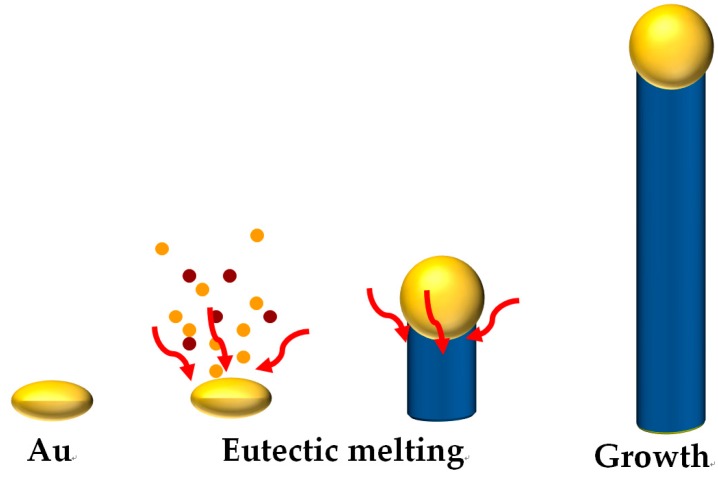
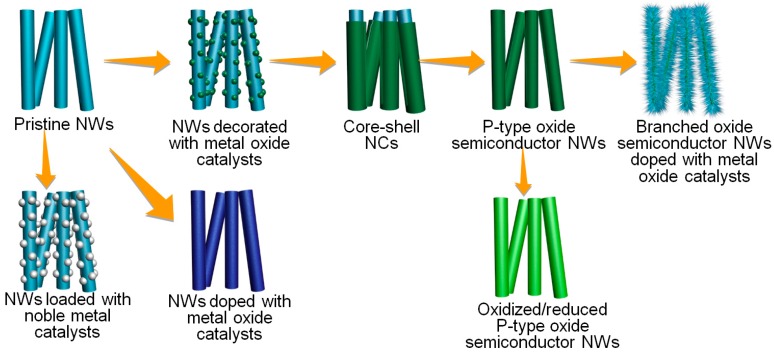
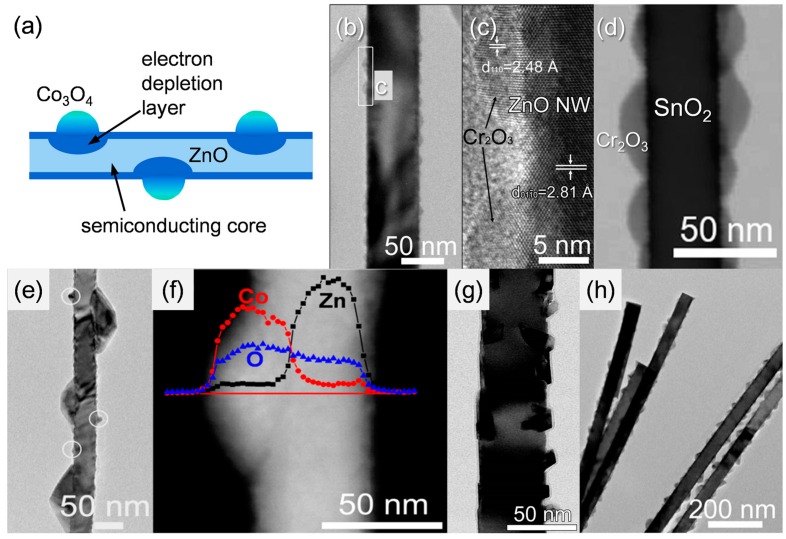
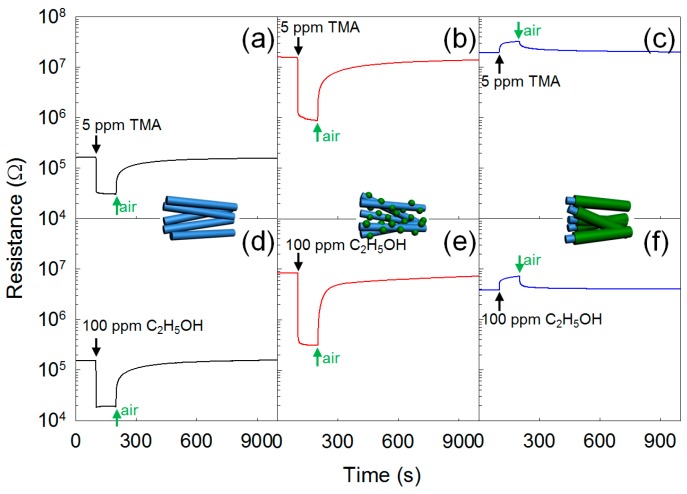
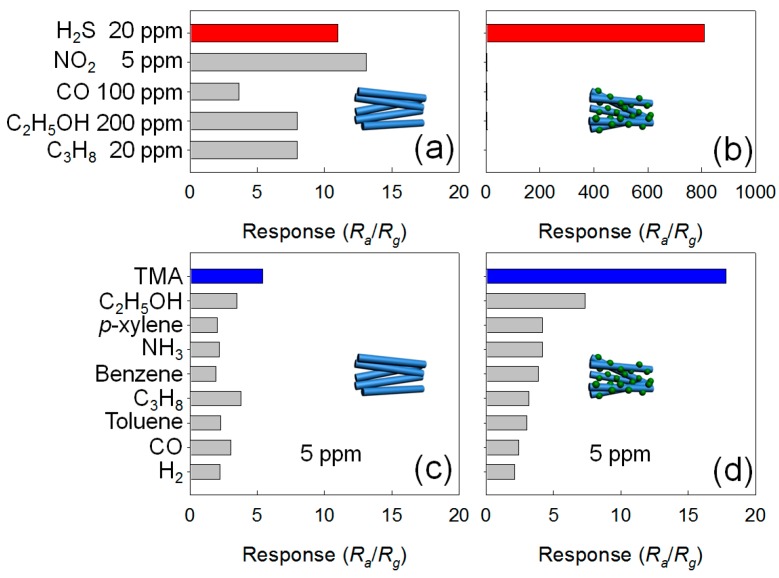
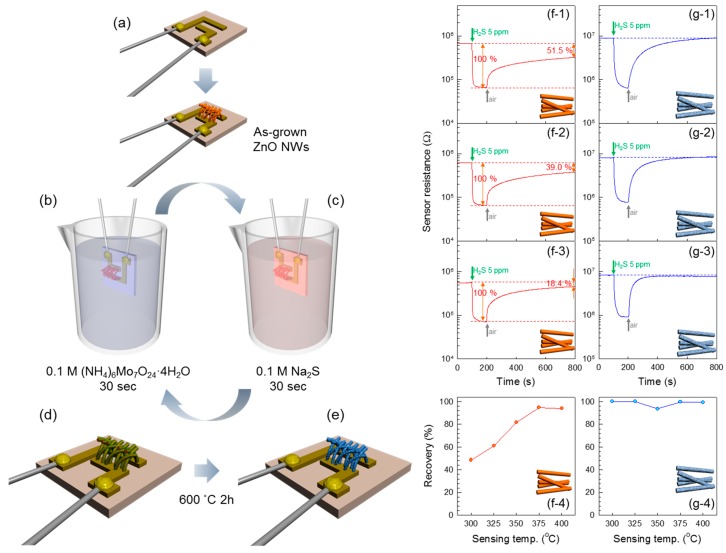
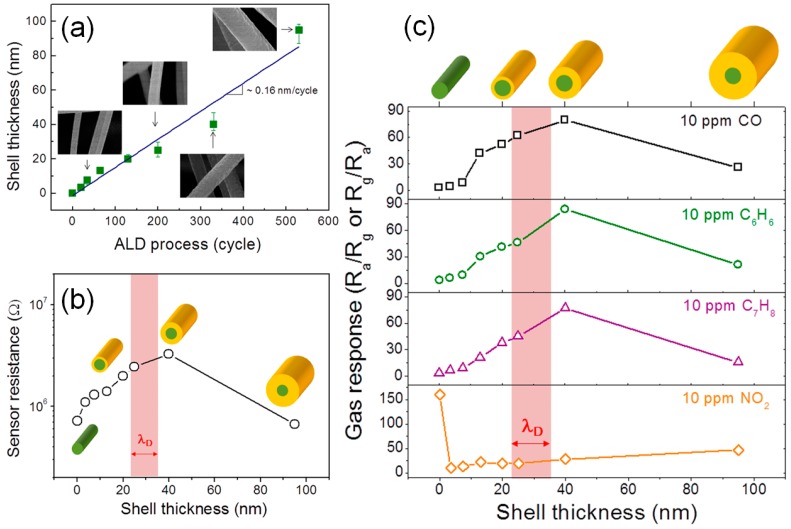
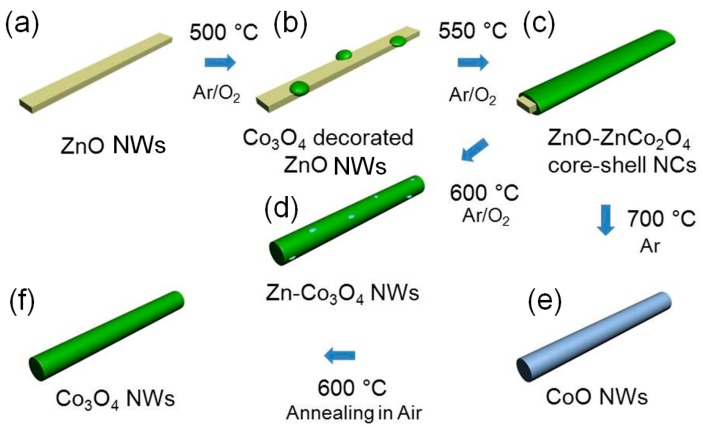
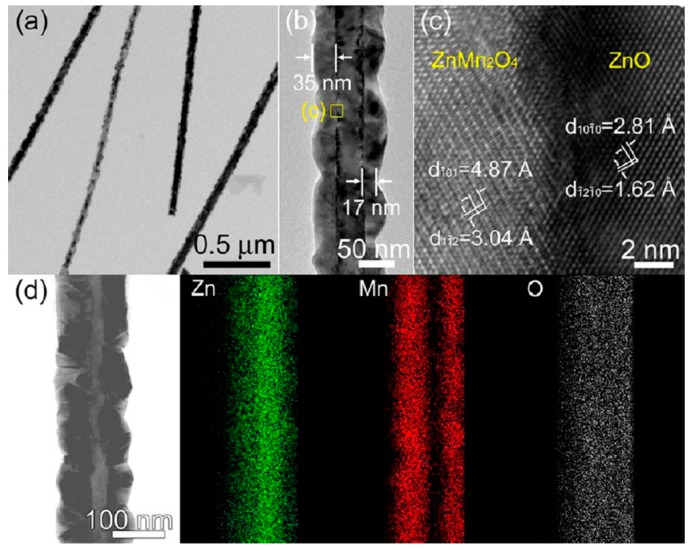
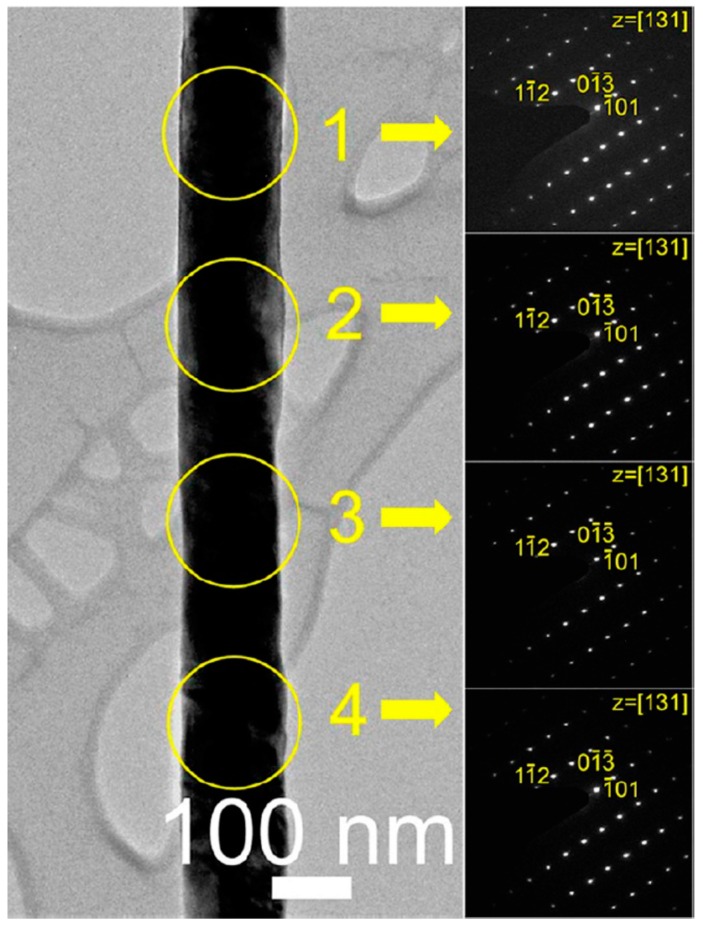
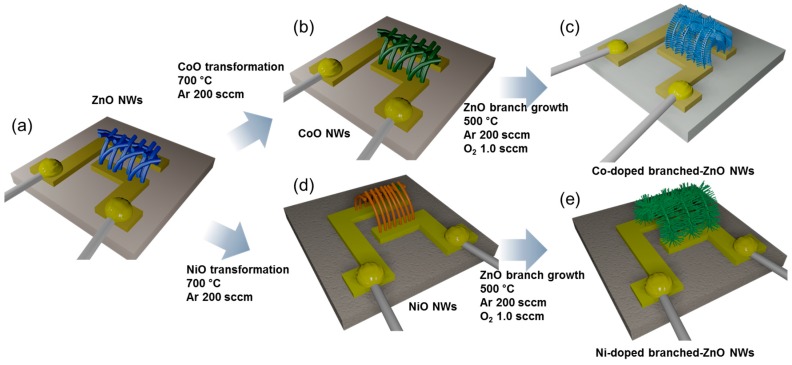
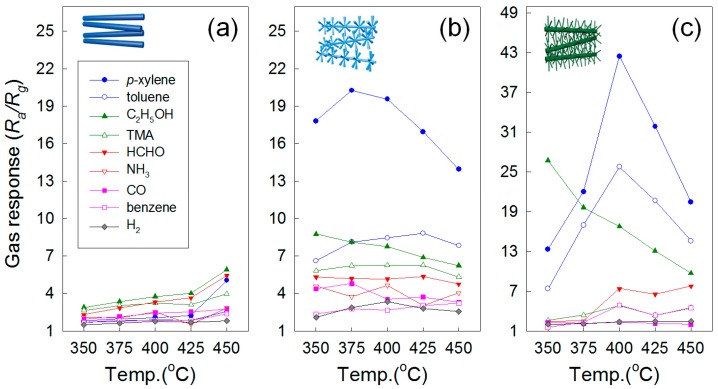
Strategies for the enhancement of gas sensing properties, and specifically the improvement of gas selectivity of metal oxide semiconductor nanowire (NW) networks grown by chemical vapor deposition and thermal evaporation, are reviewed. Highly crystalline NWs grown by vapor-phase routes have various advantages, and thus have been applied in the field of gas sensors over the years. In particular, -type NWs such as SnO₂, ZnO, and In₂O₃ are widely studied because of their simple synthetic preparation and high gas response. However, due to their usually high responses to C₂H₅OH and NO₂, the selective detection of other harmful and toxic gases using oxide NWs remains a challenging issue. Various strategies-such as doping/loading of noble metals, decorating/doping of catalytic metal oxides, and the formation of core-shell structures-have been explored to enhance gas selectivity and sensitivity, and are discussed herein. Additional methods such as the transformation of -type into -type NWs and the formation of catalyst-doped hierarchical structures by branch growth have also proven to be promising for the enhancement of gas selectivity. Accordingly, the physicochemical modification of oxide NWs via various methods provides new strategies to achieve the selective detection of a specific gas, and after further investigations, this approach could pave a new way in the field of NW-based semiconductor-type gas sensors.
本文综述了增强气敏性能的策略,特别是提高通过化学气相沉积和热蒸发生长的金属氧化物半导体纳米线(NW)网络的气体选择性的策略。通过气相法生长的高度结晶的NW具有多种优势,因此多年来已应用于气体传感器领域。特别是,诸如SnO₂、ZnO和In₂O₃等n型NW因其合成制备简单且气敏响应高而受到广泛研究。然而,由于它们通常对C₂H₅OH和NO₂有较高的响应,使用氧化物NW选择性检测其他有害和有毒气体仍然是一个具有挑战性的问题。人们已经探索了各种策略,如贵金属的掺杂/负载、催化金属氧化物的修饰/掺杂以及核壳结构的形成,以提高气体选择性和灵敏度,并在本文中进行了讨论。其他方法,如将n型NW转变为p型NW以及通过分支生长形成催化剂掺杂的分级结构,也已被证明对提高气体选择性很有前景。因此,通过各种方法对氧化物NW进行物理化学修饰为实现特定气体的选择性检测提供了新策略,经过进一步研究,这种方法可能会为基于NW的半导体型气体传感器领域开辟一条新道路。