Hodolic Marina, Topakian Raffi, Pichler Robert
Nuclear Medicine Research Department, Iason, Graz, Austria; Department of Nuclear Medicine, Palacký University Olomouc, Czech Republic.
Department of Neurology, Klinikum Wels-Grieskirchen, Wels, Austria.
Radiol Oncol. 2016 Jul 19;50(3):247-53. doi: 10.1515/raon-2016-0032. eCollection 2016 Sep 1.
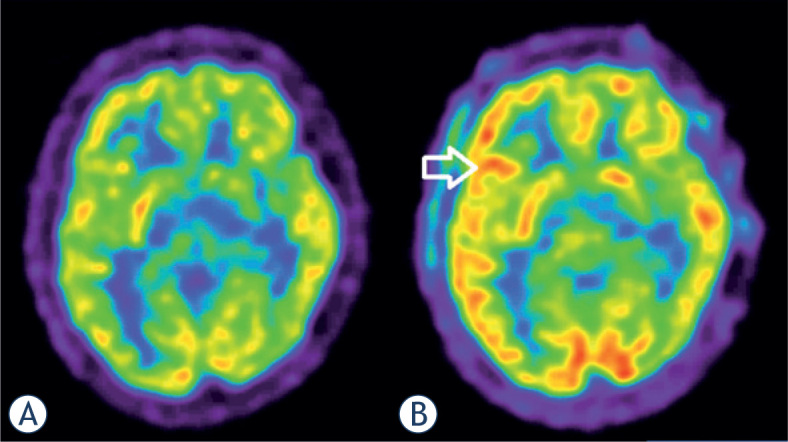
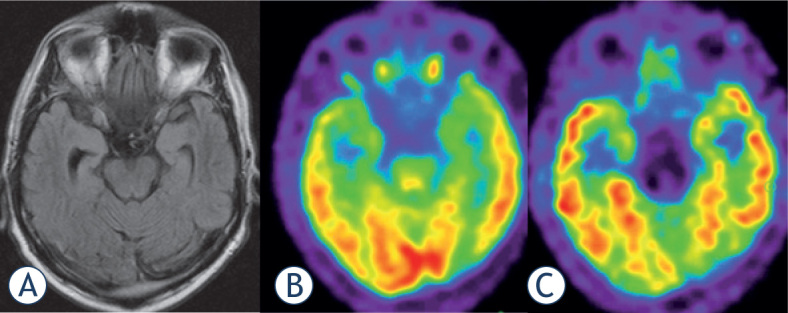
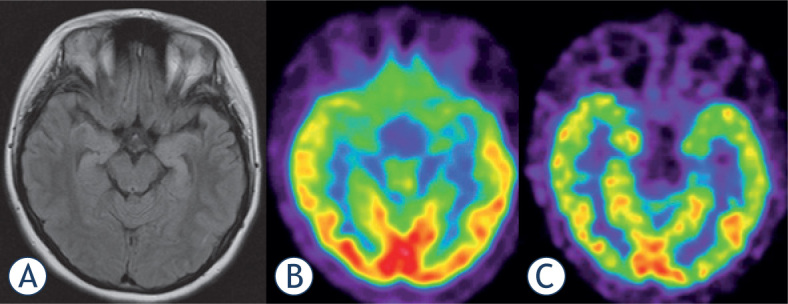
Epilepsy is a neurological disorder characterized by epileptic seizures as a result of excessive neuronal activity in the brain. Approximately 65 million people worldwide suffer from epilepsy; 20-40% of them are refractory to medication therapy. Early detection of disease is crucial in the management of patients with epilepsy. Correct localization of the ictal onset zone is associated with a better surgical outcome. The modern non-invasive techniques used for structural-functional localization of the seizure focus includes electroencephalography (EEG) monitoring, magnetic resonance imaging (MRI), single photon emission tomography/computed tomography (SPECT/CT) and positron emission tomography/computed tomography (PET/CT). PET/CT can predict surgical outcome in patients with refractory epilepsy. The aim of the article is to review the current role of routinely used tracer 2-deoxy-2-[(18)F]fluoro-D-glucose ((18)F-FDG) as well as non routinely used (18)F-Flumazenil ((18)F-FMZ) tracers PET/CT in patients with refractory epilepsy.
Functional information delivered by PET and the morphologic information delivered by CT or MRI are essential in presurgical evaluation of epilepsy. Nowadays (18)F-FDG PET/CT is a routinely performed imaging modality in localization of the ictal onset zone in patients with refractory epilepsy who are unresponsive to medication therapy. Unfortunately, (18)F-FDG is not an ideal PET tracer regarding the management of patients with epilepsy: areas of glucose hypometabolism do not correlate precisely with the proven degree of change within hippocampal sclerosis, as observed by histopathology or MRI. Benzodiazepine-receptor imaging is a promising alternative in nuclear medicine imaging of epileptogenic focus. The use of (11)C-FMZ in clinical practice has been limited by its short half-life and necessitating an on-site cyclotron for production. Therefore, (18)F-FMZ might be established as one of the tracers of choice for patients with refractory epilepsy because of better sensitivity and anatomical resolution.
癫痫是一种神经系统疾病,其特征是由于大脑中神经元活动过度而导致癫痫发作。全球约有6500万人患有癫痫;其中20%-40%的患者对药物治疗无效。疾病的早期检测对癫痫患者的管理至关重要。发作起始区的正确定位与更好的手术结果相关。用于癫痫灶结构-功能定位的现代非侵入性技术包括脑电图(EEG)监测、磁共振成像(MRI)、单光子发射断层扫描/计算机断层扫描(SPECT/CT)和正电子发射断层扫描/计算机断层扫描(PET/CT)。PET/CT可以预测难治性癫痫患者的手术结果。本文的目的是综述常规使用的示踪剂2-脱氧-2-[(18)F]氟-D-葡萄糖((18)F-FDG)以及非常规使用的(18)F-氟马西尼((18)F-FMZ)示踪剂PET/CT在难治性癫痫患者中的当前作用。
PET提供的功能信息和CT或MRI提供的形态学信息在癫痫术前评估中至关重要。如今,(18)F-FDG PET/CT是对药物治疗无反应的难治性癫痫患者发作起始区定位的常规成像方式。不幸的是,就癫痫患者的管理而言,(18)F-FDG并非理想的PET示踪剂:葡萄糖代谢减低区域与组织病理学或MRI观察到的海马硬化中已证实的变化程度并不精确相关。苯二氮䓬受体成像在癫痫灶的核医学成像中是一种有前景的替代方法。(11)C-FMZ在临床实践中的使用受到其半衰期短以及需要现场回旋加速器生产的限制。因此,由于具有更好的敏感性和解剖分辨率,(18)F-FMZ可能会成为难治性癫痫患者的首选示踪剂之一。