Waterman Brian, Owens Brett D, Tokish John M
Department of Orthopaedic Surgery and Rehabilitation, William Beaumont Army Medical Center, El Paso, Texas.
Brown University Alpert Medical School, Providence, Rhode Island.
Sports Health. 2016 Nov/Dec;8(6):514-519. doi: 10.1177/1941738116672161. Epub 2016 Oct 1.
Given its young, predominately male demographics and intense physical demands, the US military remains an ideal cohort for the study of anterior shoulder instability.
A literature search of PubMed, MEDLINE, and the Cochrane Database was performed to identify all peer-reviewed publications from 1950 to 2016 from US military orthopaedic surgeons focusing on the management of anterior shoulder instability.
Clinical review.
Level 4.
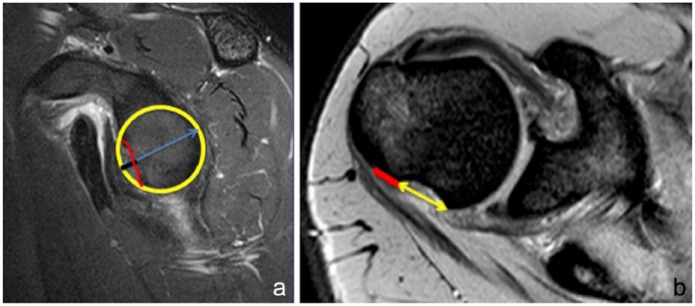
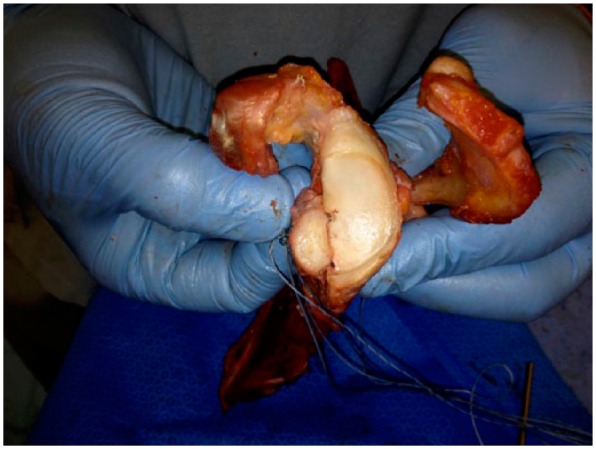
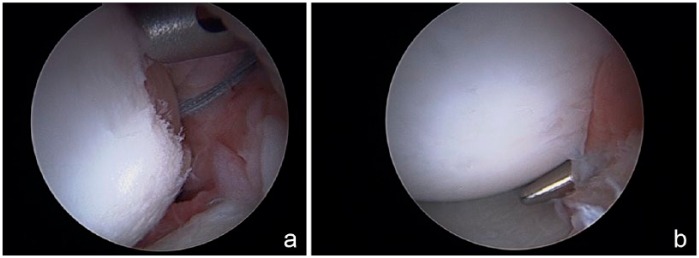
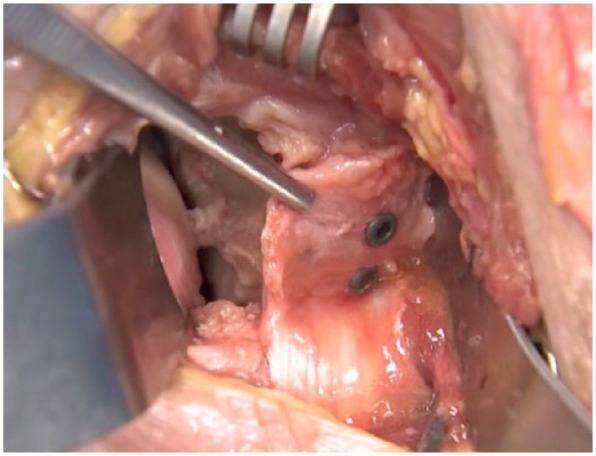
The incidence of anterior shoulder instability events in the military occurs at an order of magnitude greater than in civilian populations, with rates as high as 3% per year among high-risk groups. With more than 90% risk of a Bankart lesion and high risk for instability recurrence, the military has advocated for early intervention of first-time shoulder instability while documenting up to 76% relative risk reduction versus nonoperative treatment. Preoperative evaluation with advanced radiographic imaging should be used to evaluate for attritional bone loss or "off-track" engaging defects to guide comprehensive surgical management. With complex recurrent shoulder instability and/or cases of clinically significant osseous lesions, potential options such as remplissage, anterior open capsular procedures, or bone augmentation procedures may be preferentially considered.
Careful risk stratification, clinical evaluation, and selective surgical management for at-risk military patients with anterior shoulder instability can optimize the recurrence risk and functional outcome in this population.
鉴于美国军队人员年轻、男性占主导且身体活动强度大,仍是研究前肩不稳的理想群体。
对PubMed、MEDLINE和Cochrane数据库进行文献检索,以识别1950年至2016年美国军事骨科医生发表的所有关于前肩不稳治疗的同行评审出版物。
临床综述。
4级。
军队中前肩不稳事件的发生率比平民人群高出一个数量级,高危组每年发生率高达3%。由于Bankart损伤风险超过90%且不稳定复发风险高,军队主张对首次肩不稳进行早期干预,同时记录显示与非手术治疗相比相对风险降低高达76%。应使用先进的影像学检查进行术前评估,以评估骨质流失或“脱轨”嵌合缺陷,从而指导全面的手术治疗。对于复杂的复发性肩不稳和/或具有临床意义的骨病变病例,可优先考虑诸如 remplissage、前路开放关节囊手术或骨增强手术等潜在选择。
对有前肩不稳风险的军事患者进行仔细的风险分层、临床评估和选择性手术治疗,可以优化该人群的复发风险和功能结局。