Institut de Pharmacologie et de Biologie Structurale, Université de Toulouse, CNRS, UPS, Toulouse, France.
Sci Rep. 2016 Oct 3;6:34255. doi: 10.1038/srep34255.
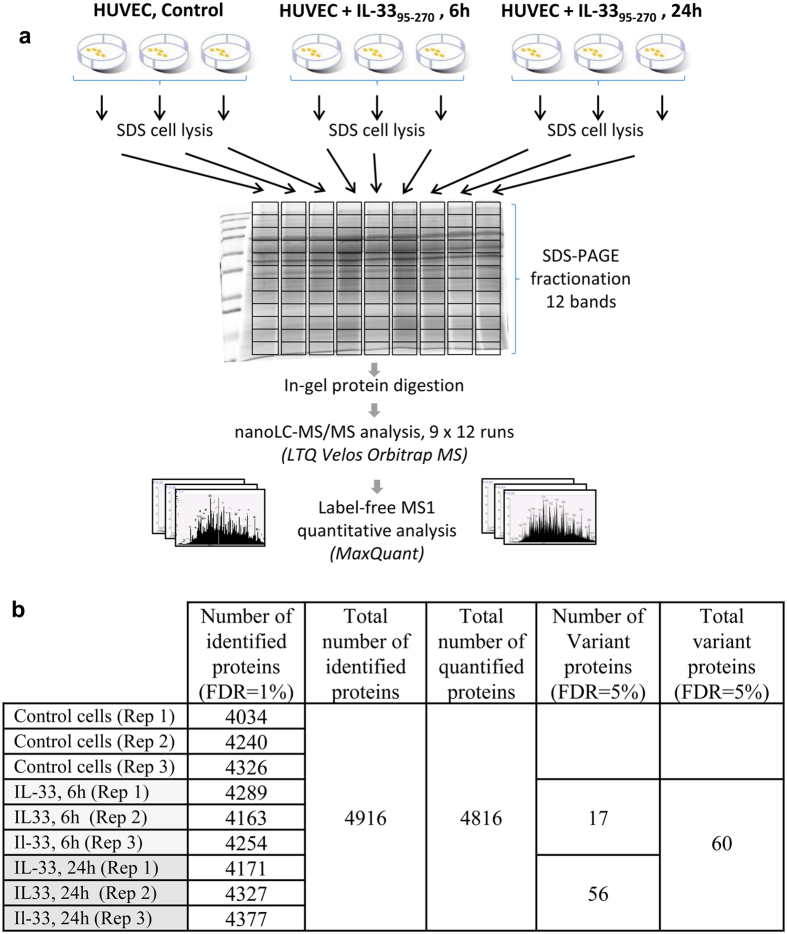
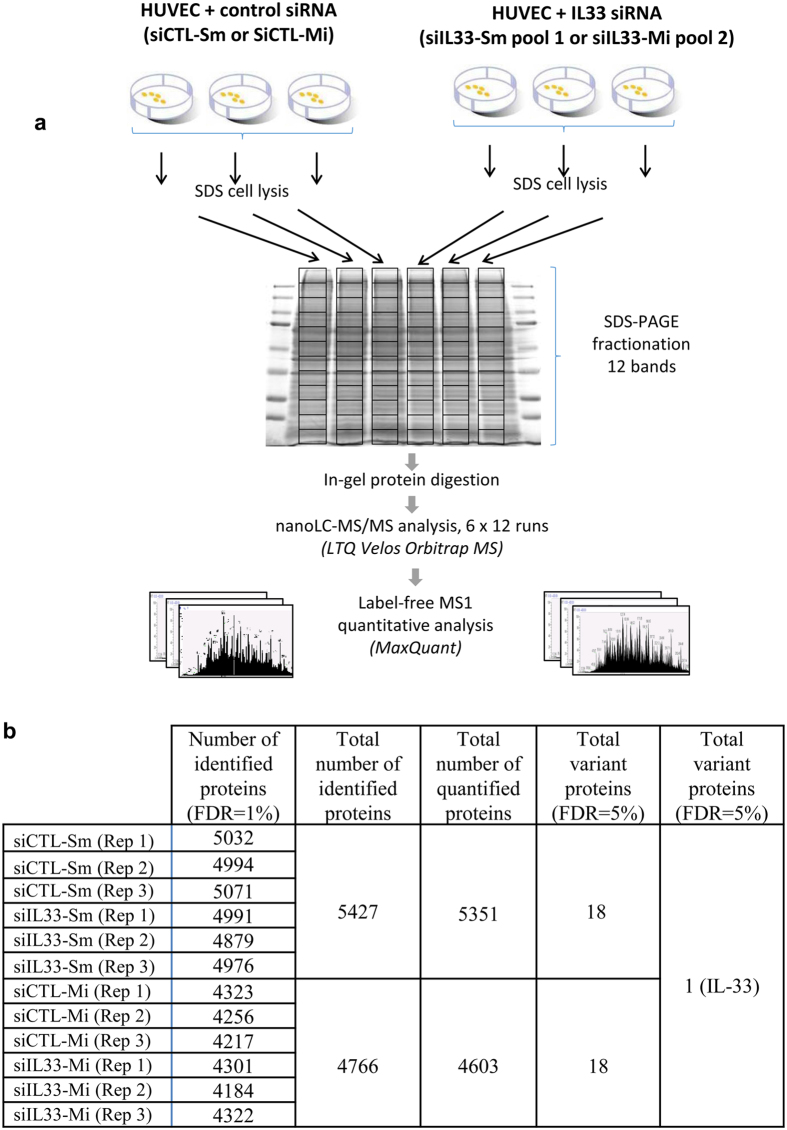
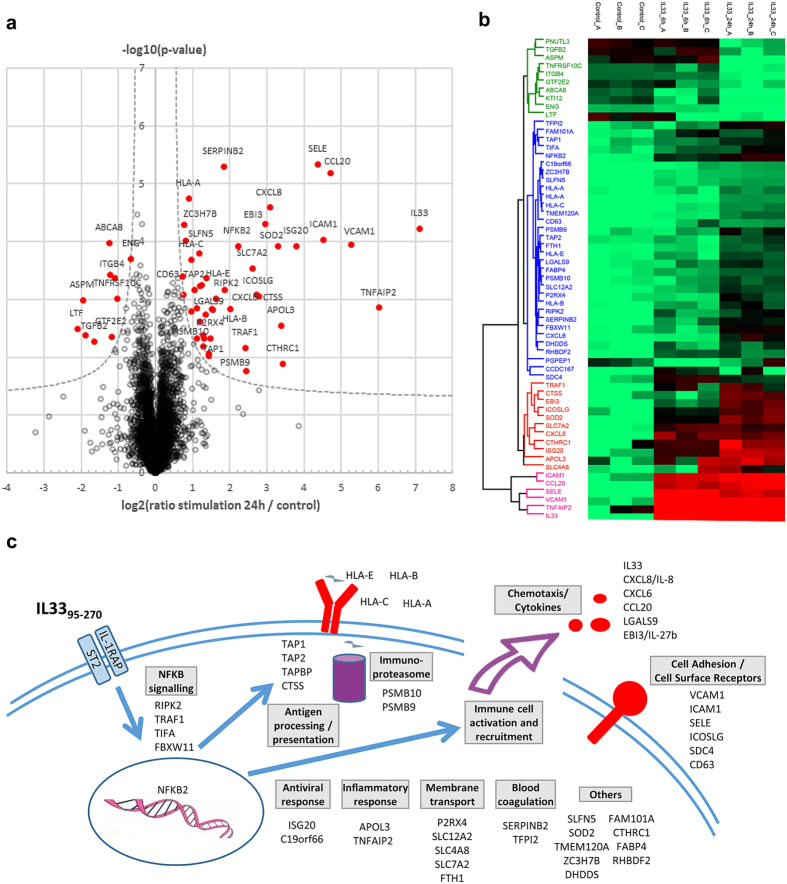
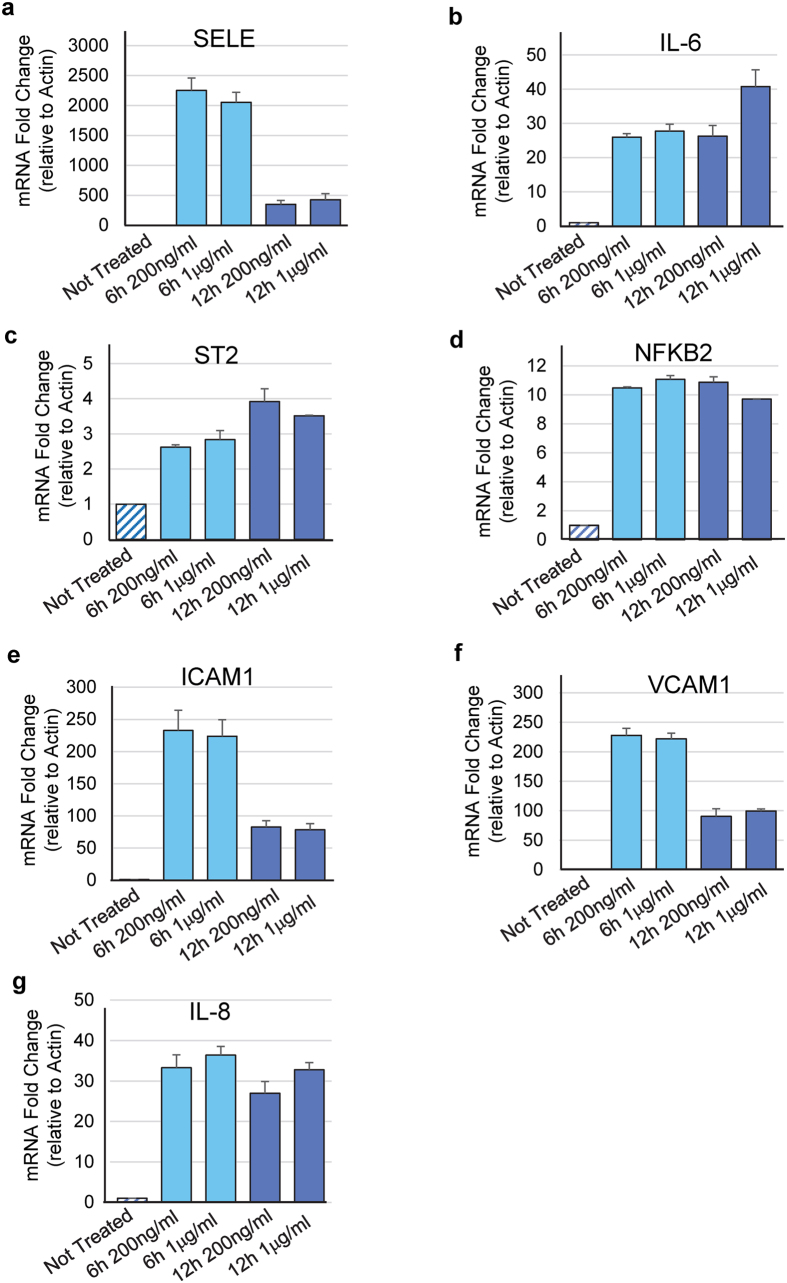
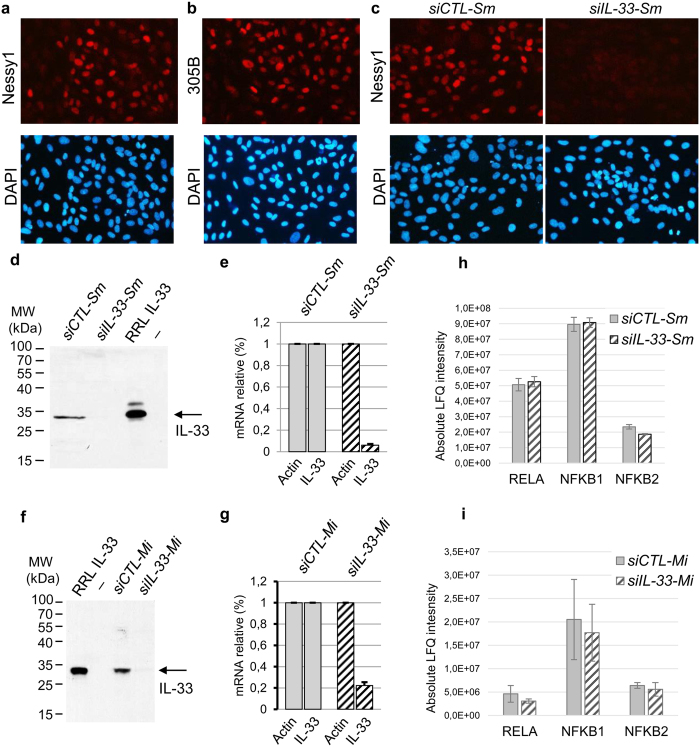
IL-33 is a nuclear cytokine from the IL-1 family that plays important roles in health and disease. Extracellular IL-33 activates a growing number of target cells, including group 2 innate lymphoid cells, mast cells and regulatory T cells, but it remains unclear whether intracellular nuclear IL-33 has additional functions in the nucleus. Here, we used a global proteomic approach based on high-resolution mass spectrometry to compare the extracellular and intracellular roles of IL-33 in primary human endothelial cells, a major source of IL-33 protein in human tissues. We found that exogenous extracellular IL-33 cytokine induced expression of a distinct set of proteins associated with inflammatory responses in endothelial cells. In contrast, knockdown of endogenous nuclear IL-33 expression using two independent RNA silencing strategies had no reproducible effect on the endothelial cell proteome. These results suggest that IL-33 acts as a cytokine but not as a nuclear factor regulating gene expression in endothelial cells.
IL-33 是一种来自 IL-1 家族的核细胞因子,在健康和疾病中发挥着重要作用。细胞外的 IL-33 可以激活越来越多的靶细胞,包括 2 型固有淋巴细胞、肥大细胞和调节性 T 细胞,但细胞内核内的 IL-33 是否在细胞核中具有额外的功能尚不清楚。在这里,我们使用了一种基于高分辨率质谱的全局蛋白质组学方法,比较了外源性细胞外和内源性细胞内 IL-33 在原代人内皮细胞中的作用,人组织中 IL-33 蛋白的主要来源。我们发现,外源性细胞外 IL-33 细胞因子诱导内皮细胞中与炎症反应相关的一组独特蛋白的表达。相比之下,使用两种独立的 RNA 沉默策略敲低内源性核内 IL-33 的表达对内皮细胞蛋白质组没有可重复的影响。这些结果表明,IL-33 作为一种细胞因子发挥作用,而不是作为调节内皮细胞基因表达的核因子。