Rodríguez-Serrano Fernando, Mut-Salud Nuria, Cruz-Bustos Teresa, Gomez-Samblas Mercedes, Carrasco Esther, Garrido Jose Manuel, López-Jaramillo F Javier, Santoyo-Gonzalez Francisco, Osuna Antonio
Institute of Biopathology and Regenerative Medicine.
Molecular Biochemistry and Parasitology Research Group, Department of Parasitology, Faculty of Sciences, Institute of Biotechnology, University of Granada.
Int J Nanomedicine. 2016 Sep 19;11:4777-4785. doi: 10.2147/IJN.S112560. eCollection 2016.
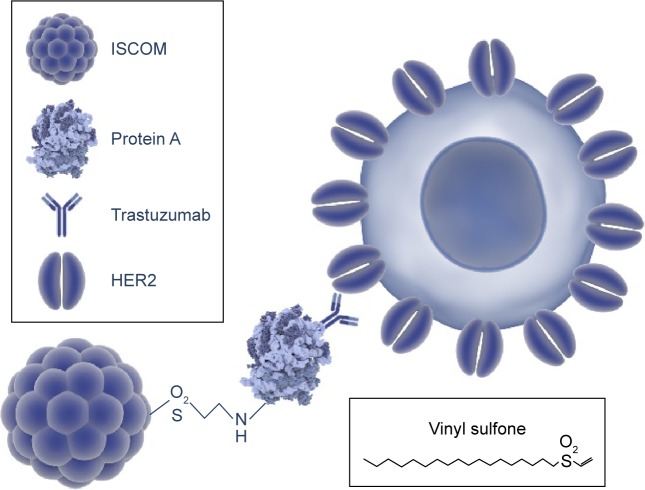
Around 20%-30% of breast cancers overexpress the proto-oncogene human epidermal growth receptor 2 (HER2), and they are characterized by being very invasive. Therefore, many current studies are focused on testing new therapies against tumors that overexpress this receptor. In particular, there exists major interest in new strategies to fight breast cancer resistant to trastuzumab (Tmab), a humanized antibody that binds specifically to HER2 interfering with its mitogenic signaling. Our team has previously developed immunostimulating complexes (ISCOMs) as nanocapsules functionalized with lipid vinyl sulfones, which can incorporate protein A and bind to G immunoglobulins that makes them very flexible nanocarriers.
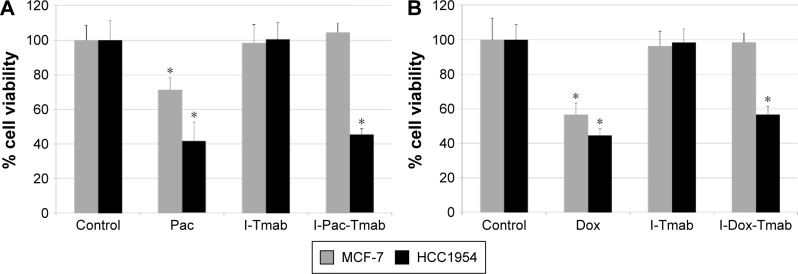
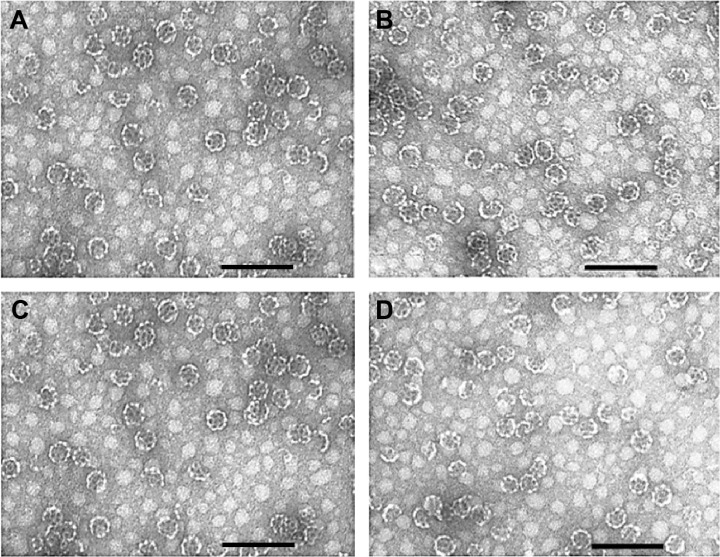
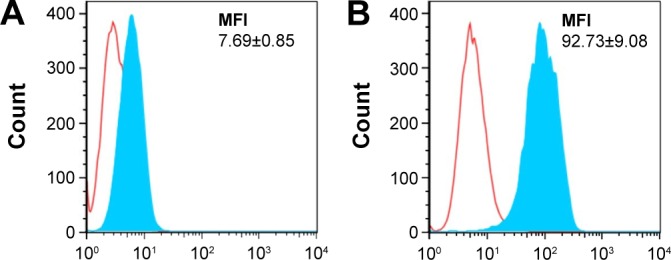
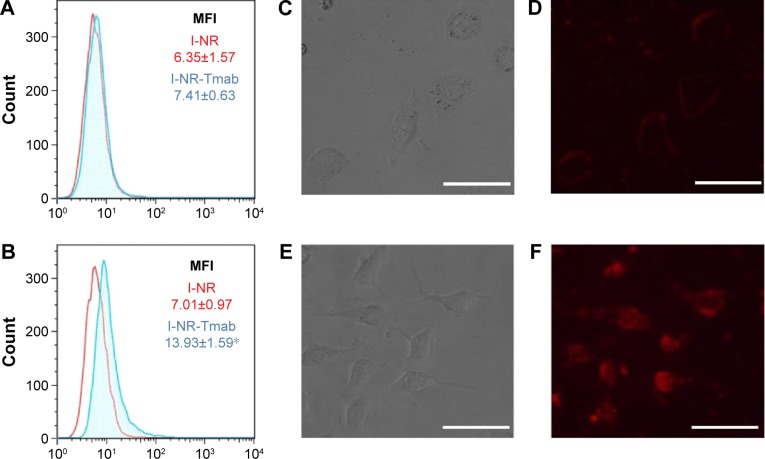
The aim of this in vitro study was to synthesize and evaluate a drug delivery system based on protein A-functionalized ISCOMs to target HER2-overexpressing cells. We describe the preparation of ISCOMs, the loading with the drugs doxorubicin and paclitaxel, the binding of ISCOMs to alkyl vinyl sulfone-protein A, the coupling of Tmab, and the evaluation in both HER2-overexpressing breast cancer cells (HCC1954) and non-overexpressing cells (MCF-7) by flow cytometry and fluorescence microscopy. Results show that the uptake is dependent on the level of overexpression of HER2, and the analysis of the cell viability reveals that targeted drugs are selective toward HCC1954, whereas MCF-7 cells remain unaffected.
Protein A-functionalized ISCOMs are versatile carriers that can be coupled to antibodies that act as targeting agents to deliver drugs. When coupling to Tmab and loading with paclitaxel or doxorubicin, they become efficient vehicles for the selective delivery of the drug to Tmab-resistant HER2-overexpressing breast cancer cells. These nanoparticles may pave the way for the development of novel therapies for poor prognosis resistant patients.
约20%-30%的乳腺癌过度表达原癌基因人类表皮生长受体2(HER2),其特征是具有很强的侵袭性。因此,当前许多研究都集中在测试针对过度表达该受体的肿瘤的新疗法。特别是,对抗曲妥珠单抗(Tmab)耐药的乳腺癌的新治疗策略备受关注,曲妥珠单抗是一种特异性结合HER2并干扰其促有丝分裂信号传导的人源化抗体。我们的团队之前开发了免疫刺激复合物(ISCOMs)作为用脂质乙烯基砜功能化的纳米胶囊,它可以结合蛋白A并与G免疫球蛋白结合,使其成为非常灵活的纳米载体。
本体外研究的目的是合成并评估一种基于蛋白A功能化ISCOMs的药物递送系统,以靶向过度表达HER2的细胞。我们描述了ISCOMs的制备、阿霉素和紫杉醇的负载、ISCOMs与烷基乙烯基砜-蛋白A的结合、Tmab的偶联,以及通过流式细胞术和荧光显微镜在过度表达HER2的乳腺癌细胞(HCC1954)和未过度表达的细胞(MCF-7)中的评估。结果表明,摄取取决于HER2的过度表达水平,细胞活力分析显示靶向药物对HCC1954具有选择性,而MCF-7细胞不受影响。
蛋白A功能化的ISCOMs是通用载体,可与作为靶向剂的抗体偶联以递送药物。当与Tmab偶联并负载紫杉醇或阿霉素时,它们成为将药物选择性递送至对Tmab耐药的过度表达HER2的乳腺癌细胞的有效载体。这些纳米颗粒可能为预后不良的耐药患者开发新疗法铺平道路。