Liu Yukun, Yao Yayun, Li Huan, Qiao Fang, Wu Junlin, Du Zhen-Yu, Zhang Meiling
Laboratory of Aquaculture Nutrition and Environmental Health, School of Life Sciences, East China Normal University, Shanghai, 200241, China.
Nextomics Biosciences Co. Ltd., Wuhan, 430073, China.
PLoS One. 2016 Oct 4;11(10):e0163895. doi: 10.1371/journal.pone.0163895. eCollection 2016.
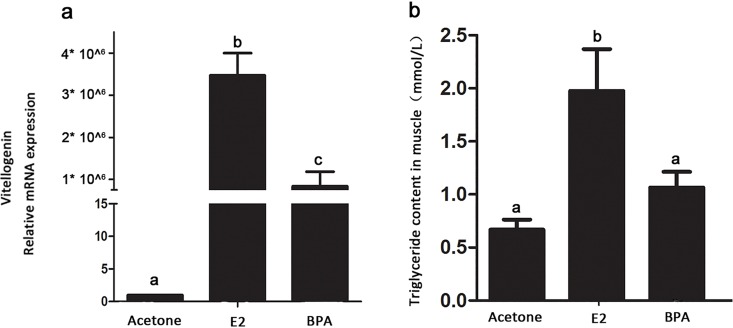
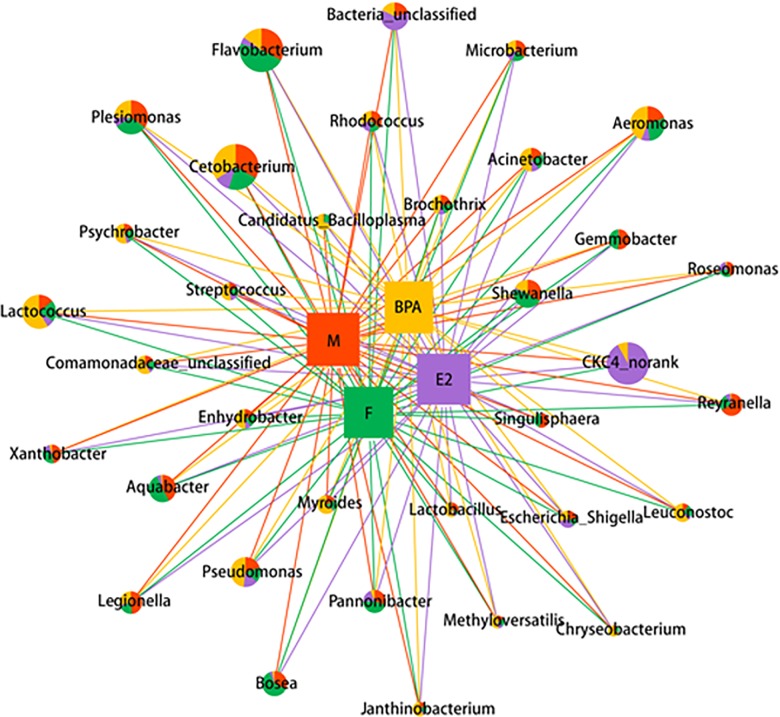
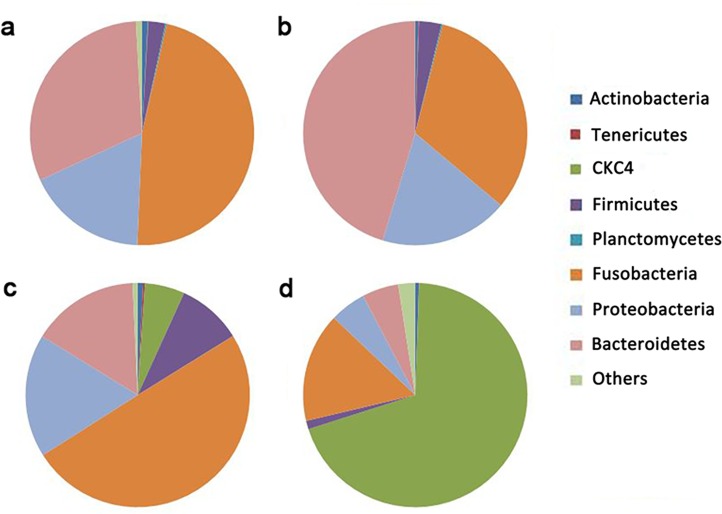
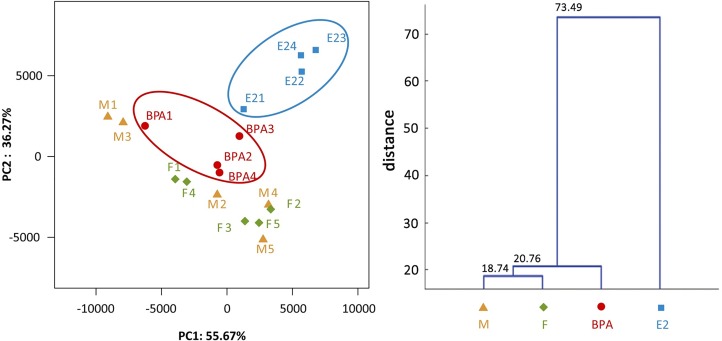
Gender is one of the factors influencing the intestinal microbial composition in mammals, but whether fish also have gender-specific intestinal microbial patterns remains unknown. In this decade, endocrine disrupting chemicals in surface and ground water of many areas and increasing observation of freshwater male fish displaying female sexual characteristics have been reported. Here we identified the difference in intestinal microbiota between male and female zebrafish, and revealed the influence of endocrine disrupting chemicals on zebrafish intestinal microbiota by using high-throughput sequencing. The results indicated that Fusobacteria, Bacteroidetes and Proteobacteria were dominant in the gut of zebrafish and there were no obvious gender-specific intestinal microbial patterns. Two endocrine disrupting chemicals, Estradiol (E2) and Bisphenol A (BPA), were selected to treat male zebrafish for 5 weeks. E2 and BPA increased vitellogenin expression in the liver of male zebrafish and altered the intestinal microbial composition with the abundance of the phylum CKC4 increased significantly. Our results suggested that because of the developmental character and living environment, gender did not influence the assembly of intestinal microbiota in zebrafish as it does in mammals, but exposure extra to endocrine disrupting chemicals disturbed the intestinal microbial composition, which may be related to changes in host physiological metabolism.
性别是影响哺乳动物肠道微生物组成的因素之一,但鱼类是否也有性别特异性的肠道微生物模式仍不清楚。在这十年间,许多地区地表水和地下水中的内分泌干扰化学物质被报道,并且越来越多地观察到淡水雄鱼呈现出雌性特征。在此,我们通过高通量测序确定了雄性和雌性斑马鱼肠道微生物群的差异,并揭示了内分泌干扰化学物质对斑马鱼肠道微生物群的影响。结果表明,厚壁菌门、拟杆菌门和变形菌门在斑马鱼肠道中占主导地位,且没有明显的性别特异性肠道微生物模式。选择两种内分泌干扰化学物质雌二醇(E2)和双酚A(BPA)对雄性斑马鱼进行为期5周的处理。E2和BPA增加了雄性斑马鱼肝脏中卵黄蛋白原的表达,并改变了肠道微生物组成,其中CKC4门的丰度显著增加。我们的结果表明,由于发育特征和生活环境,性别不像在哺乳动物中那样影响斑马鱼肠道微生物群的组装,但额外接触内分泌干扰化学物质会扰乱肠道微生物组成,这可能与宿主生理代谢的变化有关。