Cooper D K, Novitzky D, Wicomb W N
Department of Cardiothoracic Surgery, Groote Schuur Hospital, Cape Town, South Africa.
Ann R Coll Surg Engl. 1989 Jul;71(4):261-6.
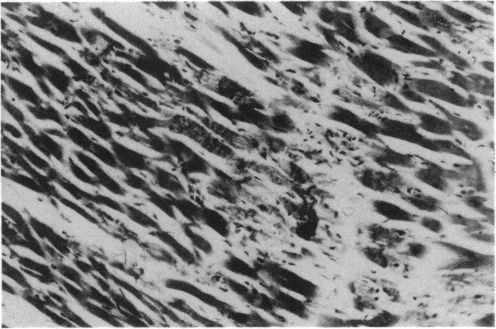
Major electrocardiographic, haemodynamic, and histopathological changes take place during the development of brain death; myocardial and pulmonary injury may result. Significant depletion of certain circulating hormones occurs, resulting in an inhibition of mitochondrial function, leading to reduced aerobic metabolic oxidative processes, affecting the body as a whole. Major organ energy stores are therefore diminished, leading to deterioration of function. Replacement of the depleted hormones, in particular triiodothyronine (T3), cortisol, and insulin, leads to rapid replacement of organ energy stores, associated with a return to normal function. T3 alone leads to reactivation of the mitochondria, stimulating aerobic metabolism. Hormonal therapy to brain-dead potential organ donors has been shown to lead to metabolic and haemodynamic stability, resulting in no wastage of organs, and in improved function after transplantation.
在脑死亡发展过程中会发生主要的心电图、血流动力学和组织病理学变化;可能导致心肌和肺部损伤。某些循环激素会显著耗竭,导致线粒体功能受到抑制,进而使有氧代谢氧化过程减少,影响整个身体。因此主要器官的能量储备减少,导致功能恶化。补充耗竭的激素,特别是三碘甲状腺原氨酸(T3)、皮质醇和胰岛素,会使器官能量储备迅速恢复,同时功能恢复正常。单独使用T3可使线粒体重新激活,刺激有氧代谢。对脑死亡潜在器官供体进行激素治疗已被证明可导致代谢和血流动力学稳定,不会造成器官浪费,并能改善移植后的功能。