Cai ZhuYing, Yang Wei, He YingYing, Chen Qingge, Wang ShiQiang, Luo Xuming, Wang Xiongbiao
Department of Respiratory Medicine, Putuo Hospital, Shanghai University of Traditional Chinese Medicine, No. 164, LanXi Road, Shanghai, China.
Drug Saf Case Rep. 2016 Dec;3(1):2. doi: 10.1007/s40800-016-0025-9.
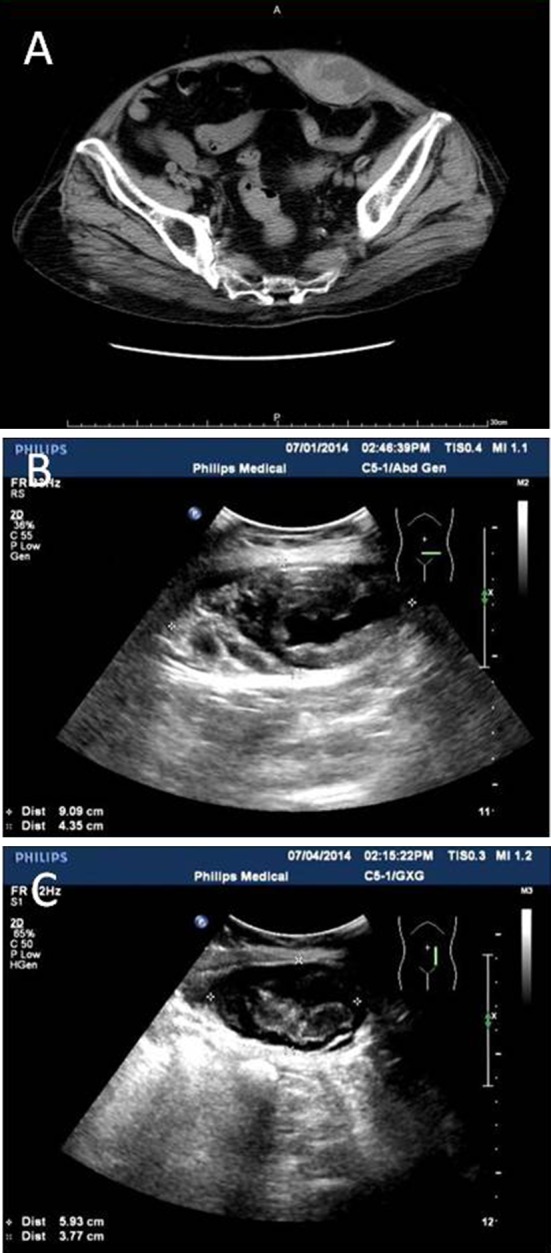
An 87-year-old woman developed abdominal wall hematoma and upper gastrointestinal bleeding during treatment with cefoperazone/sulbactam for pneumonia. The woman received cefoperazone/sulbactam at 4.5 g twice daily for intravenous infusion. After 7 days, she developed sudden onset of left lower abdominal pain, associated with subcutaneous mass, and vomited a coffee-colored liquid. Investigations revealed a coagulation index abnormality and activated partial thromboplastin time and prothrombin time increased obviously. She was diagnosed with cefoperazone-induced hemorrhage. Cefoperazone/sulbactam was discontinued and the patient received vitamin K1. The blood coagulation function improved and hematoma disappeared after 3 days. A Naranjo assessment score of 6 was obtained, indicating a probable relationship between the patient's coagulation function disorder and her use of the suspect drug.
一名87岁女性在使用头孢哌酮/舒巴坦治疗肺炎期间出现腹壁血肿和上消化道出血。该女性接受静脉输注头孢哌酮/舒巴坦,每日2次,每次4.5g。7天后,她突然出现左下腹疼痛,伴有皮下肿块,并呕吐出咖啡样液体。检查发现凝血指标异常,活化部分凝血活酶时间和凝血酶原时间明显延长。她被诊断为头孢哌酮所致出血。停用头孢哌酮/舒巴坦,患者接受维生素K1治疗。3天后凝血功能改善,血肿消失。Naranjo评估得分为6分,表明患者的凝血功能障碍与使用可疑药物之间可能存在关联。