Farjam Mojtaba, Bahrami Hossein, Bahramali Ehsan, Jamshidi Javad, Askari Alireza, Zakeri Habibollah, Homayounfar Reza, Poustchi Hossein, Malekzadeh Reza
Noncommunicable Diseases Research Center, Fasa University of Medical Sciences, Fasa, Iran.
Department of Medical Pharmacology, Fasa University of Medical Sciences, Fasa, Iran.
BMC Public Health. 2016 Oct 18;16(1):1090. doi: 10.1186/s12889-016-3760-z.
Non-communicable diseases (NCDs) have become the main causes of morbidity and mortality even in rural areas of many developing countries, including Iran. In view of this increased risk, Fasa Cohort Study (FACS) has been established to assess the risk factors for NCDs with the ultimate goal of providing optimal risk calculators for Iranian population and finding grounds for interventions at the population level.
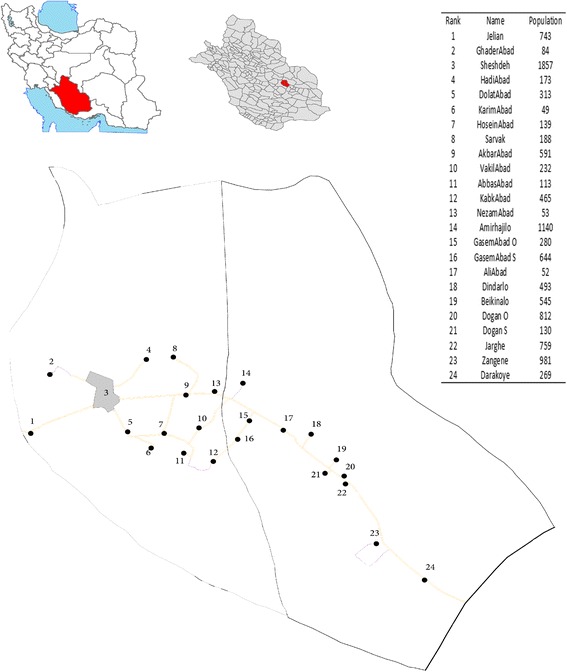
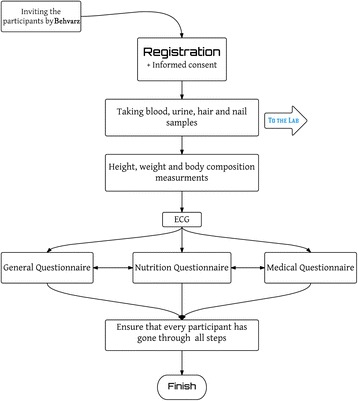
In a population-based cohort, at least 10,000 people within the age range of 35 to 70 years old from Sheshdeh, the suburb of Fasa city and its 24 satellite villages are being recruited. A detailed demographic, socioeconomic, anthropometric, nutrition, and medical history is obtained for each individual besides limited physical examinations and determination of physical activity and sleep patterns supplemented by body composition and electrocardiographic records. Routine laboratory assessments are done and a comprehensive biobank is compiled for future biological investigations. All data are stored online using a dedicated software.
FACS enrolls the individuals from rural and little township areas to evaluate the health conditions and analyze the risk factors pertinent to major NCDs. This study will provide an evidence-based background for further national and international policies in preventive medicine. Yearly follow ups are designed to assess the health events in the participating population. It is believed that the results would construct a contemporary knowledge of Iranian high risk health characteristics and behaviors as well as the platform for further interventions of risk reduction in a typical Iranian population. Constantly probing for future advances in NCDs prevention and management, the accumulated database and biobank serves as a potential for state of the art research and international collaborations.
即使在包括伊朗在内的许多发展中国家的农村地区,非传染性疾病(NCDs)也已成为发病和死亡的主要原因。鉴于这种风险的增加,法萨队列研究(FACS)已经建立,以评估非传染性疾病的风险因素,其最终目标是为伊朗人群提供最佳风险计算器,并找到在人群层面进行干预的依据。
在一项基于人群的队列研究中,正在招募来自法萨市郊区Sheshdeh及其24个卫星村的至少10000名年龄在35至70岁之间的人。除了有限的体格检查以及通过身体成分和心电图记录补充确定身体活动和睡眠模式外,还为每个个体获取详细的人口统计学、社会经济、人体测量学、营养和病史信息。进行常规实验室评估,并编制一个综合生物样本库以供未来的生物学研究使用。所有数据都使用专用软件在线存储。
FACS纳入来自农村和小乡镇地区的个体,以评估健康状况并分析与主要非传染性疾病相关的风险因素。这项研究将为预防医学方面进一步的国家和国际政策提供循证背景。设计每年进行随访以评估参与人群中的健康事件。人们相信,研究结果将构建关于伊朗高风险健康特征和行为的当代知识,以及为在典型伊朗人群中进一步降低风险干预的平台。通过不断探索非传染性疾病预防和管理的未来进展,积累的数据库和生物样本库为开展前沿研究和国际合作提供了潜力。