Center for Brain Research, Medical University of Vienna, Spitalgasse 4, 1090, Vienna, Austria.
Acta Neuropathol. 2017 Feb;133(2):223-244. doi: 10.1007/s00401-016-1631-4. Epub 2016 Oct 20.
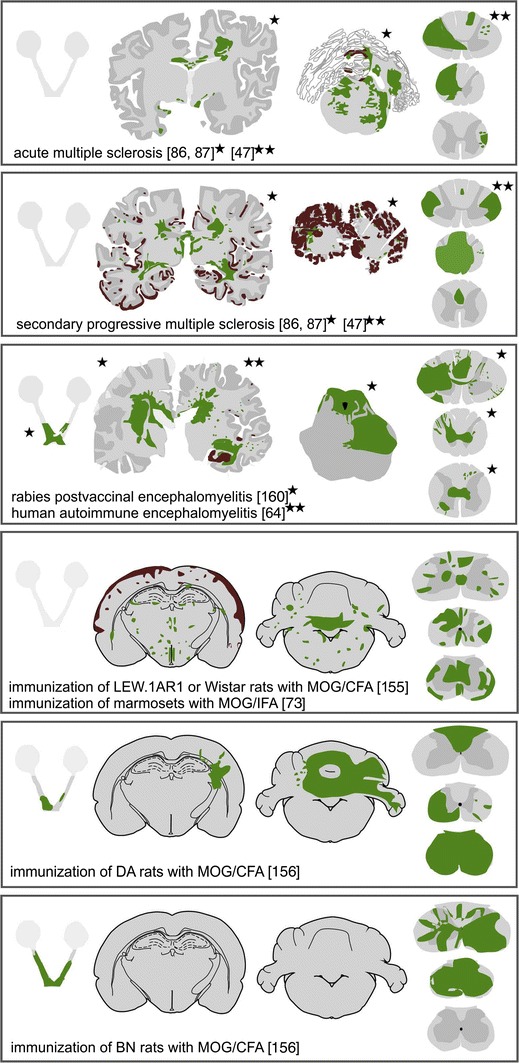
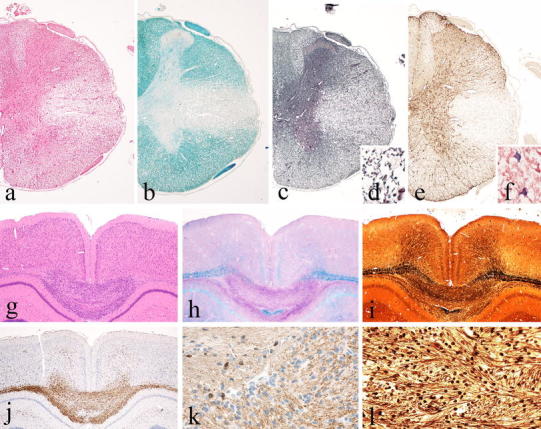
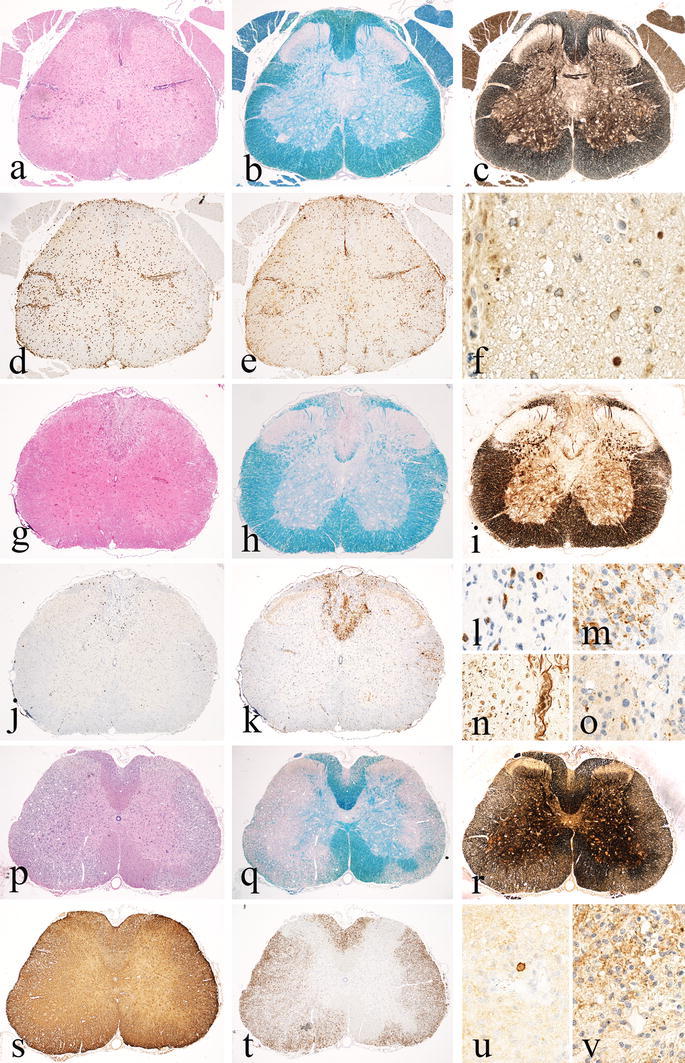
One of the most frequent statements, provided in different variations in the introduction of experimental studies on multiple sclerosis (MS), is that "Multiple sclerosis is a demyelinating autoimmune disease and experimental autoimmune encephalomyelitis (EAE) is a suitable model to study its pathogenesis". However, so far, no single experimental model covers the entire spectrum of the clinical, pathological, or immunological features of the disease. Many different models are available, which proved to be highly useful for studying different aspects of inflammation, demyelination, remyelination, and neurodegeneration in the central nervous system. However, the relevance of results from such models for MS pathogenesis has to be critically validated. Current EAE models are mainly based on inflammation, induced by auto-reactive CD4 T-cells, and these models reflect important aspects of MS. However, pathological data and results from clinical trials in MS indicate that CD8 T-cells and B-lymphocytes may play an important role in propagating inflammation and tissue damage in established MS. Viral models may reflect key features of MS-like inflammatory demyelination, but are difficult to use due to their very complex pathogenesis, involving direct virus-induced and immune-mediated mechanisms. Furthermore, evidence for a role of viruses in MS pathogenesis is indirect and limited, and an MS-specific virus infection has not been identified so far. Toxic models are highly useful to unravel mechanisms of de- and remyelination, but do not reflect other important aspects of MS pathology and pathogenesis. For all these reasons, it is important to select the right experimental model to answer specific questions in MS research.
多发性硬化症(MS)的实验研究引言中经常出现的一种说法是,“多发性硬化症是一种脱髓鞘自身免疫性疾病,实验性自身免疫性脑脊髓炎(EAE)是研究其发病机制的合适模型”。然而,到目前为止,没有任何单一的实验模型能够涵盖该疾病的临床、病理或免疫学特征的全貌。有许多不同的模型可用,这些模型已被证明对研究中枢神经系统中的炎症、脱髓鞘、髓鞘再生和神经退行性变的不同方面非常有用。然而,必须对这些模型的结果对 MS 发病机制的相关性进行严格验证。目前的 EAE 模型主要基于自身反应性 CD4 T 细胞诱导的炎症,这些模型反映了 MS 的重要方面。然而,病理数据和 MS 临床试验的结果表明,CD8 T 细胞和 B 淋巴细胞可能在已建立的 MS 中炎症和组织损伤的传播中发挥重要作用。病毒模型可能反映出类似于 MS 的炎症性脱髓鞘的关键特征,但由于其非常复杂的发病机制,涉及直接的病毒诱导和免疫介导机制,因此难以使用。此外,病毒在 MS 发病机制中的作用的证据是间接的和有限的,到目前为止还没有发现 MS 特异性的病毒感染。毒性模型对于揭示脱髓鞘和髓鞘再生的机制非常有用,但不能反映 MS 病理学和发病机制的其他重要方面。基于所有这些原因,选择合适的实验模型来回答 MS 研究中的具体问题非常重要。