Quach Hélène, Rotival Maxime, Pothlichet Julien, Loh Yong-Hwee Eddie, Dannemann Michael, Zidane Nora, Laval Guillaume, Patin Etienne, Harmant Christine, Lopez Marie, Deschamps Matthieu, Naffakh Nadia, Duffy Darragh, Coen Anja, Leroux-Roels Geert, Clément Frederic, Boland Anne, Deleuze Jean-François, Kelso Janet, Albert Matthew L, Quintana-Murci Lluis
Human Evolutionary Genetics Unit, Institut Pasteur, Paris 75015, France; CNRS, URA3012, Paris 75015, France; Center of Bioinformatics, Biostatistics and Integrative Biology, Institut Pasteur, Paris 75015, France.
Department of Evolutionary Genetics, Max Planck Institute for Evolutionary Anthropology, Leipzig 04103, Germany.
Cell. 2016 Oct 20;167(3):643-656.e17. doi: 10.1016/j.cell.2016.09.024.
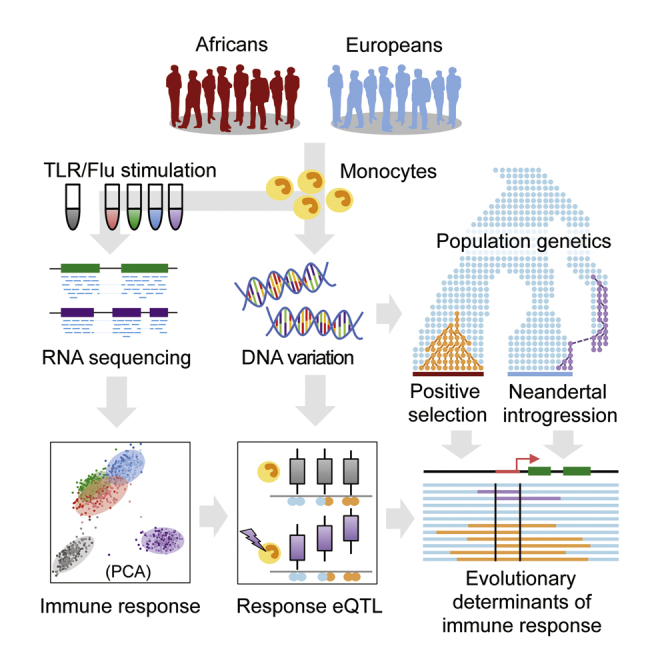
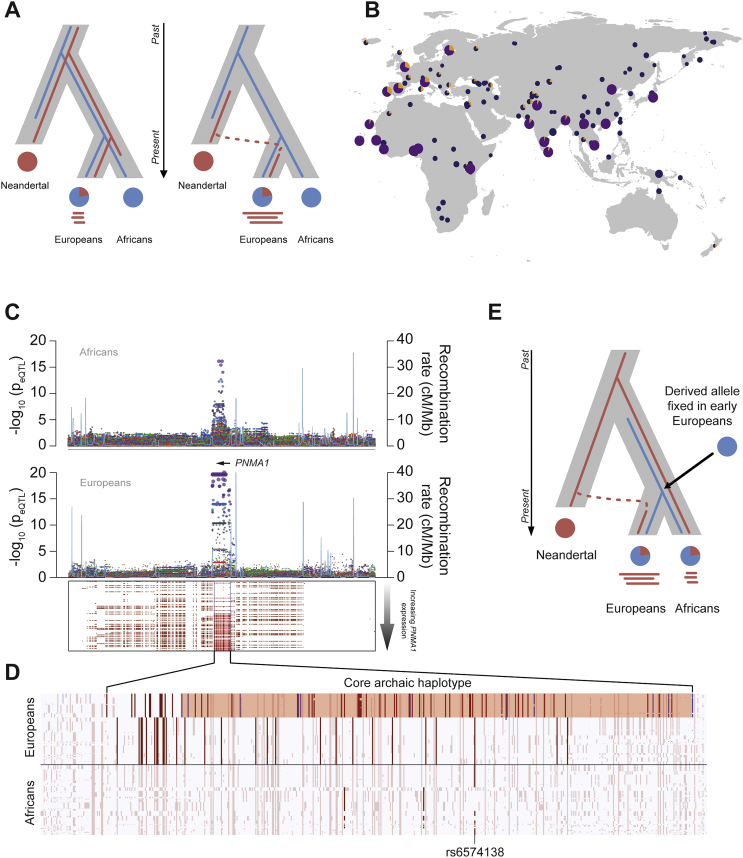
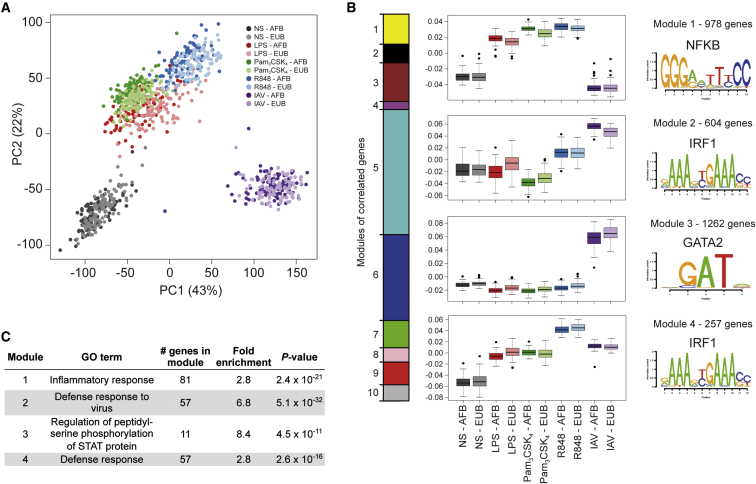
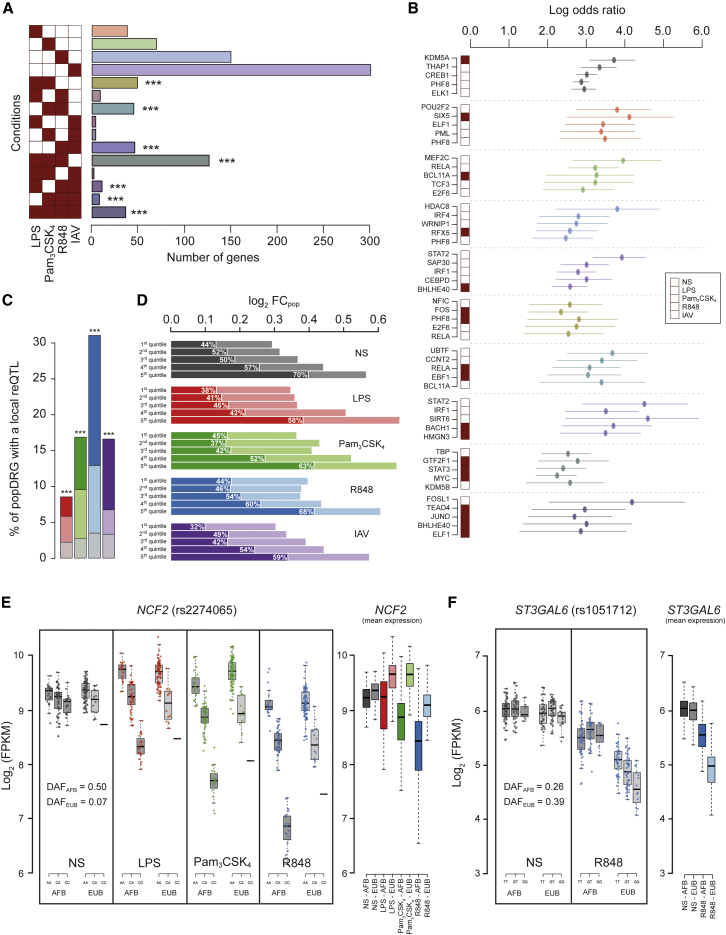
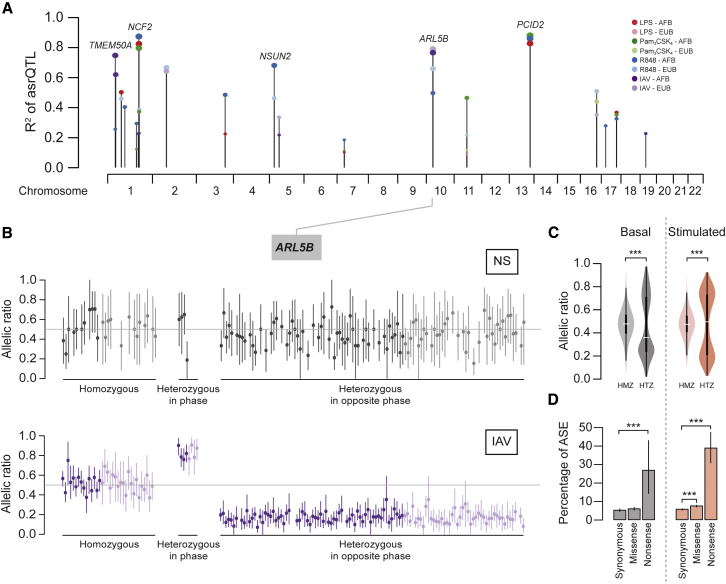
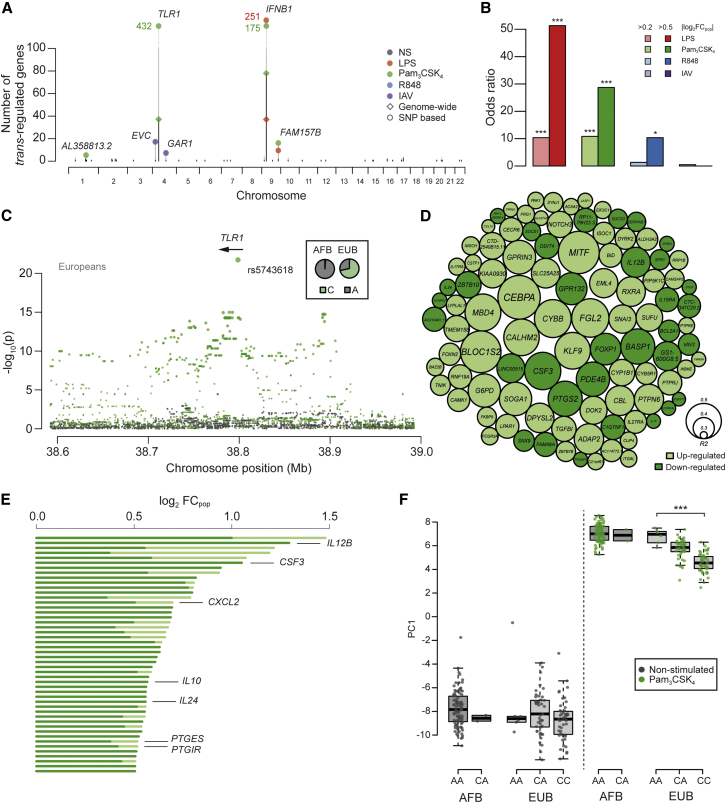
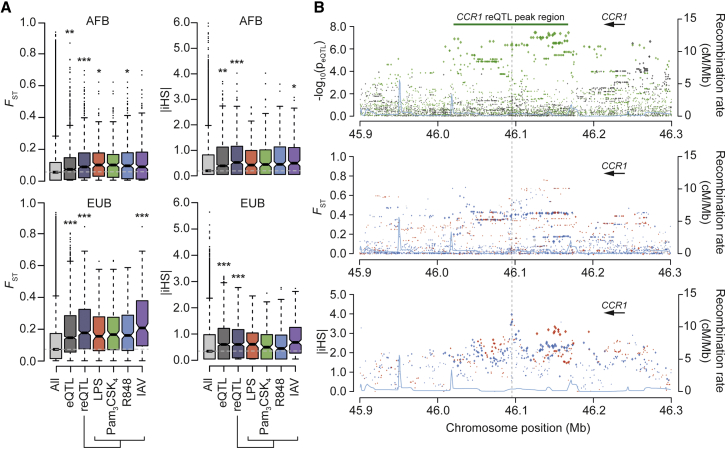
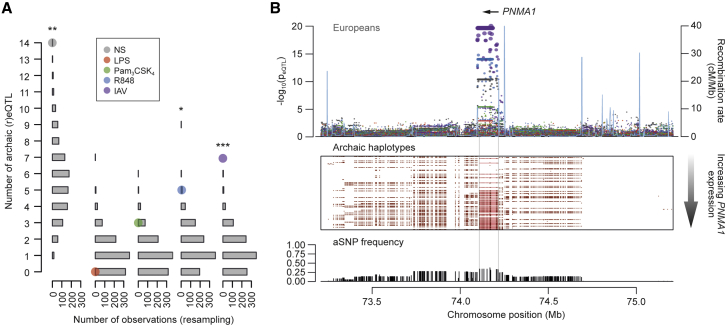
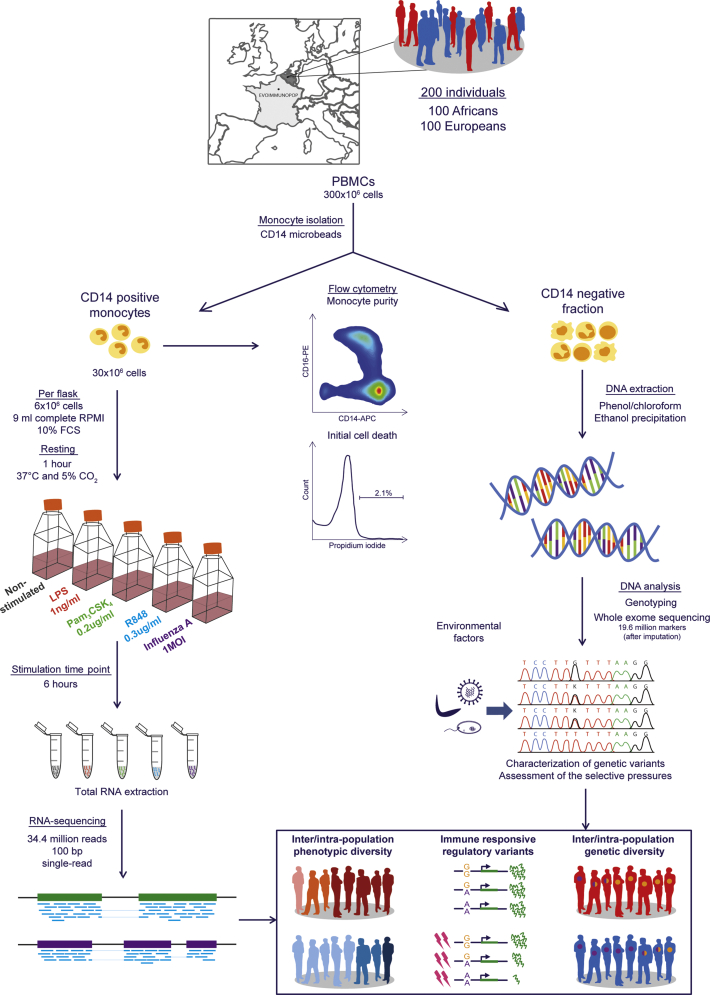
Humans differ in the outcome that follows exposure to life-threatening pathogens, yet the extent of population differences in immune responses and their genetic and evolutionary determinants remain undefined. Here, we characterized, using RNA sequencing, the transcriptional response of primary monocytes from Africans and Europeans to bacterial and viral stimuli-ligands activating Toll-like receptor pathways (TLR1/2, TLR4, and TLR7/8) and influenza virus-and mapped expression quantitative trait loci (eQTLs). We identify numerous cis-eQTLs that contribute to the marked differences in immune responses detected within and between populations and a strong trans-eQTL hotspot at TLR1 that decreases expression of pro-inflammatory genes in Europeans only. We find that immune-responsive regulatory variants are enriched in population-specific signals of natural selection and show that admixture with Neandertals introduced regulatory variants into European genomes, affecting preferentially responses to viral challenges. Together, our study uncovers evolutionarily important determinants of differences in host immune responsiveness between human populations.
人类在接触危及生命的病原体后的结果存在差异,但人群免疫反应的差异程度及其遗传和进化决定因素仍不明确。在这里,我们使用RNA测序对非洲人和欧洲人的原代单核细胞对细菌和病毒刺激(激活Toll样受体途径(TLR1/2、TLR4和TLR7/8)的配体)以及流感病毒的转录反应进行了表征,并绘制了表达数量性状基因座(eQTL)图谱。我们鉴定出许多顺式eQTL,它们导致了在人群内部和人群之间检测到的免疫反应的显著差异,以及仅在欧洲人中降低促炎基因表达的位于TLR1的一个强大的反式eQTL热点。我们发现免疫反应性调控变异在自然选择的人群特异性信号中富集,并表明与尼安德特人的混合将调控变异引入了欧洲基因组,优先影响对病毒挑战的反应。总之,我们的研究揭示了人群间宿主免疫反应性差异的重要进化决定因素。