Department of Medicine, New York University School of Medicine, 550 First Avenue New York, NY 10016, USA.
VasculoTox Inc., New York, NY 10001, USA.
Sci Rep. 2016 Oct 27;6:35811. doi: 10.1038/srep35811.
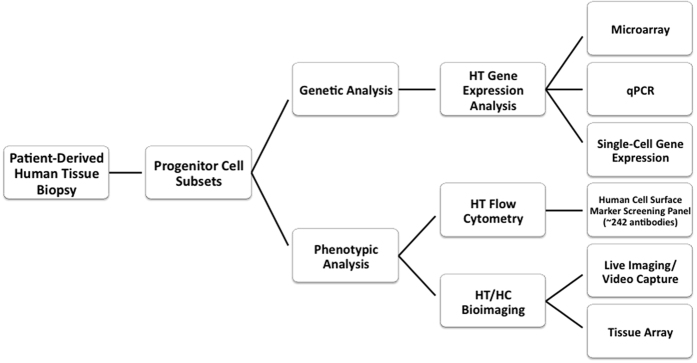
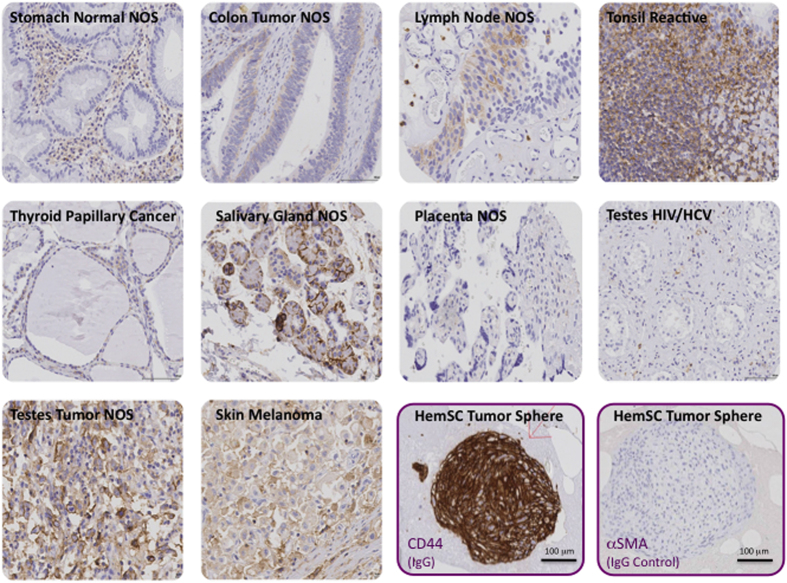
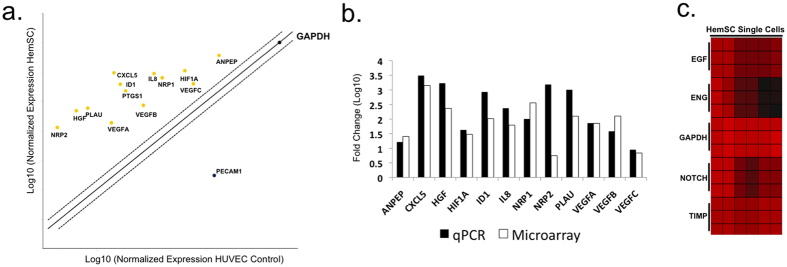
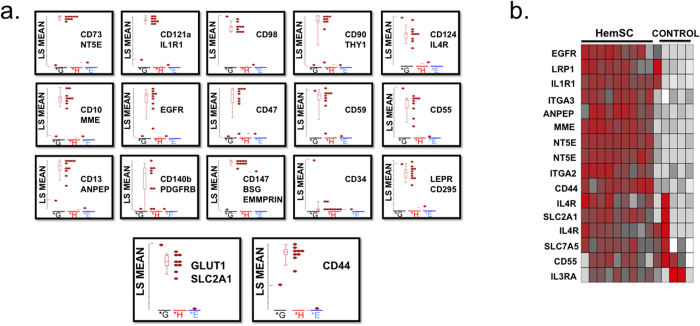
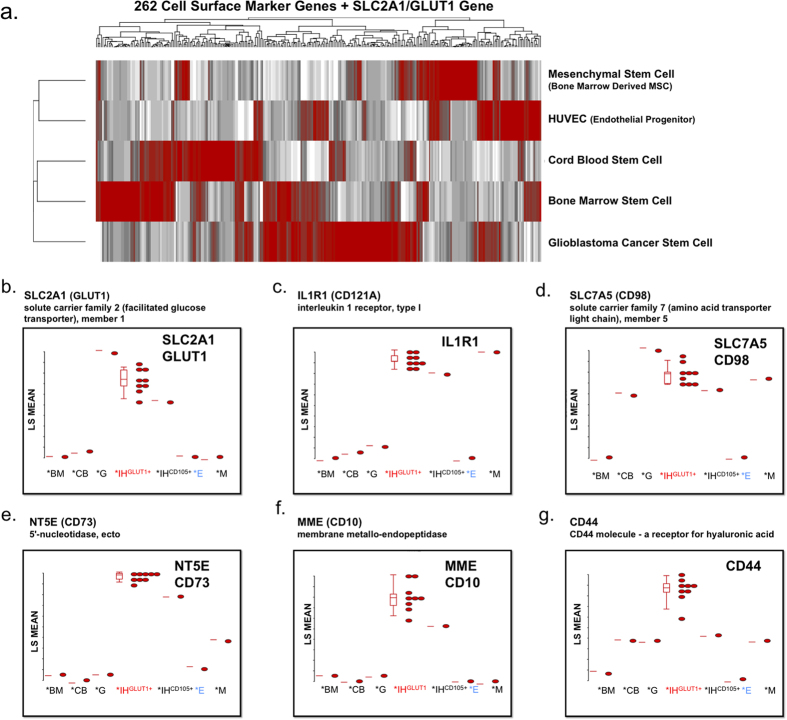
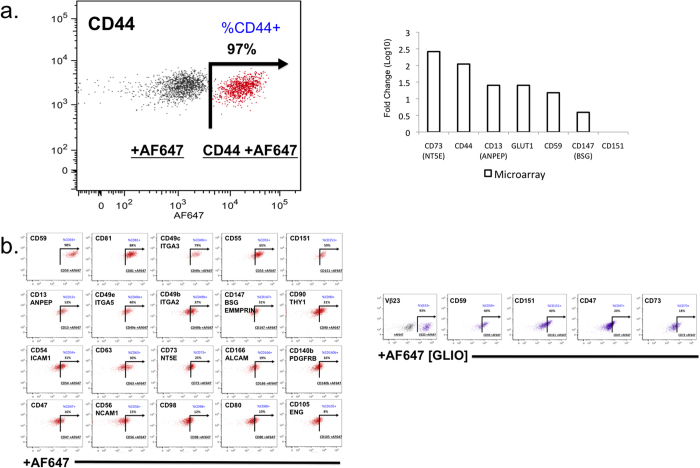
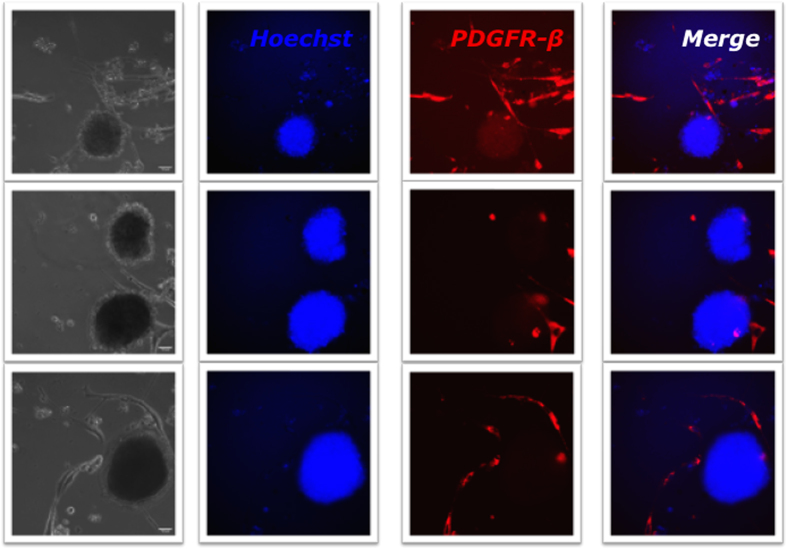
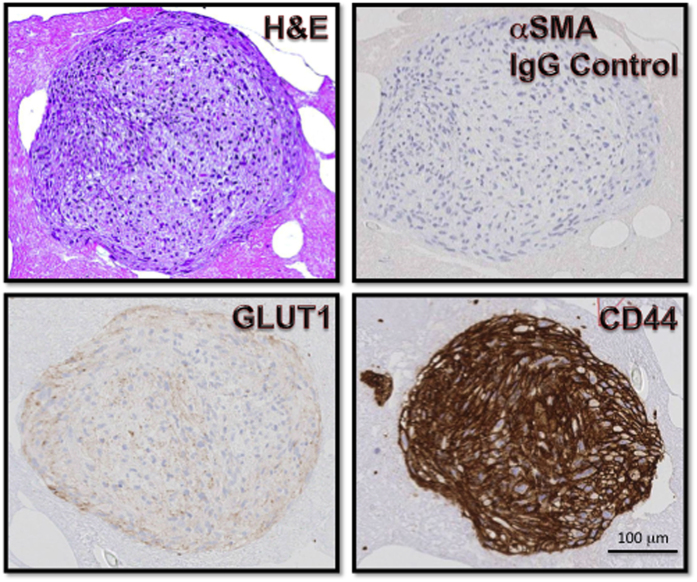
Infantile hemangioma (IH) is the most common tumor of infancy. Its cellular origin and biological signals for uncontrolled growth are poorly understood, and specific pharmacological treatment is unavailable. To understand the process of hemangioma-genesis we characterized the progenitor hemangioma-derived stem cell (HemSC) and its lineage and non-lineage derivatives. For this purpose we performed a high-throughput (HT) phenotypic and gene expression analysis of HemSCs, and analyzed HemSC-derived tumorspheres. We found that IH is characterized by high expression of genes involved in vasculogenesis, angiogenesis, tumorigenesis and associated signaling pathways. These results show that IH derives from a dysregulated stem cell that remains in an immature, arrested stage of development. The potential biomarkers we identified can afford the development of diagnostic tools and precision-medicine therapies to "rewire" or redirect cellular transitions at an early stage, such as signaling pathways or immune response modifiers.
婴儿血管瘤 (IH) 是最常见的婴儿肿瘤。其细胞起源和不受控制生长的生物信号仍不清楚,也没有特定的药理学治疗方法。为了了解血管瘤发生的过程,我们对祖细胞来源的血管瘤干细胞 (HemSC) 及其谱系和非谱系衍生物进行了表征。为此,我们对 HemSCs 进行了高通量 (HT) 表型和基因表达分析,并分析了 HemSC 衍生的肿瘤球。我们发现 IH 的特征是与血管发生、血管生成、肿瘤发生和相关信号通路相关的基因表达上调。这些结果表明 IH 来源于一种失调的干细胞,它仍处于发育不成熟、停滞的阶段。我们鉴定的潜在生物标志物可用于开发诊断工具和精准医学疗法,以“重新布线”或在早期重新定向细胞转化,如信号通路或免疫反应调节剂。