Huang Ying, Gao Jiang-Man, Zhang Chun-Mei, Zhao Hong-Cui, Zhao Yue, Li Rong, Yu Yang, Qiao Jie
Reproductive Medical CenterDepartment of Obstetrics and Gynecology, Peking University Third Hospital, Beijing, China.
Key Laboratory of Assisted ReproductionMinistry of Education, Beijing, China.
Reproduction. 2016 Dec;152(6):705-714. doi: 10.1530/REP-16-0081.
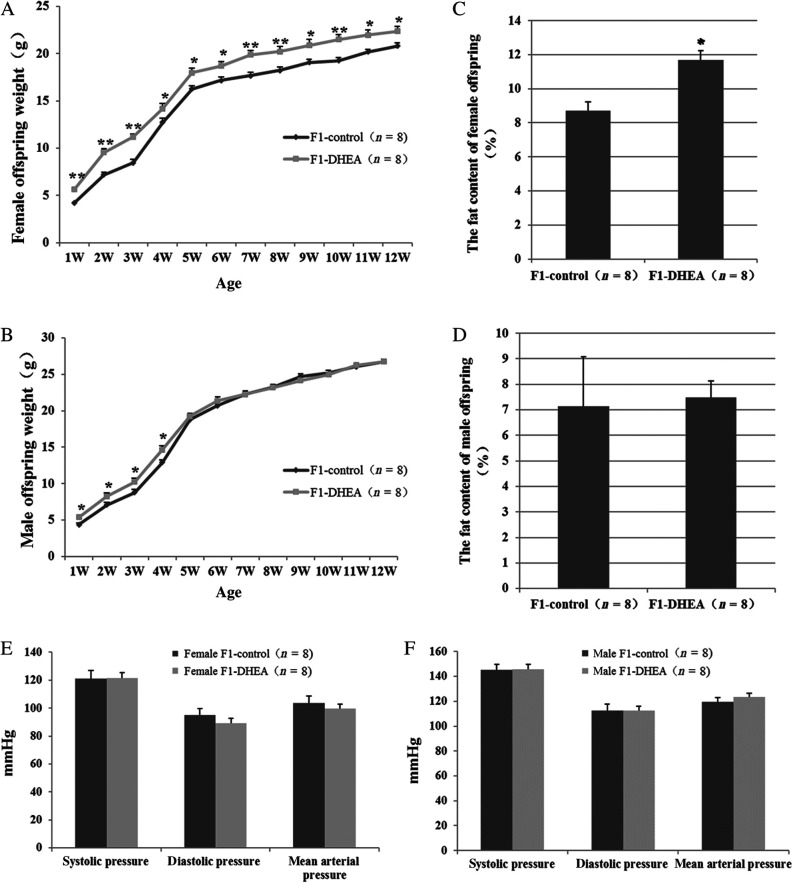
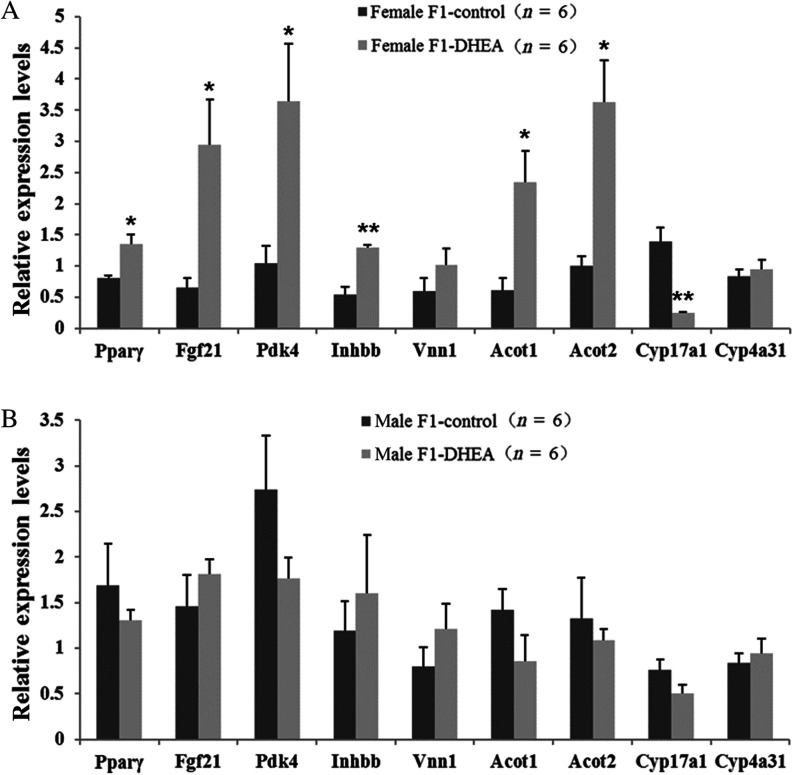
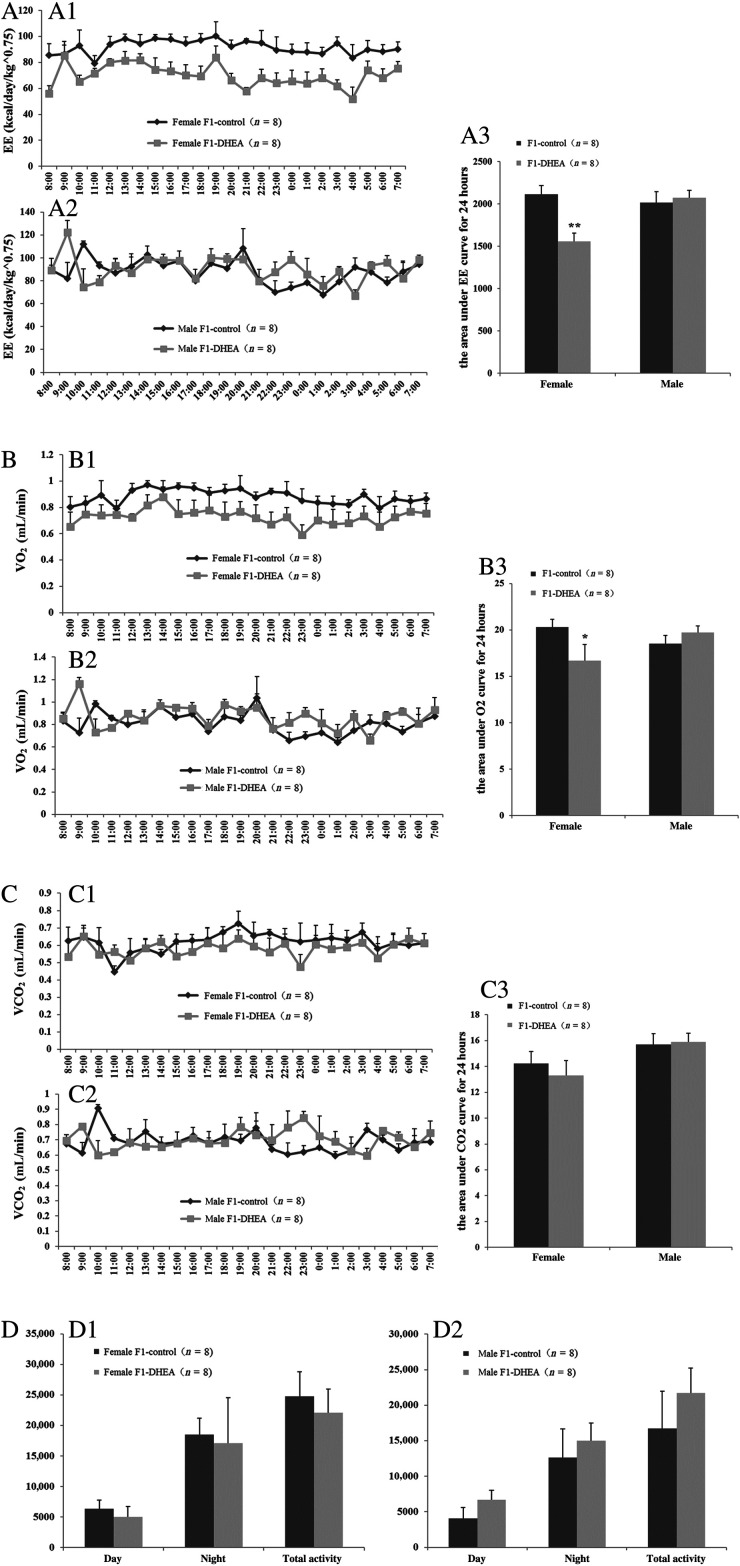
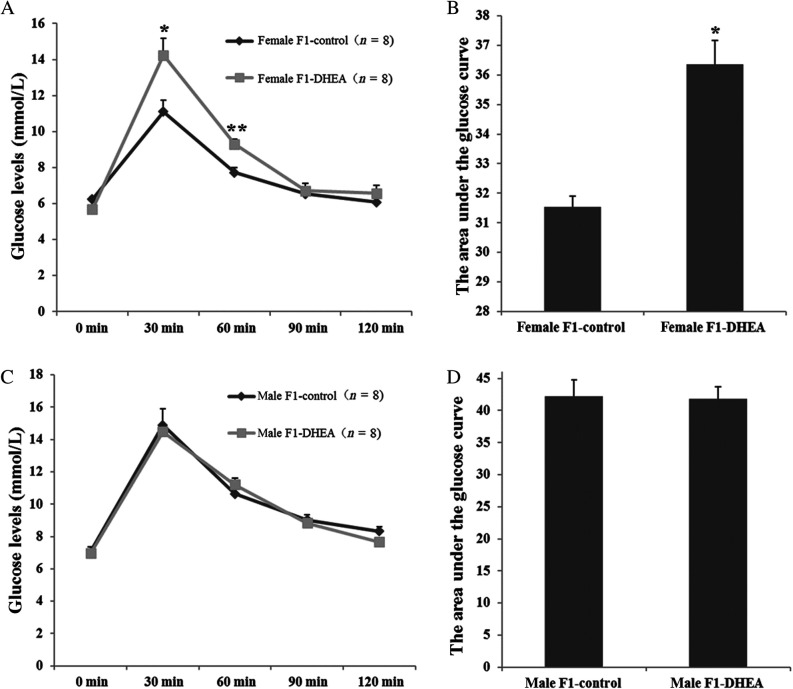
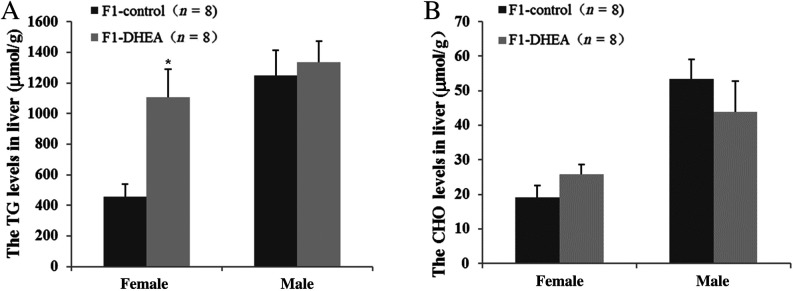
Polycystic ovary syndrome (PCOS) is a common reproductive disorder that has many characteristic features including hyperandrogenemia, insulin resistance and obesity, which may have significant implications for pregnancy outcomes and long-term health of women. Daughters born to PCOS mothers constitute a high-risk group for metabolic and reproductive derangements, but no report has described potential growth and metabolic risk factors for such female offspring. Hence, we used a mouse model of dehydroepiandrosterone (DHEA)-induced PCOS to study the mechanisms underlying the pathology of PCOS by investigating the growth, developmental characteristics, metabolic indexes and expression profiles of key genes of offspring born to the models. We found that the average litter size was significantly smaller in the DHEA group, and female offspring had sustained higher body weight, increased body fat and triglyceride content in serum and liver; they also exhibited decreased energy expenditure, oxygen consumption and impaired glucose tolerance. Genes related to glucolipid metabolism such as Pparγ, Acot1/2, Fgf21, Pdk4 and Inhbb were upregulated in the liver of the offspring in DHEA group compared with those in controls, whereas Cyp17a1 expression was significantly decreased. However, the expression of these genes was not detected in male offspring. Our results show that female offspring in DHEA group exhibit perturbed growth and glucolipid metabolism that were not observed in male offspring.
多囊卵巢综合征(PCOS)是一种常见的生殖系统疾病,具有许多特征,包括高雄激素血症、胰岛素抵抗和肥胖,这些可能对妊娠结局和女性的长期健康产生重大影响。PCOS母亲所生的女儿构成了代谢和生殖紊乱的高危群体,但尚无报告描述此类雌性后代潜在的生长和代谢风险因素。因此,我们使用脱氢表雄酮(DHEA)诱导的PCOS小鼠模型,通过研究模型所产后代的生长、发育特征、代谢指标和关键基因的表达谱,来探讨PCOS病理机制。我们发现,DHEA组的平均窝产仔数显著减少,雌性后代体重持续较高,血清和肝脏中的体脂和甘油三酯含量增加;它们还表现出能量消耗减少、耗氧量降低和葡萄糖耐量受损。与对照组相比,DHEA组后代肝脏中与糖脂代谢相关的基因如Pparγ、Acot1/2、Fgf21、Pdk4和Inhbb上调,而Cyp17a1表达显著降低。然而,在雄性后代中未检测到这些基因的表达。我们的结果表明,DHEA组的雌性后代表现出生长和糖脂代谢紊乱,而雄性后代未观察到这种情况。