Zhou Ning
Department of Communication Sciences and Disorders, East Carolina University, Greenville, NC, United States of America.
PLoS One. 2016 Oct 31;11(10):e0165476. doi: 10.1371/journal.pone.0165476. eCollection 2016.
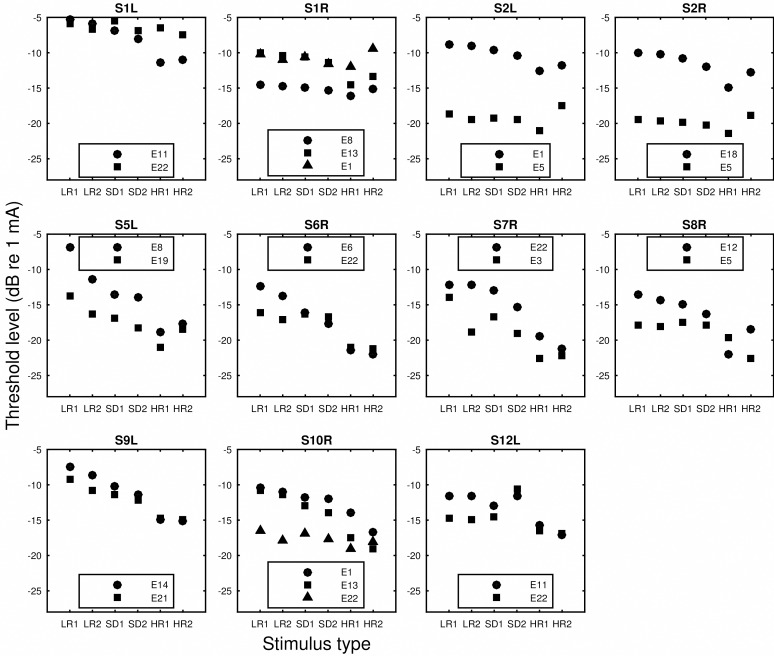
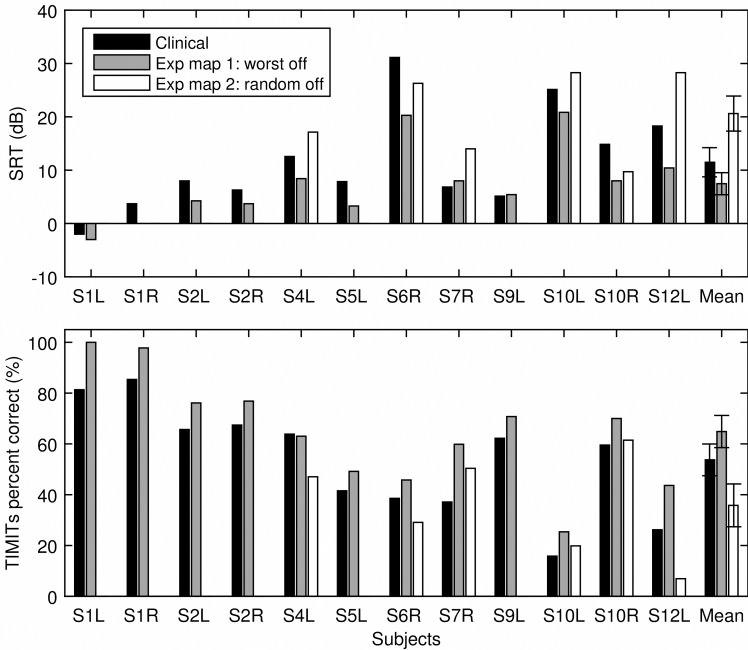
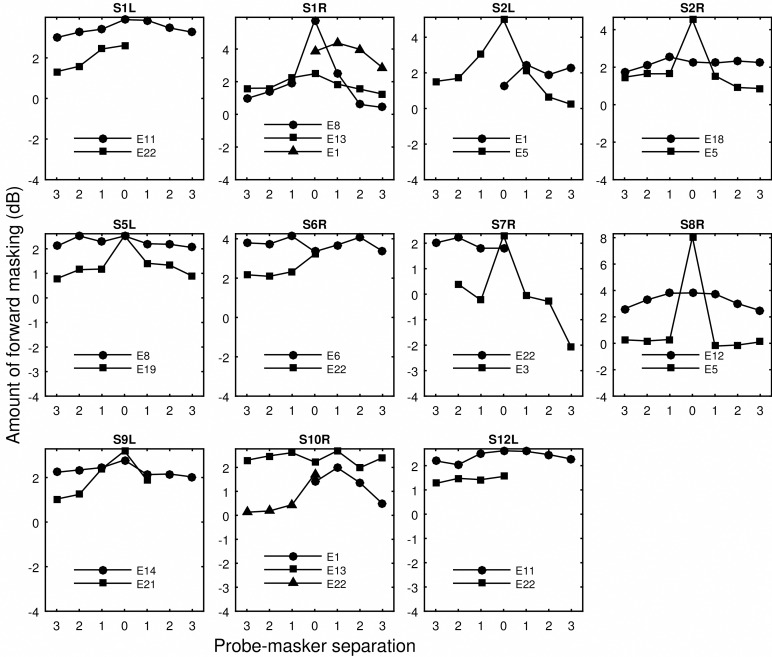
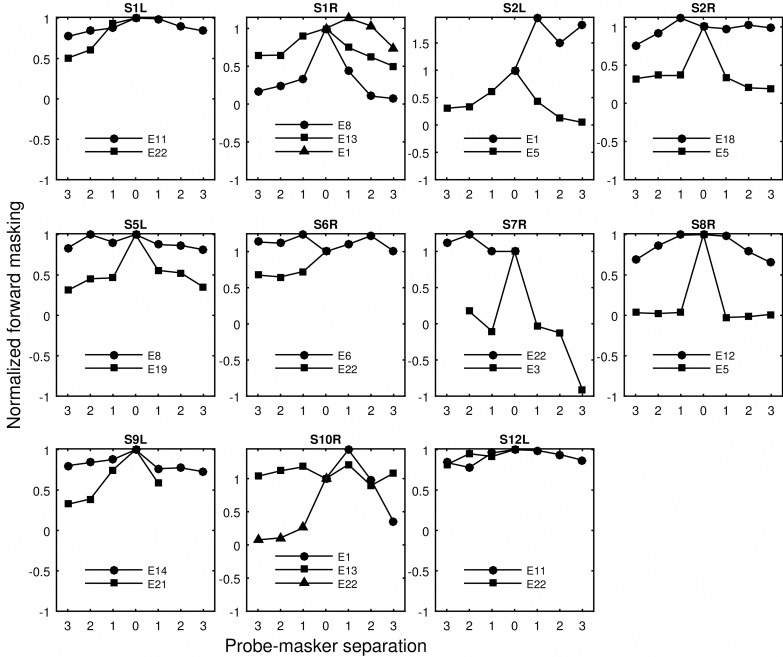
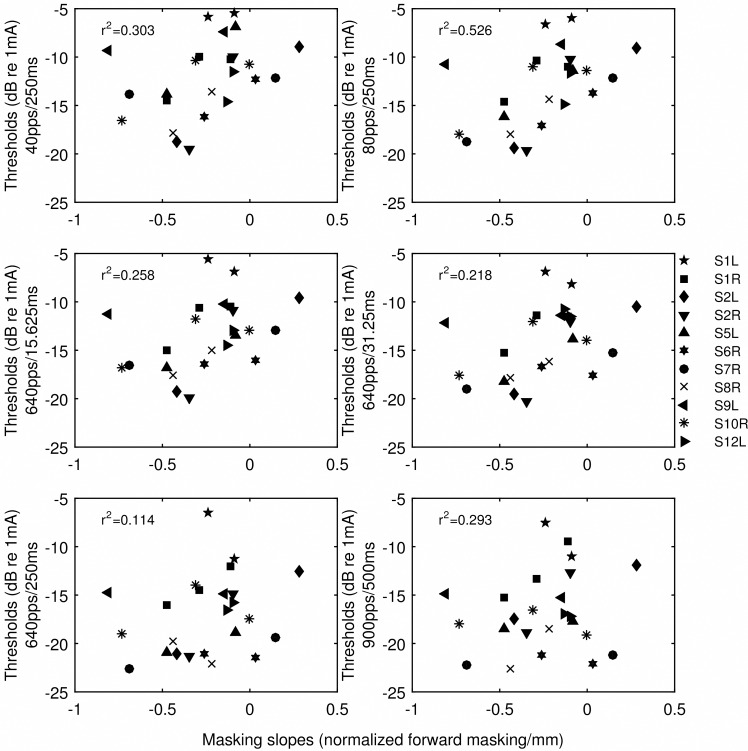
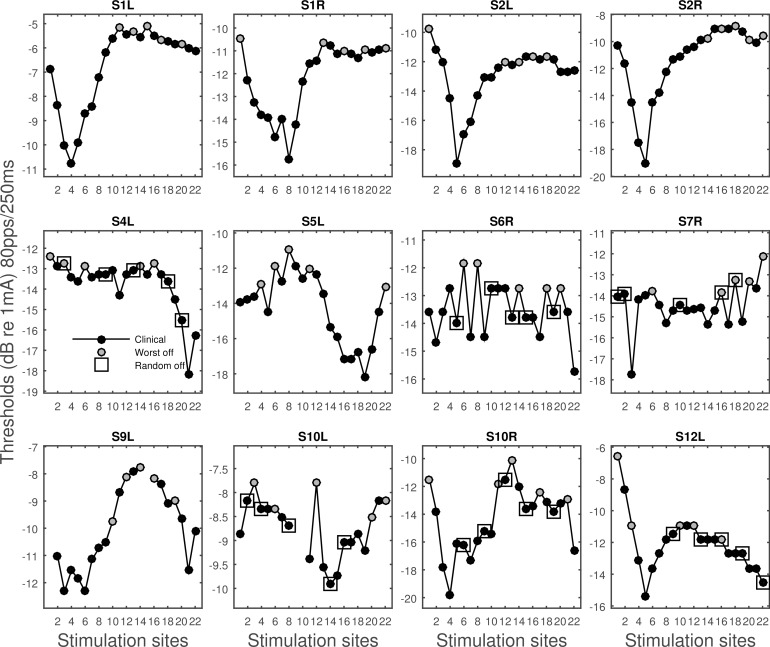
The objectives of the study were to (1) investigate the potential of using monopolar psychophysical detection thresholds for estimating spatial selectivity of neural excitation with cochlear implants and to (2) examine the effect of site removal on speech recognition based on the threshold measure. Detection thresholds were measured in Cochlear Nucleus® device users using monopolar stimulation for pulse trains that were of (a) low rate and long duration, (b) high rate and short duration, and (c) high rate and long duration. Spatial selectivity of neural excitation was estimated by a forward-masking paradigm, where the probe threshold elevation in the presence of a forward masker was measured as a function of masker-probe separation. The strength of the correlation between the monopolar thresholds and the slopes of the masking patterns systematically reduced as neural response of the threshold stimulus involved interpulse interactions (refractoriness and sub-threshold adaptation), and spike-rate adaptation. Detection threshold for the low-rate stimulus most strongly correlated with the spread of forward masking patterns and the correlation reduced for long and high rate pulse trains. The low-rate thresholds were then measured for all electrodes across the array for each subject. Subsequently, speech recognition was tested with experimental maps that deactivated five stimulation sites with the highest thresholds and five randomly chosen ones. Performance with deactivating the high-threshold sites was better than performance with the subjects' clinical map used every day with all electrodes active, in both quiet and background noise. Performance with random deactivation was on average poorer than that with the clinical map but the difference was not significant. These results suggested that the monopolar low-rate thresholds are related to the spatial neural excitation patterns in cochlear implant users and can be used to select sites for more optimal speech recognition performance.
(1)研究使用单极心理物理检测阈值来估计人工耳蜗神经兴奋的空间选择性的潜力;(2)基于阈值测量来检验去除电极部位对言语识别的影响。使用Cochlear Nucleus®设备的用户,通过单极刺激测量了以下三种脉冲序列的检测阈值:(a)低速率和长时间持续;(b)高速率和短时间持续;(c)高速率和长时间持续。通过前向掩蔽范式估计神经兴奋的空间选择性,其中在存在前向掩蔽器的情况下,测量探测阈值升高作为掩蔽器-探测间隔的函数。随着阈值刺激的神经反应涉及脉冲间相互作用(不应期和阈下适应)以及脉冲发放率适应,单极阈值与掩蔽模式斜率之间的相关性强度会系统性降低。低速率刺激的检测阈值与前向掩蔽模式的扩展相关性最强,而对于长时和高速率脉冲序列,相关性降低。然后为每个受试者测量阵列中所有电极的低速率阈值。随后,使用实验图谱测试言语识别,这些图谱停用了阈值最高的五个刺激部位和五个随机选择的部位。在安静和背景噪声环境下,停用高阈值部位时的表现均优于使用所有电极激活的受试者日常临床图谱时的表现。随机停用部位时的表现平均比使用临床图谱时差,但差异不显著。这些结果表明,单极低速率阈值与人工耳蜗使用者的空间神经兴奋模式相关,可用于选择部位以获得更优的言语识别性能。