Borowiec Marta, Gorzkiewicz Michal, Grzesik Joanna, Walczak-Drzewiecka Aurelia, Salkowska Anna, Rodakowska Ewelina, Steczkiewicz Kamil, Rychlewski Leszek, Dastych Jaroslaw, Ginalski Krzysztof
Laboratory of Bioinformatics and Systems Biology, Centre of New Technologies, University of Warsaw, Zwirki i Wigury 93, Warsaw 02-089, Poland.
Laboratory of Cellular Immunology, Institute of Medical Biology, Polish Academy of Sciences, Lodowa 106, Lodz 93-232, Poland.
Toxins (Basel). 2016 Nov 10;8(11):321. doi: 10.3390/toxins8110321.
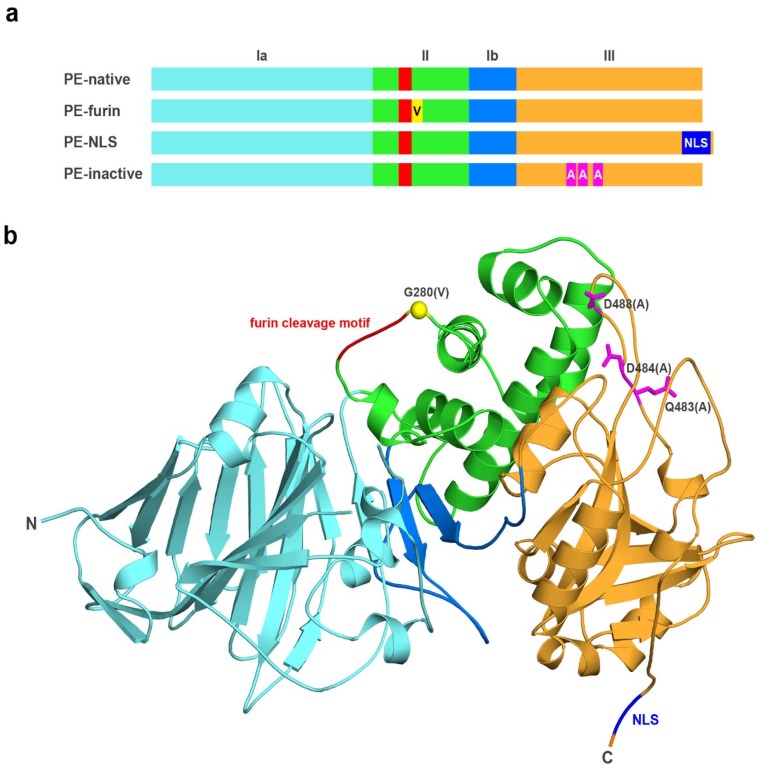
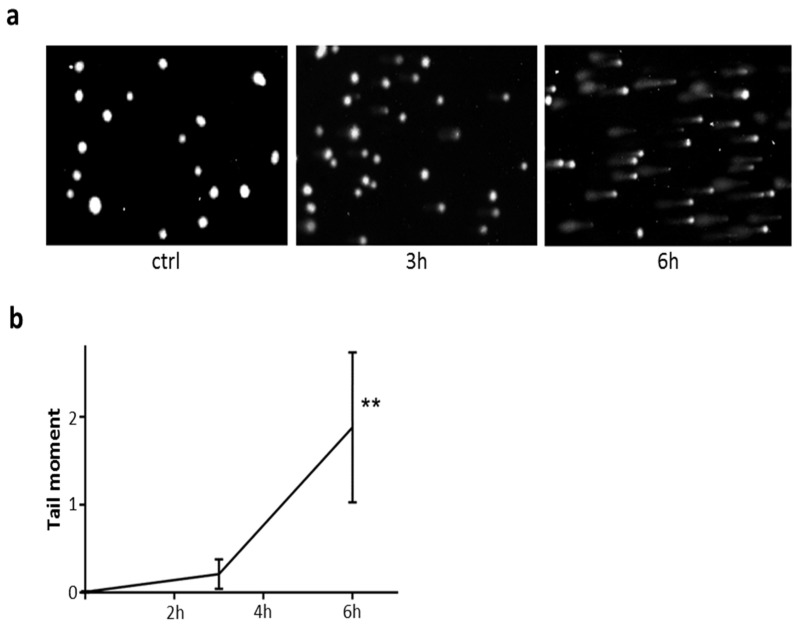
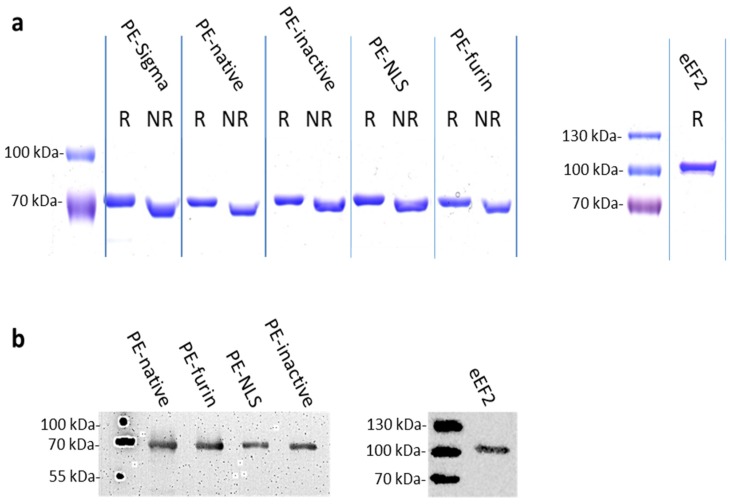
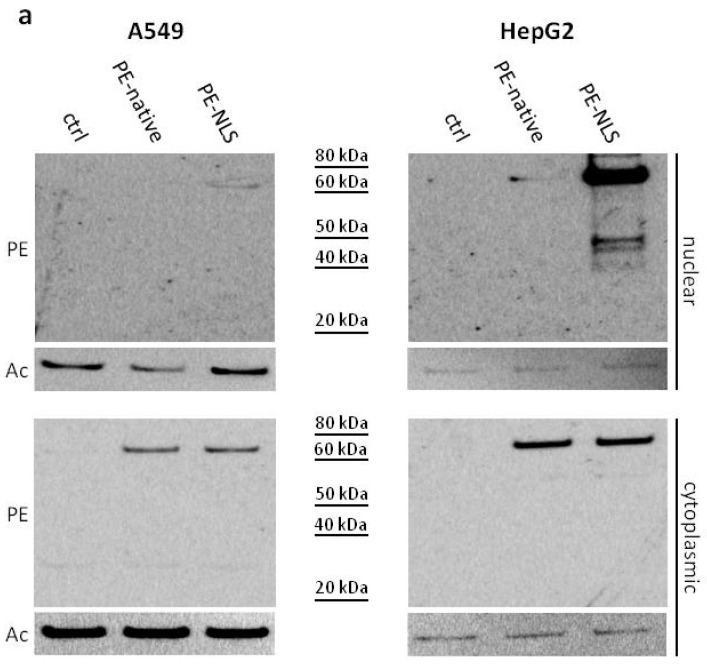
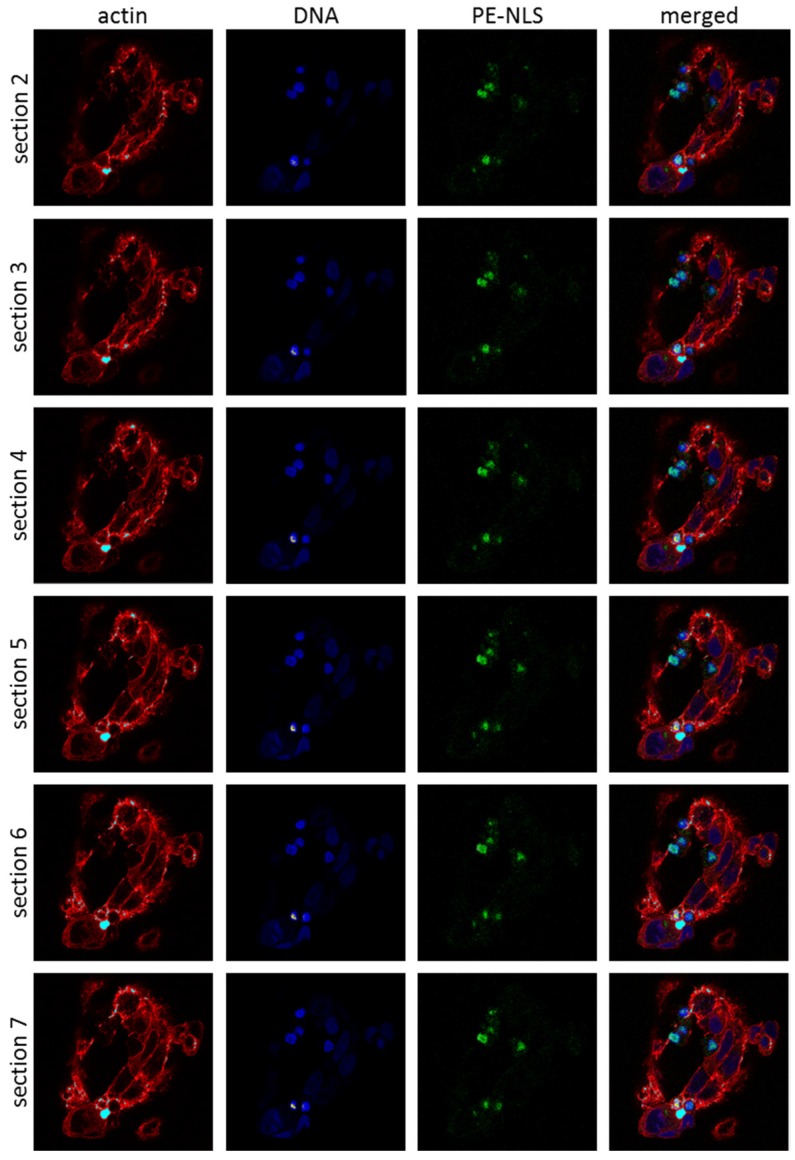
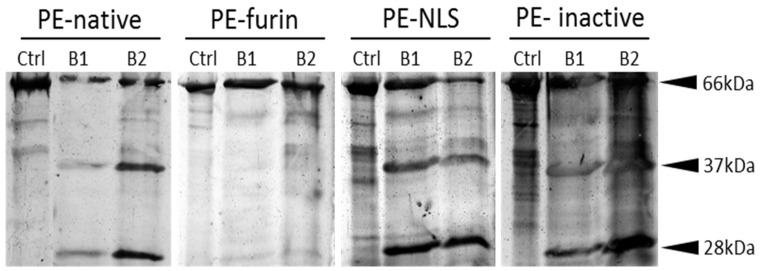
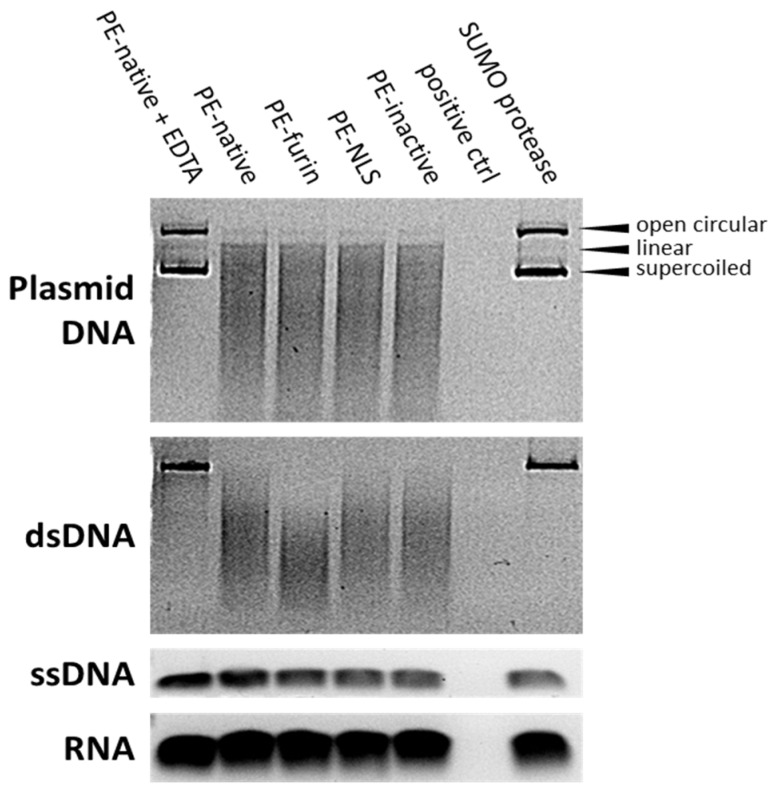
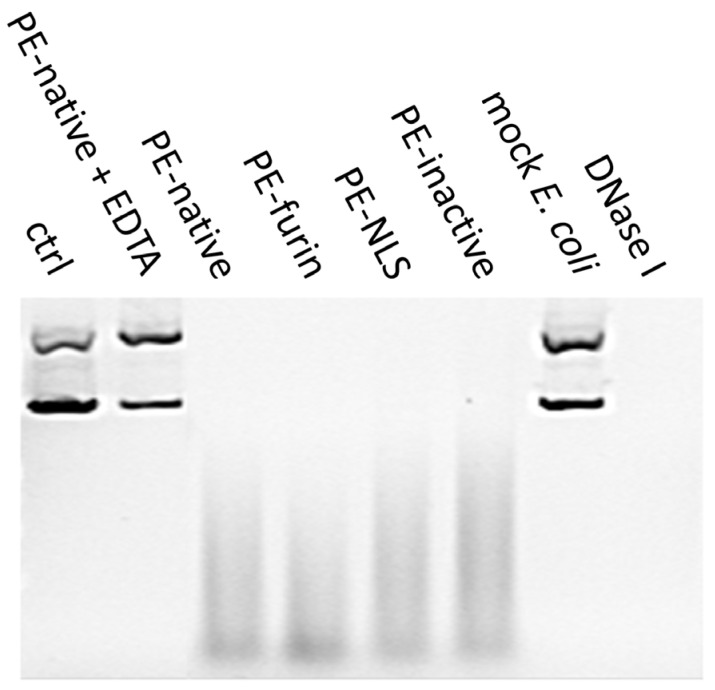
Exotoxin A (PE) from is a bacterial ADP-ribosyltransferase, which can permanently inhibit translation in the attacked cells. Consequently, this toxin is frequently used in immunotoxins for targeted cancer therapies. In this study, we propose a novel modification to PE by incorporating the NLS sequence at its -terminus, to make it a selective agent against fast-proliferating cancer cells, as a nucleus-accumulated toxin should be separated from its natural substrate (eEF2) in slowly dividing cells. Here, we report the cytotoxic activity and selected biochemical properties of newly designed PE mutein using two cellular models: A549 and HepG2. We also present a newly developed protocol for efficient purification of recombinant PE and its muteins with very high purity and activity. We found that furin cleavage is not critical for the activity of PE in the analyzed cell lines. Surprisingly, we observed increased toxicity of the toxin accumulated in the nucleus. This might be explained by unexpected nuclease activity of PE and its potential ability to cleave chromosomal DNA, which seems to be a putative alternative intoxication mechanism. Further experimental investigations should address this newly detected activity to identify catalytic residues and elucidate the molecular mechanism responsible for this action.
来自[具体来源未提及]的外毒素A(PE)是一种细菌ADP核糖基转移酶,它能永久性抑制被攻击细胞中的翻译过程。因此,这种毒素常用于靶向癌症治疗的免疫毒素中。在本研究中,我们提出了一种对PE的新型修饰方法,即在其N端掺入核定位信号(NLS)序列,使其成为针对快速增殖癌细胞的选择性药物,因为细胞核积累的毒素在缓慢分裂的细胞中应与其天然底物(延伸因子2,eEF2)分离。在此,我们使用两种细胞模型(A549和HepG2)报告了新设计的PE突变体的细胞毒性活性和选定的生化特性。我们还展示了一种新开发的方案,用于高效纯化具有非常高纯度和活性的重组PE及其突变体。我们发现弗林蛋白酶切割对所分析细胞系中PE的活性并不关键。令人惊讶的是,我们观察到细胞核中积累的毒素毒性增加。这可能是由于PE意外的核酸酶活性及其潜在的切割染色体DNA的能力所致,这似乎是一种假定的替代中毒机制。进一步的实验研究应针对这种新检测到的活性,以确定催化残基并阐明负责此作用的分子机制。