Cattaneo A, Cattane N, Begni V, Pariante C M, Riva M A
Biological Psychiatry Unit, IRCCS Fatebenefratelli San Giovanni di Dio, Brescia, Italy.
Department of Psychological Medicine, Stress, Psychiatry and Immunology Laboratory, Institute of Psychiatry, King's College London, London, UK.
Transl Psychiatry. 2016 Nov 22;6(11):e958. doi: 10.1038/tp.2016.214.
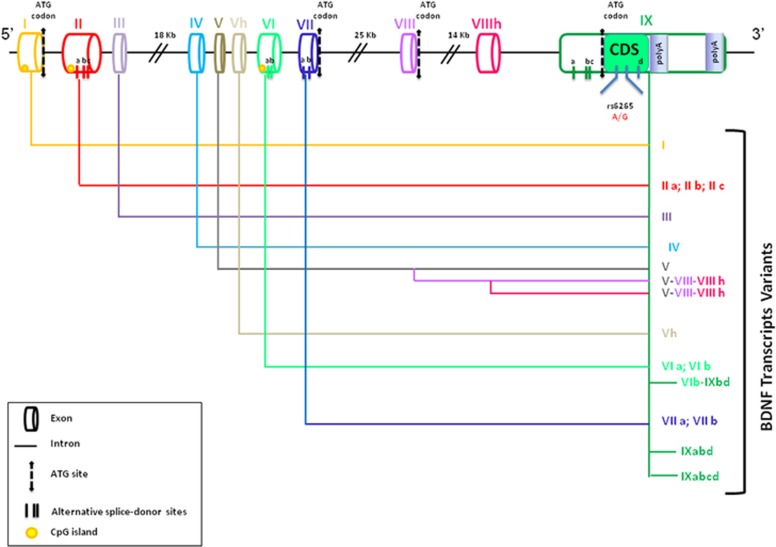
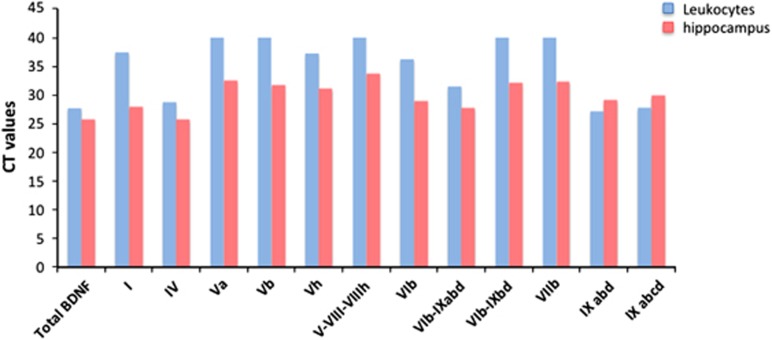
Brain-derived neurotrophic factor (BDNF) regulates the survival and growth of neurons, and influences synaptic efficiency and plasticity. The human BDNF gene consists of 11 exons, and distinct BDNF transcripts are produced through the use of alternative promoters and splicing events. The majority of the BDNF transcripts can be detected not only in the brain but also in the blood cells, although no study has yet investigated the differential expression of BDNF transcripts at the peripheral level. This review provides a description of the human BDNF gene structure as well as a summary of clinical and preclinical evidence supporting the role of BDNF in the pathogenesis of psychiatric disorders. We will discuss several mechanisms as possibly underlying BDNF modulation, including epigenetic mechanisms. We will also discuss the potential use of peripheral BDNF as a biomarker for psychiatric disorders, focusing on the factors that can influence BDNF gene expression and protein levels. Within this context, we have also characterized, for we believe the first time, the expression of BDNF transcripts in the blood, with the aim to provide novel insights into the molecular mechanisms and signaling that may regulate peripheral BDNF gene expression levels.
脑源性神经营养因子(BDNF)调节神经元的存活和生长,并影响突触效率和可塑性。人类BDNF基因由11个外显子组成,通过使用可变启动子和剪接事件产生不同的BDNF转录本。大多数BDNF转录本不仅可以在大脑中检测到,也可以在血细胞中检测到,尽管尚未有研究在外周水平上调查BDNF转录本的差异表达。本综述描述了人类BDNF基因结构,并总结了支持BDNF在精神疾病发病机制中作用的临床和临床前证据。我们将讨论几种可能作为BDNF调节基础的机制,包括表观遗传机制。我们还将讨论外周BDNF作为精神疾病生物标志物的潜在用途,重点关注可能影响BDNF基因表达和蛋白水平的因素。在此背景下,我们还首次对血液中BDNF转录本的表达进行了表征,旨在为可能调节外周BDNF基因表达水平的分子机制和信号传导提供新的见解。