Sung Iel-Yong, Son Han-Na, Ullah Imran, Bharti Dinesh, Park Ju-Mi, Cho Yeong-Cheol, Byun June-Ho, Kang Young-Hoon, Sung Su-Jin, Kim Jong-Woo, Rho Gyu-Jin, Park Bong-Wook
Department of Oral and Maxillofacial Surgery, College of Medicine, Ulsan University, Ulsan, Republic of Korea.
Department of Theriogenology and Biotechnology, College of Veterinary Medicine and Research Institute of Life Science, Gyeongsang National University, Jinju, Republic of Korea.
Int J Med Sci. 2016 Oct 18;13(11):841-852. doi: 10.7150/ijms.16573. eCollection 2016.
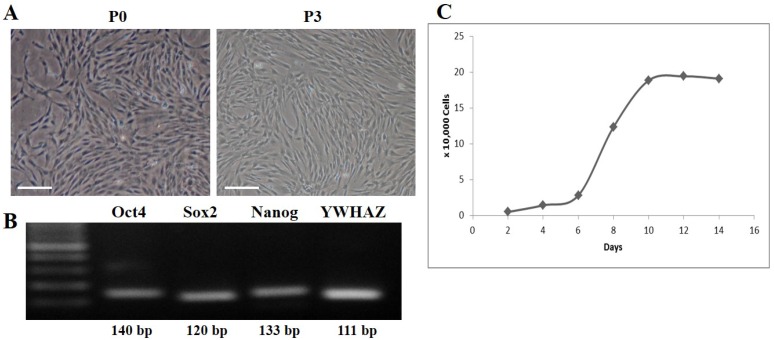
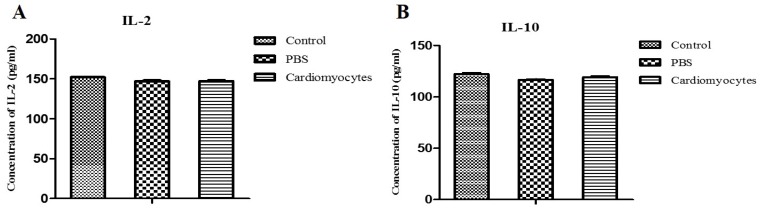
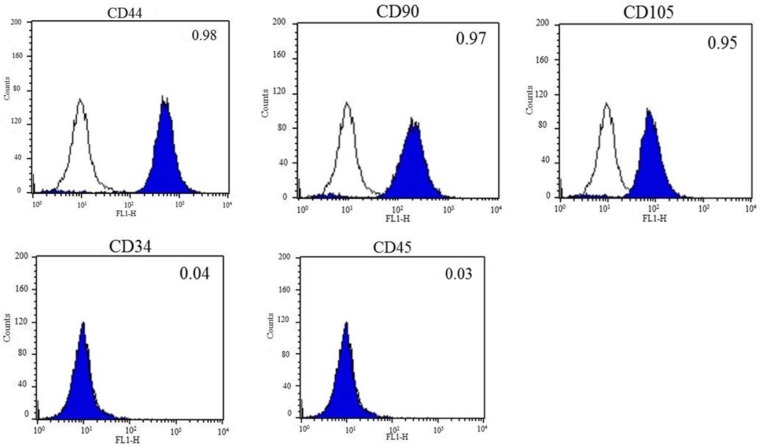
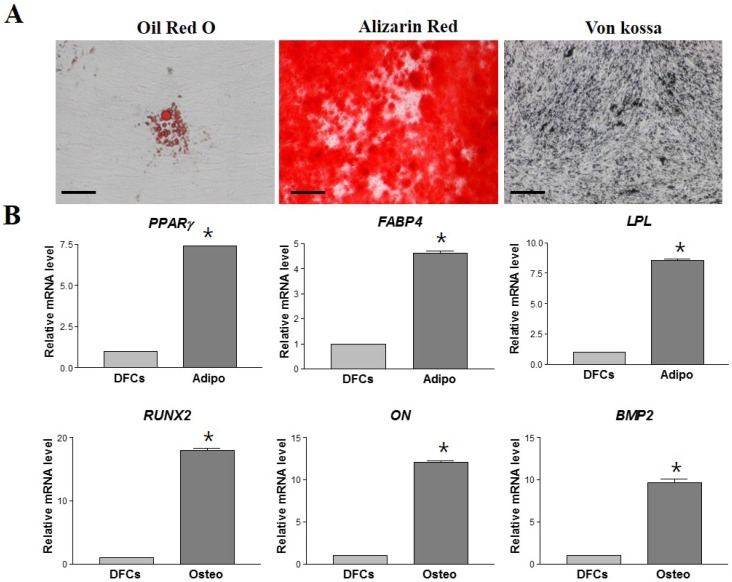
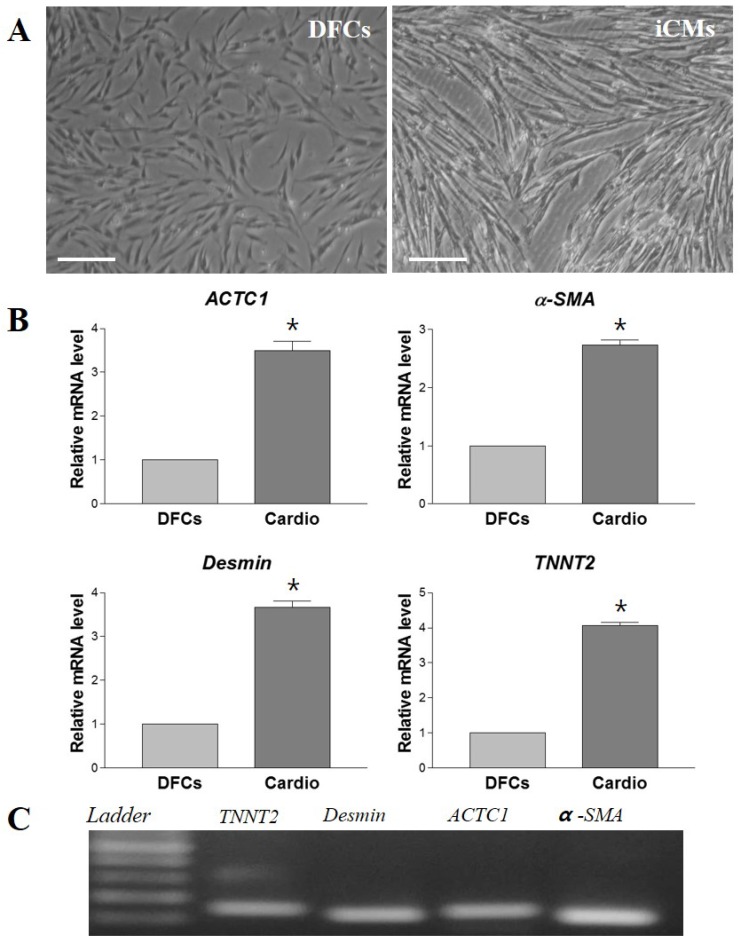
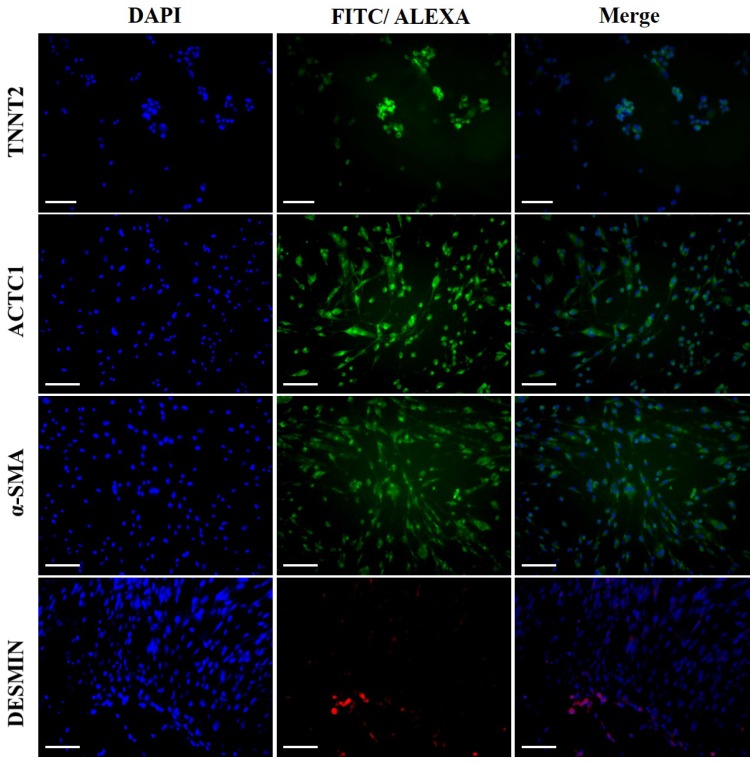
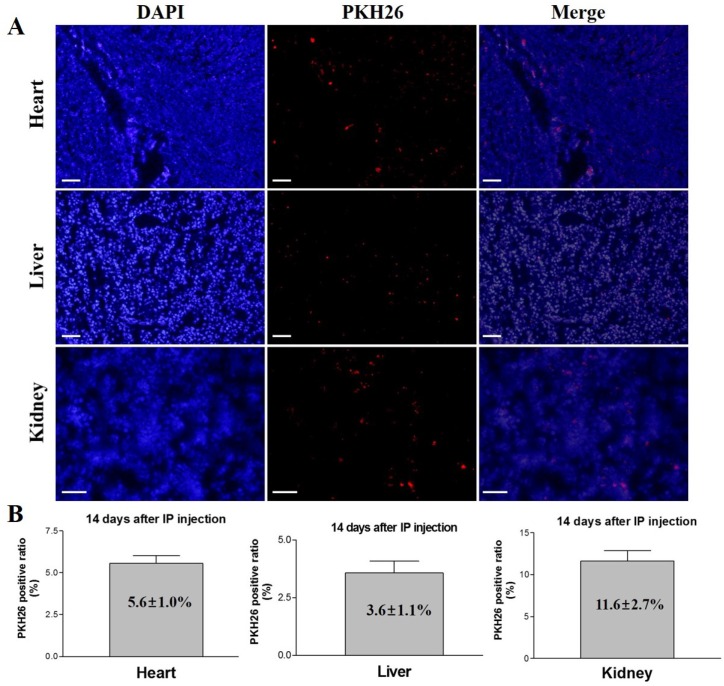
The purpose of the present study was to investigate the cardiomyogenic differentiation potential of human dental follicle-derived stem cells (DFCs) under the influence of suberoylanilide hydroxamic acid (SAHA), a member of the histone deacetylase inhibitor family, and analyze the homing capacity of induced cardiomyocytes (iCMs) when transplanted systemically. DFCs from extracted wisdom teeth showed mesenchymal stem cell (MSC) characteristics such as plate adherent growing, expression of MSC markers (CD44, CD90, and CD105), and mesenchymal lineage-specific differentiation potential. Adding SAHA to the culture medium induced the successful differentiation of DFCs into cardiomyocytes. These iCMs expressed cardiomyogenic markers, including alpha-smooth muscle actin (α-SMA), cardiac muscle troponin T (TNNT2), Desmin, and cardiac muscle alpha actin (ACTC1) at both the mRNA and protein level. For the assessment of homing capacity, PKH26 labeled iCMs were intraperitoneally injected (1×10 cells in 100 µL of PBS) into the experimental mice, and the ratios of PKH26 positive cells to the total number of injected cells, in multiple organs were determined. The calculated homing ratios, 14 days after systemic cell transplantation, were 5.6 ± 1.0%, 3.6 ± 1.1%, and 11.6 ± 2.7% in heart, liver, and kidney respectively. There was no difference in the serum levels of interleukin-2 and interleukin-10 at 14 days after transplantation, between the experimental (iCM injected) and control (no injection or PBS injection) groups. These results demonstrate that DFCs can be an excellent source for cardiomyocyte differentiation and regeneration. Moreover, the iCMs can be delivered into heart muscle via systemic administration without eliciting inflammatory or immune response. This can serve as the pilot study for further investigations into the cardiomyogenic differentiation potential of DFCs under the influence of SAHA and the homing capacity of the iCMs into the heart muscle, when injected systemically.
本研究的目的是探讨在组蛋白去乙酰化酶抑制剂家族成员辛二酰苯胺异羟肟酸(SAHA)的影响下,人牙囊来源干细胞(DFCs)的心肌生成分化潜能,并分析诱导心肌细胞(iCMs)全身移植后的归巢能力。从拔除的智齿中获取的DFCs表现出间充质干细胞(MSC)的特征,如贴壁生长、MSC标志物(CD44、CD90和CD105)的表达以及间充质谱系特异性分化潜能。向培养基中添加SAHA可成功诱导DFCs分化为心肌细胞。这些iCMs在mRNA和蛋白质水平均表达心肌生成标志物,包括α-平滑肌肌动蛋白(α-SMA)、心肌肌钙蛋白T(TNNT2)、结蛋白和心肌α-肌动蛋白(ACTC1)。为了评估归巢能力,将PKH26标记的iCMs(1×10个细胞溶于100 μL PBS中)腹腔注射到实验小鼠体内,并测定多个器官中PKH26阳性细胞与注射细胞总数的比例。全身细胞移植14天后,计算得到的心脏、肝脏和肾脏的归巢率分别为5.6±1.0%、3.6±1.1%和11.6±2.7%。移植后14天,实验组(注射iCMs)和对照组(未注射或注射PBS)之间白细胞介素-2和白细胞介素-10的血清水平没有差异。这些结果表明,DFCs可以成为心肌细胞分化和再生的优良来源。此外,iCMs可以通过全身给药输送到心肌中,而不会引发炎症或免疫反应。这可以作为进一步研究SAHA影响下DFCs的心肌生成分化潜能以及全身注射时iCMs向心肌归巢能力的初步研究。