Khan Tauseef A, Sievenpiper John L
Department of Nutritional Sciences, Faculty of Medicine, University of Toronto, Toronto, ON, Canada.
Toronto 3D Knowledge Synthesis and Clinical Trials Unit, Clinical Nutrition and Risk Factor Modification Centre, St. Michael's Hospital, Toronto, ON, Canada.
Eur J Nutr. 2016 Nov;55(Suppl 2):25-43. doi: 10.1007/s00394-016-1345-3. Epub 2016 Nov 30.
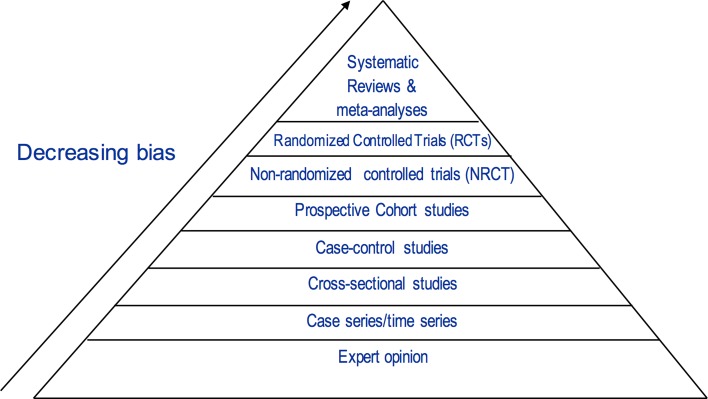
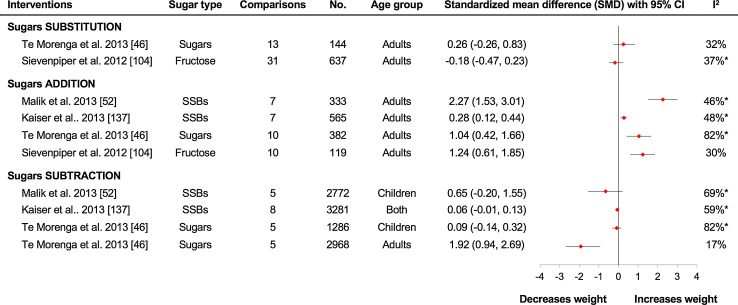
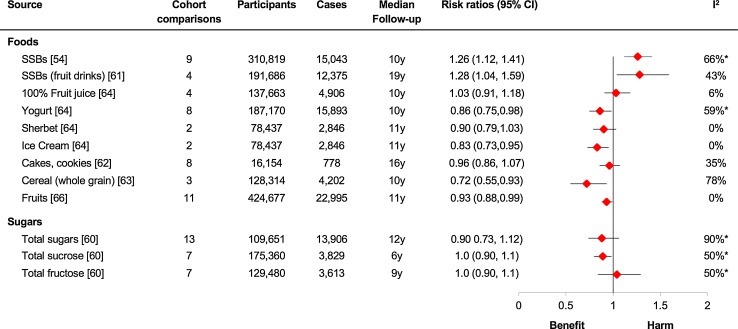
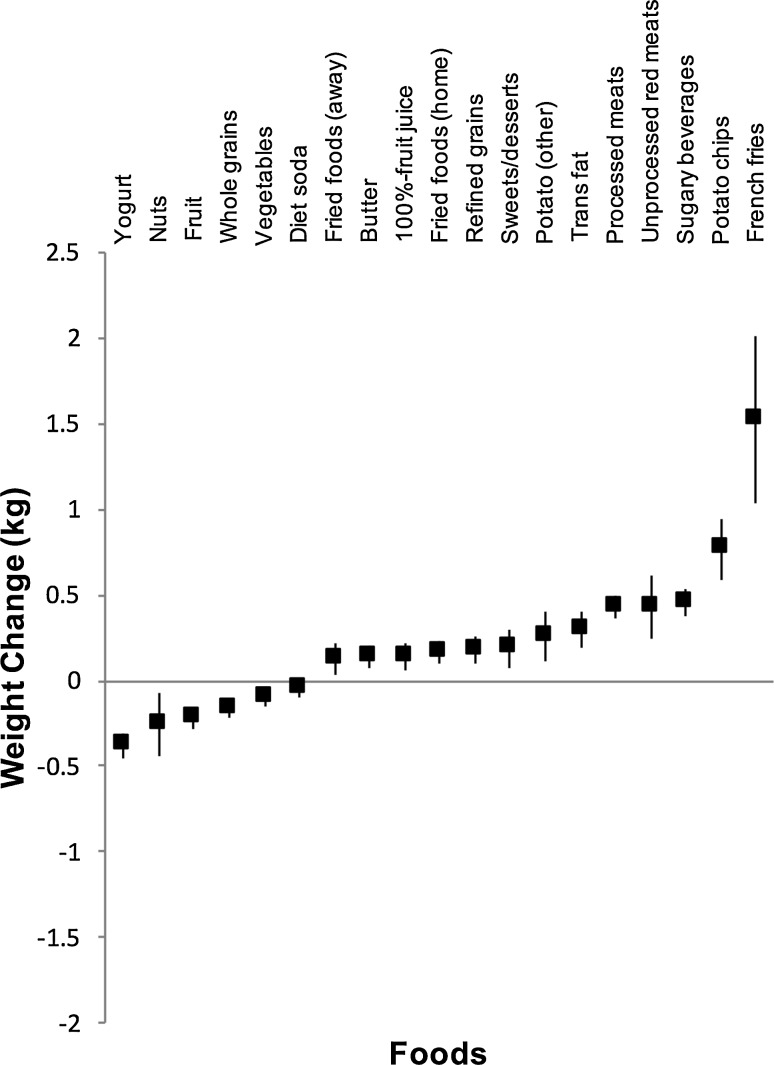
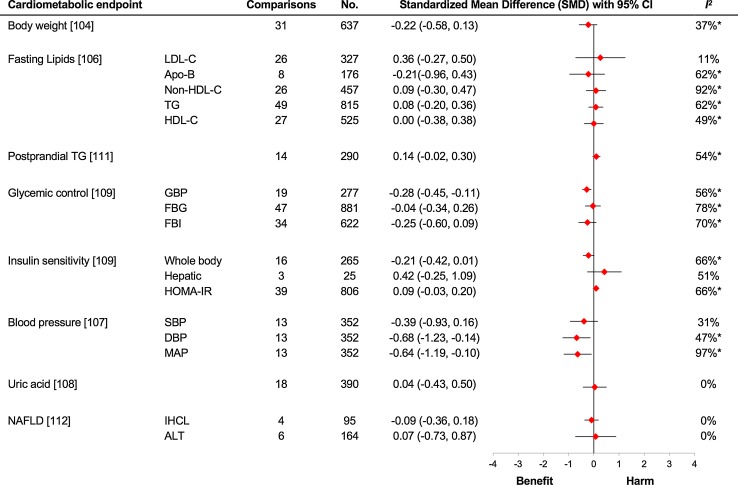
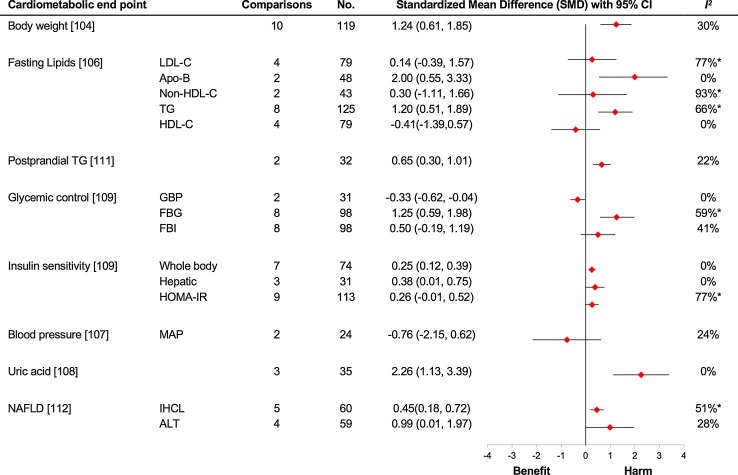
Fructose-containing sugars are a focus of attention as a public health target for their putative role in obesity and cardiometabolic disease including diabetes. The fructose moiety is singled out to be the primary driver for the harms of sugars due to its unique endocrine signal and pathophysiological role. However, this is only supported by ecological studies, animal models of overfeeding and select human intervention studies with supraphysiological doses or lack of control for energy. The highest level of evidence from systematic reviews and meta-analyses of controlled trials has not shown that fructose-containing sugars behave any differently from other forms of digestible carbohydrates. Fructose-containing sugars can only lead to weight gain and other unintended harms on cardiometabolic risk factors insofar as the excess calories they provide. Prospective cohort studies, which provide the strongest observational evidence, have shown an association between fructose-containing sugars and cardiometabolic risk including weight gain, cardiovascular disease outcomes and diabetes only when restricted to sugar-sweetened beverages and not for sugars from other sources. In fact, sugar-sweetened beverages are a marker of an unhealthy lifestyle and their drinkers consume more calories, exercise less, smoke more and have a poor dietary pattern. The potential for overconsumption of sugars in the form of sugary foods and drinks makes targeting sugars, as a source of excess calories, a prudent strategy. However, sugar content should not be the sole determinant of a healthy diet. There are many other factors in the diet-some providing excess calories while others provide beneficial nutrients. Rather than just focusing on one energy source, we should consider the whole diet for health benefits.
含果糖的糖类作为公共卫生目标备受关注,因为它们被认为在肥胖及包括糖尿病在内的心血管代谢疾病中发挥作用。果糖部分因其独特的内分泌信号和病理生理作用,被视为糖类危害的主要驱动因素。然而,这仅得到生态学研究、过度喂养动物模型以及一些使用超生理剂量或缺乏能量控制的人体干预研究的支持。系统评价和对照试验的荟萃分析提供的最高证据水平并未表明含果糖的糖类与其他可消化碳水化合物的行为有任何不同。含果糖的糖类只有在提供过多热量的情况下,才会导致体重增加以及对心血管代谢风险因素产生其他意外危害。前瞻性队列研究提供了最有力的观察证据,结果显示,只有在仅限于含糖饮料时,含果糖的糖类才与包括体重增加、心血管疾病结局和糖尿病在内的心血管代谢风险相关,而其他来源的糖类则不然。事实上,含糖饮料是不健康生活方式的一个标志,饮用者摄入更多热量、运动更少、吸烟更多且饮食模式不佳。以含糖食品和饮料形式过度摄入糖类的可能性,使得将糖类作为多余热量的来源作为一个审慎的策略。然而,糖含量不应是健康饮食的唯一决定因素。饮食中还有许多其他因素——一些提供过多热量,而另一些则提供有益营养。我们不应只关注一种能量来源,而应考虑整个饮食对健康的益处。