Delitto Daniel, Judge Sarah M, Delitto Andrea E, Nosacka Rachel L, Rocha Fernanda G, DiVita Bayli B, Gerber Michael H, George Thomas J, Behrns Kevin E, Hughes Steven J, Wallet Shannon M, Judge Andrew R, Trevino Jose G
Department of Surgery, College of Medicine, University of Florida Health Science Center, Gainesville, FL 32610, USA.
Department of Physical Therapy, University of Florida Health Science Center, Gainesville, FL 32610, USA.
Oncotarget. 2017 Jan 3;8(1):1177-1189. doi: 10.18632/oncotarget.13593.
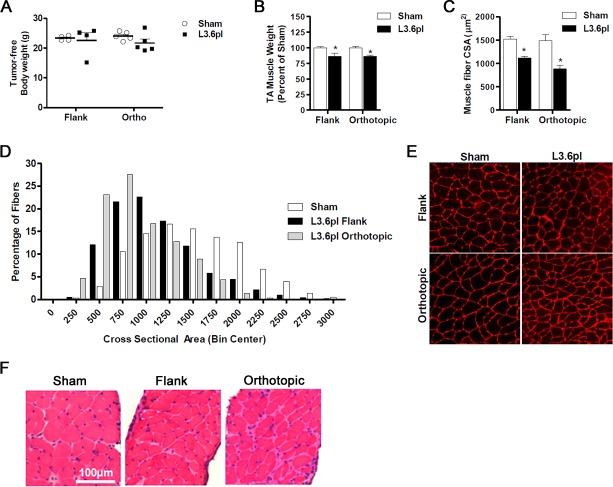
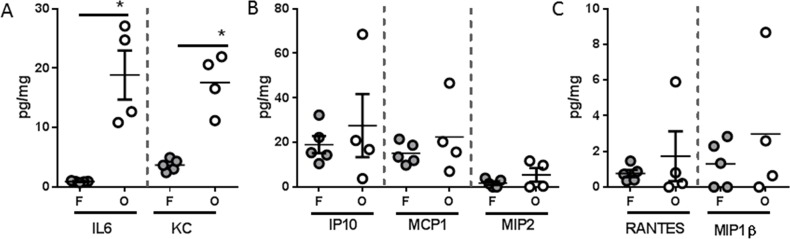
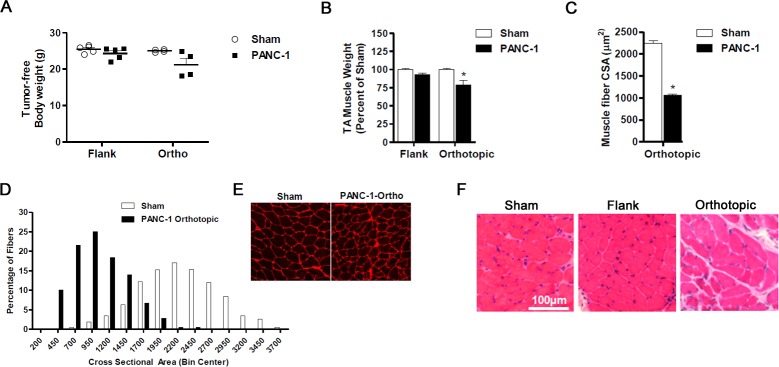
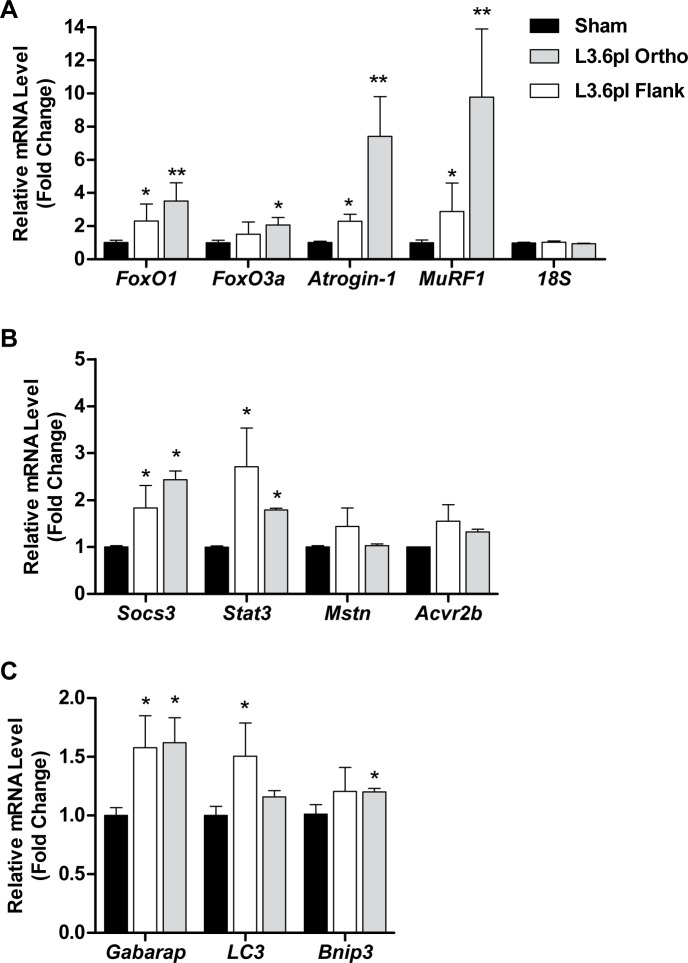
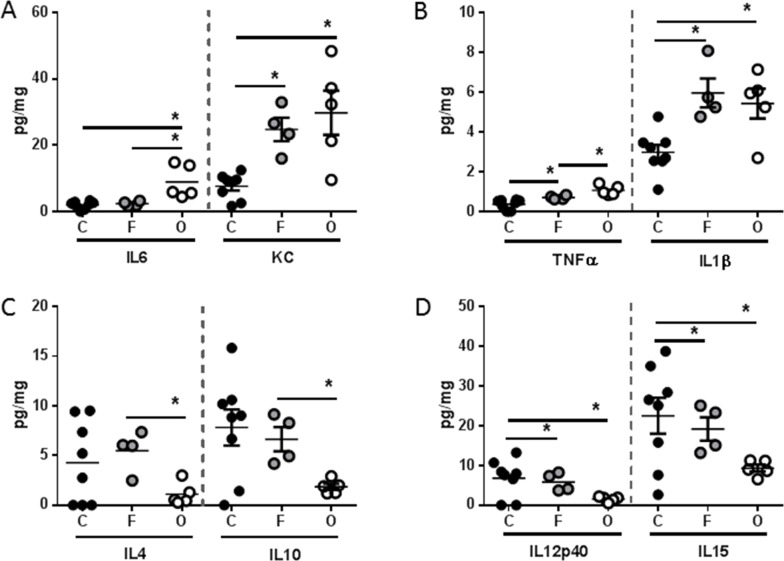
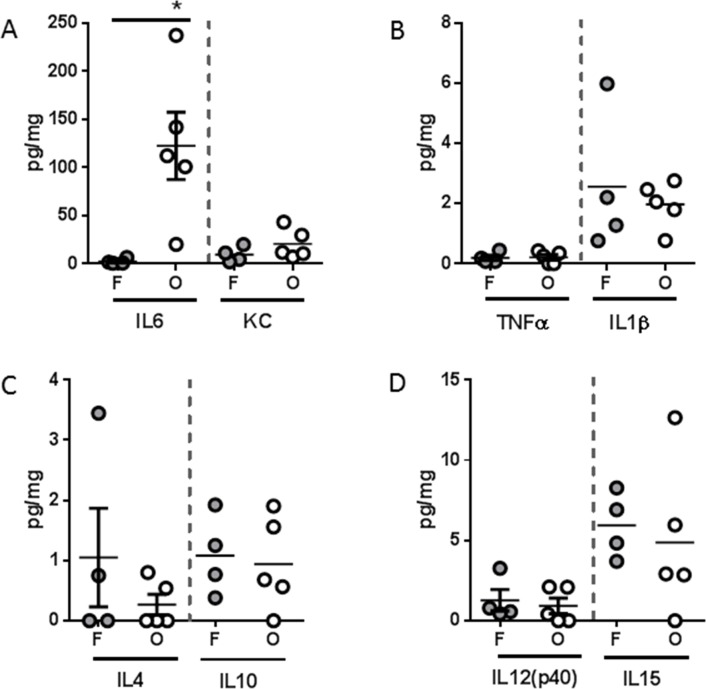
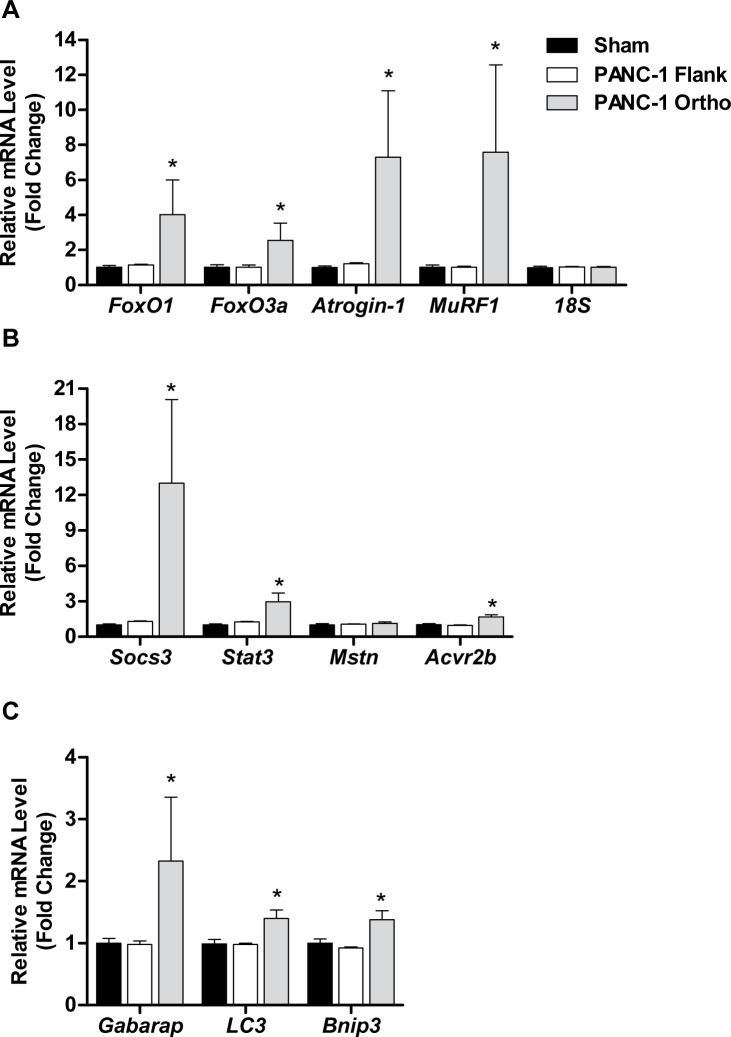
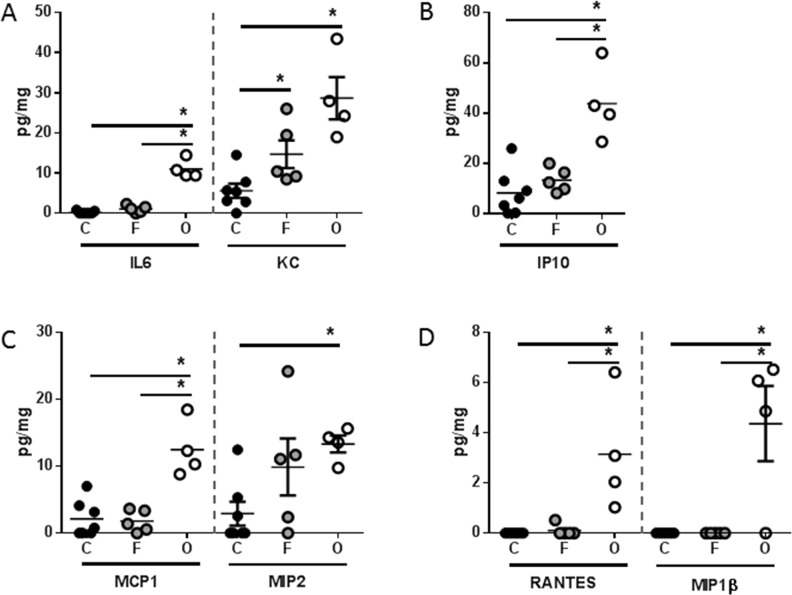
Cancer cachexia represents a debilitating syndrome that diminishes quality of life and augments the toxicities of conventional treatments. Cancer cachexia is particularly debilitating in patients with pancreatic cancer (PC). Mechanisms responsible for cancer cachexia are under investigation and are largely derived from observations in syngeneic murine models of cancer which are limited in PC. We evaluate the effect of human PC cells on both muscle wasting and the systemic inflammatory milieu potentially contributing to PC-associated cachexia. Specifically, human PC xenografts were generated by implantation of pancreatic cancer cells, L3.6pl and PANC-1, either in the flank or orthotopically within the pancreas. Mice bearing orthotopic xenografts demonstrated significant muscle wasting and atrophy-associated gene expression changes compared to controls. Further, despite the absence of adaptive immunity, splenic tissue from orthotopically engrafted mice demonstrated elevations in several pro-inflammatory cytokines associated with cancer cachexia, including TNFα, IL1β, IL6 and KC (murine IL8 homologue), when compared to controls. Therefore, data presented here support further investigation into the complexity of cancer cachexia in PC to identify potential targets for this debilitating syndrome.
癌症恶病质是一种使人衰弱的综合征,它会降低生活质量并增加传统治疗的毒性。癌症恶病质在胰腺癌(PC)患者中尤其使人衰弱。导致癌症恶病质的机制正在研究中,并且很大程度上来源于对癌症同基因小鼠模型的观察,而这些模型在胰腺癌研究中存在局限性。我们评估了人胰腺癌细胞对肌肉消耗以及可能导致胰腺癌相关恶病质的全身炎症环境的影响。具体而言,通过将胰腺癌细胞L3.6pl和PANC-1植入小鼠侧腹或胰腺原位来生成人胰腺癌异种移植模型。与对照组相比,携带原位异种移植瘤的小鼠表现出明显的肌肉消耗和与萎缩相关的基因表达变化。此外,尽管缺乏适应性免疫,但与对照组相比,原位移植小鼠的脾脏组织中几种与癌症恶病质相关的促炎细胞因子水平升高,包括TNFα、IL1β、IL6和KC(小鼠IL8同源物)。因此,本文提供的数据支持进一步研究胰腺癌中癌症恶病质的复杂性,以确定针对这种使人衰弱综合征的潜在靶点。